Hemp terpenes are the aromatic molecules that define the smell and flavor of CBD flowers and are believed to modulate the effects of cannabinoids through what scientific literature refers to as the entourage effect. Among the most documented are myrcene, limonene, and β-caryophyllene, three compounds whose properties have been studied in the laboratory, although their clinical applications are still being evaluated. Understanding these molecules allows you to read a Certificate of Analysis (COA) with discernment, choose a product suited to a specific purpose, and avoid certain risks associated with uninformed use.
Immediate points of attention:
- Hemp aromas vary depending on genetics and growing conditions; two batches of the same variety may have different terpene profiles.
- Vaporization at low temperatures (below 185°C) preserves volatile terpenes better than combustion.
- Always check the COA of a product: terpene profile, THC level less than 0.3% and absence of residual solvents.
Key points
Hemp terpenes define the aromatic profile of a CBD product and potentially contribute to the entourage effect, but their clinical action in humans remains to be confirmed by robust controlled trials.
| Point | Details |
|---|---|
| Role of terpenes | Aromatic molecules in hemp that modulate the effects of cannabinoids via the entourage effect. |
| Priority terpenes | Myrcene (relaxation), limonene (mood), linalool (anxiety), β-caryophyllene (preclinical anti-inflammatory). |
| COA Verification | Check terpene profile, THC less than 0.3%, residual solvents and laboratory accreditation. |
| Essential precautions | Consult a doctor if you are taking medication; avoid concentrated products if you are pregnant or have children. |
| Thefrenchhempempire | Offers CBD flowers and full spectrum vapes with detailed COAs, compliant with French regulations. |
Table of Contents
- What is a terpene and what is its role in hemp?
- The main terpenes in hemp: aromas, sources and reported effects
- The entourage effect: what does it mean in concrete terms?
- How do terpenes act on the body?
- Which product form best preserves hemp terpenes?
- Safety and precautions: what you need to know before using terpenes
- How to verify the quality of a CBD product in France: Certificate of Authenticity, traceability and legal compliance
- Choose a terpene profile according to your objectives
- What transparency about terpenes really reveals about a CBD product
- CBD products with full Certificates of Analysis (COA), available in France
- Sources
What is a terpene and what is its role in hemp?
Terpenes are volatile organic molecules built from repeating isoprene units (C₅H₈). They constitute the dominant aromatic fraction of essential oils and are abundant in hemp, where they are synthesized in the plant's trichomes alongside cannabinoids. According to a review published on PMC, terpenes form a large and diverse group of natural compounds with documented pharmacological properties in the laboratory, including antimicrobial, anti-inflammatory, and antioxidant effects, although many molecules remain poorly understood.
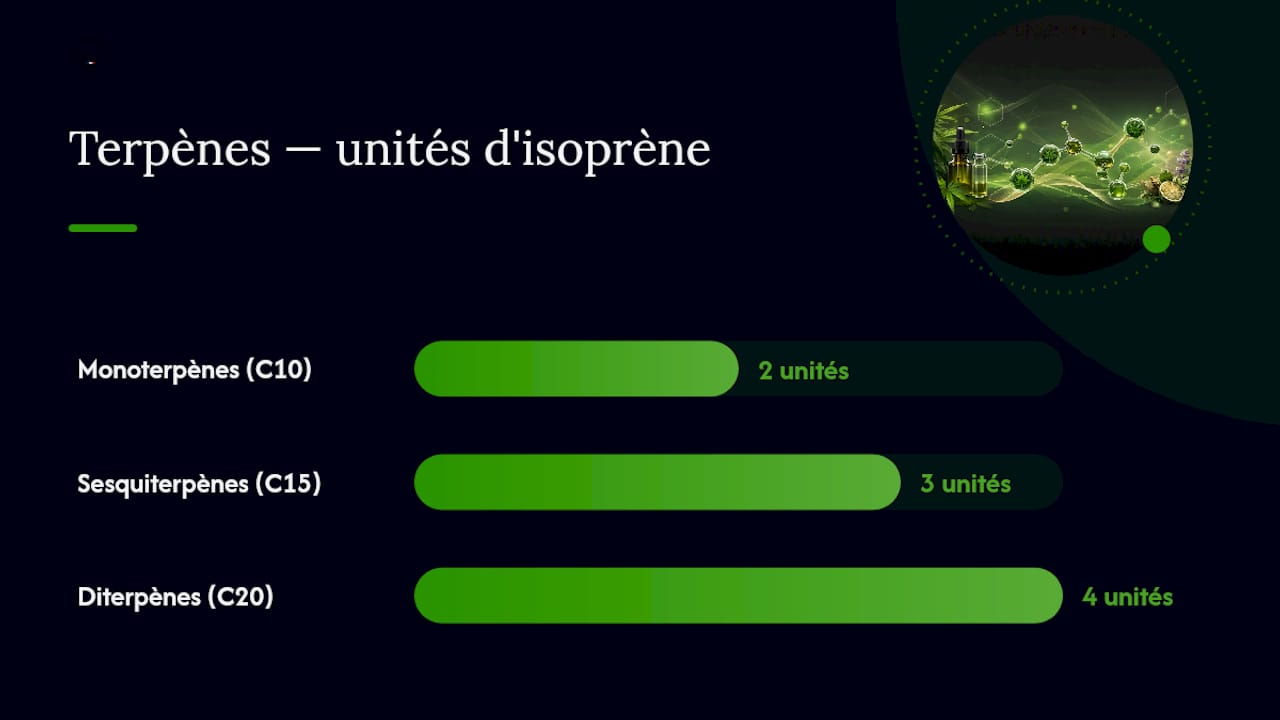
The classification is based on the number of isoprene units assembled:
- Monoterpenes (C₁₀) : two isoprene units, very volatile. Examples: limonene (citrus fruits), pinene (pine), terpinolene (floral-herbaceous).
- Sesquiterpenes (C₁₅) : three units, less volatile, often more heat-resistant. Examples: β-caryophyllene (spicy), humulene (earthy), myrcene (musk).
- Diterpenes (C₂₀) : four units, not very volatile, rarely present in large quantities in common extracts.
Ecologically, these compounds protect the plant against herbivores, pathogens, and UV stress. For the CBD product user, they determine the aromatic profile and potentially contribute to the overall product experience.
Pro tip: Terpenes degrade quickly when exposed to heat, light, and oxygen. Store your products in an airtight container, away from direct sunlight and at a stable room temperature to preserve their aromatic profile.
The main terpenes in hemp: aromas, sources and reported effects
The terpene profiles of hemp vary depending on genetics and cultivation methods, as shown by comparative analyses published on PubMed. Here are the seven most frequently identified terpenes in CBD flowers available on the French market.
Myrcene:
Earthy, musky, slightly fruity aroma. Found in hops, mango, and thyme. According to analytical studies documenting its prevalence in hemp, myrcene is often the dominant terpene in many varieties. Preclinical studies associate it with relaxing and sedative effects. Approximate evaporation temperature: around 167°C.
Limonene.
Fresh, lemony aroma. Abundant in citrus peels and certain resins. Preclinical studies suggest anxiolytic properties and an influence on mood. Suggested storage temperature: approximately 176°C.
Linalool.
Floral aroma, lavender. Found in lavender and coriander. Preclinical research reports potentially anxiolytic and sedative effects, with a presumed action on GABA receptors. Suggested storage temperature: approximately 198°C.
α-Pinene and β-Pinene.
Pine, herbaceous aroma. Found in conifers and rosemary. Preclinical studies suggest bronchodilator and anti-inflammatory properties. Suggested storage temperature: approximately 155°C.
β-Caryophyllene:
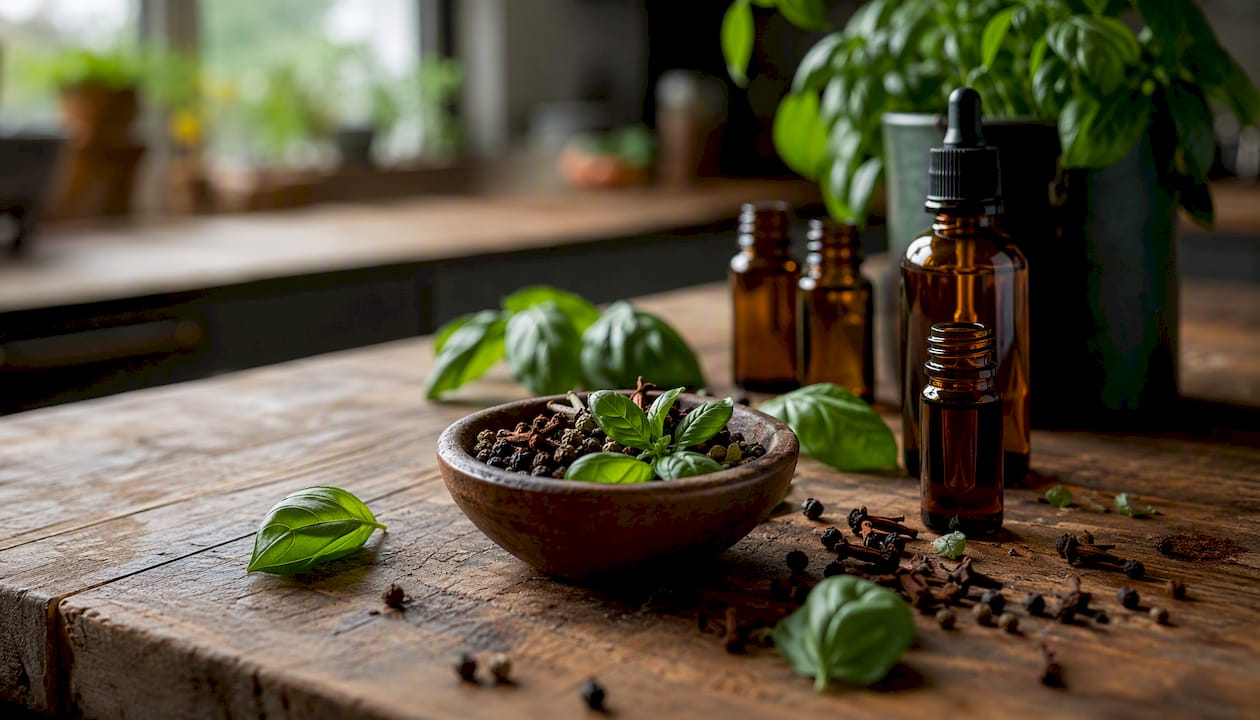
Spicy, peppery aroma. Found in black pepper, cloves, and basil. Unique terpene: Preclinical studies show it can activate the CB2 receptor, thus acting as a functional cannabinoidwith associated anti-inflammatory effects. Suggested temperature: approximately 130°C.
Humulene.
Earthy, woody, hoppy aroma. Found in hops and sage. Preclinical studies attribute anti-inflammatory and potential appetite-suppressant properties to it. Suggested serving temperature: approximately 106°C.
Terpinolene:
Floral, herbaceous, slightly fruity aroma. Found in nutmeg, cumin, and some pine trees. Less studied than the previous compounds; some preclinical data suggest mild sedative effects. Approximate temperature: around 186 °C.
| Terpene | Main aroma | Type of evidence available |
|---|---|---|
| Myrcene | Earthy, musky | Preclinical, analytical |
| Limonene | Lemon | Preclinical |
| Linalool | Floral, lavender | Preclinical |
| α/β-Pinene | Pine, herbaceous | Preclinical |
| β-Caryophyllene | Spicy, peppery | Preclinical, CB2 in vitro |
| Humulene | Earthy, wooded | Preclinical |
| Terpinolene | Floral, herbaceous | Preclinical limited |
Pro tip: The terpene percentages listed on a Certificate of Analysis (COA) reflect relative concentrations within the analyzed batch, not universal absolute values. Always read the COA in light of the analytical method used, ideally gas chromatography-mass spectrometry (GC-MS), as described in specialized analytical publications.
The entourage effect: what does it mean in concrete terms?
The entourage effect refers to the supposed synergy between cannabinoids (CBD, CBG, CBN), terpenes, and other phytochemicals in hemp, whose interaction is believed to produce an overall effect different from that of each molecule taken in isolation. This concept, discussed in clinical and professional medical cannabis journals, is biologically plausible, but controlled clinical evidence remains limited.
What literature argues for today:
- Preclinical studies and reviews show that terpenes can modulate the effect of cannabinoids, but most of the data comes from animal models or cell cultures.
- Randomized controlled clinical trials on the entourage effect in humans are still few in number, as highlighted in a review published on PubMed.
- An NCBI review devoted to the components of cannabis confirms that the hypothesis is biologically plausible, but calls for caution on clinical extrapolations.
Practical implications:
- A full spectrum product retains all the cannabinoids and terpenes naturally present in the plant, which maximizes the chances of the entourage effect according to current hypotheses.
- A broad spectrum product eliminates THC but retains other compounds, representing a compromise for people wishing to avoid any trace of THC.
- A CBD isolate contains only pure CBD, without terpenes or other cannabinoids. The entourage effect does not apply to this form.
How do terpenes act on the body?
The mechanisms of action of terpenes on the human body involve several pathways, some of which are better documented than others. β-Caryophyllene stands out for its ability to bind directly to the CB2 receptor of the endocannabinoid system : a property demonstrated in preclinical studies. Other terpenes are thought to act on neurotransmitter receptors such as serotonin (5-HT) or GABA, or to modulate the activity of liver enzymes involved in drug metabolism.
The main routes of administration and their impact on terpene absorption:
- Inhalation/vaporization : rapid absorption by the lungs, high bioavailability for volatile terpenes. The vaporization temperature is crucial.
- Ingestion (oils, capsules, herbal teas): slower absorption, hepatic passage, bioavailability varies depending on the pharmaceutical form.
- Topical application : local skin absorption, effects are mainly local, with no significant systemic absorption for most terpenes.
Note regarding temperature: The thermal stability of terpenes varies depending on their chemical structure. Monoterpenes such as limonene or pinene evaporate at relatively low temperatures (155–176 °C), while sesquiterpenes such as β-caryophyllene are more heat-resistant. Vaporizing above 210 °C risks degrading or destroying a large part of the terpene profile, reducing the aromatic and potentially functional value of the product.
Which product form best preserves hemp terpenes?
The form of the product directly determines the richness of the terpene profile you consume. Preservation and extraction properties influence the accuracy of the final profile.
- Dried CBD flowers (full spectrum) : the form richest in natural terpenes, provided they are dried slowly and stored in an airtight container away from light. Vaporizing at a low temperature (160–185 °C) is preferable to combustion to preserve the aromas.
- CBD oils extracted using supercritical CO₂ : Supercritical CO₂ extraction preserves the terpene profile better than conventional chemical solvents because it operates at moderate temperatures and leaves no residue. Full-spectrum or broad-spectrum oils obtained using this method retain a representative terpene fraction.
- CBD resins and hash : the terpene concentration depends on the manufacturing process. CBD resins obtained by dry sieving or cold water extraction tend to retain terpenes better than those produced by thermal processes.
- Vapes and 510 cartridges : Cartridges containing full-spectrum or broad-spectrum extract may retain some of the natural terpenes. Some manufacturers reintroduce isolated terpenes after extraction to reconstitute a flavor profile. Check the Certificate of Analysis (COA) to distinguish between the two approaches.
- CBD isolates : by definition, they are terpene-free. Some isolate-based products contain terpenes added later, which must be clearly stated on the label and the Certificate of Analysis (COA).
- Herbal teas and infusions : hot water (generally between 80°C and 100°C) partially extracts the water-soluble terpenes, but the most volatile compounds dissipate quickly. Bioavailability remains low via this route.
Pro tip: When preparing a hemp infusion, cover your container during maceration to limit the evaporation of volatile terpenes and better preserve the aromas.
Safety and precautions: what you need to know before using terpenes
Terpenes are active molecules, and their use is not without precautions. Several points deserve particular attention, especially for people undergoing medical treatment.
General precautions:
- Some terpenes can cause allergic skin or respiratory reactions, notably limonene and linalool, which are classified as potential allergens in European cosmetic regulations.
- Repeated inhalation of concentrated terpenes can irritate the respiratory tract, particularly in people with asthma or lung disease.
- Topically applied terpenes in high concentrations can cause skin irritation; appropriate dilution in a vegetable oil is recommended.
Drug interactions: Terpenes, like some cannabinoids, can modulate the activity of the liver enzymes cytochrome P450 (CYP450), which are involved in the metabolism of many medications. Potential interactions exist with anticoagulants (warfarin), antiepileptics, immunosuppressants, and some antidepressants. Anyone undergoing chronic treatment should consult a doctor before incorporating terpene-rich products into their routine.
At-risk populations: Pregnant or breastfeeding women, children, and individuals undergoing intensive medical treatment should refrain from using concentrated terpene-based products without prior medical advice. The effects of these molecules on fetal or neonatal development are not sufficiently documented to allow for an unqualified recommendation.
Pro tip: If you have any doubts about a drug interaction, consult your doctor or pharmacist and provide them with the Certificate of Analysis (COA) of the product in question. The list of identified terpenes and their concentrations will allow them to accurately assess the risk.
How to verify the quality of a CBD product in France: Certificate of Authenticity, traceability and legal compliance
In France, the sale of hemp-based products is regulated by European and national legislation, which sets a maximum THC content of 0.3% in finished products, in accordance with the legal framework applicable to CBD and hemp. The Certificate of Analysis (COA), issued by an independent laboratory, is the reference document for verifying a product's conformity.
COA checklist: what to check
- Terpene profile : list of identified terpenes and their relative concentrations, ideally obtained by GC-MS.
- Cannabinoid levels : CBD, CBG, CBN and, imperatively, THC less than 0.3%.
- Residual solvents : absence or traces below regulatory thresholds (particularly for extracts).
- Heavy metals : lead, cadmium, mercury, arsenic below the limits set by European food standards.
- Microbiology : absence of pathogens (salmonella, E. coli, molds beyond acceptable thresholds).
- Pesticides : residues below the European maximum residue limits (MRLs).
| COA parameter | Threshold or conformity criterion | Common analytical method |
|---|---|---|
| THC | Less than 0.3% | HPLC or GC-MS |
| Residual solvents | According to ICH Q3C standards | GC-FID or GC-MS |
| Heavy metals | According to EU regulations | ICP-MS |
| Terpene profile | Identification and quantification | GC-MS |
Pro tip: A reliable Certificate of Analysis (COA) includes the batch number of the analyzed product, the date of analysis, and the name and accreditation of the laboratory (ideally ISO 17025). An undated COA or one without a batch reference cannot guarantee that the analysis corresponds to the product you have.
Choose a terpene profile according to your objectives
The following associations are based on available preclinical data and traditionally reported uses.
-
For sleep and deep relaxation , choose strains rich in myrcene and linalool. These two terpenes have been associated with sedative effects in preclinical studies. CBD flowers with an earthy-floral profile often correspond to this type of chemotype.
-
Stress and anxiety management : Linalool and limonene are the most well-documented candidates for potential anxiety relief. A broad-spectrum product with a citrus-floral profile may be suitable.
-
Energy and concentration : the dominant limonene and α-pinene profiles are generally associated with more stimulating effects in reported uses. Best tested during the day.
-
Managing physical discomfort : β-caryophyllene, through its interaction with the CB2 receptor, is the most studied terpene for its preclinical anti-inflammatory properties. Spicy-woody profiles rich in caryophyllene and humulene deserve further exploration in this context.
-
General wellness use : A full-spectrum product with a balanced terpene profile (myrcene + caryophyllene + limonene) offers the broadest coverage according to the entourage effect hypothesis. Consult the CBD effects guide for more information on cannabinoid-terpene interactions.
Recommended approach: start with a low dose, note your feelings in an effects journal (time, dose, form of product, terpene profile), and adjust gradually.
Important reminder: The information presented here is general and educational in nature. It does not constitute medical advice. For any diagnosed condition or ongoing treatment, consult a healthcare professional before introducing hemp-based products into your routine.
What transparency about terpenes really reveals about a CBD product
The issue of terpenes in CBD products is often reduced to a marketing ploy, when in reality it's an indicator of manufacturing quality. A producer who publishes a Certificate of Analysis (COA) detailing the complete terpene profile, including concentrations per molecule and the analytical method used, demonstrates mastery of the extraction process and a commitment to traceability that goes far beyond mere regulatory compliance.
What strikes me is that the majority of consumers don't read COAs, not out of a lack of interest, but because no one has explained how to interpret them. That's the difference between a marketing promise and a verifiable guarantee.
The science of the entourage effect is still incomplete, and it would be inaccurate to present terpenes as established therapeutic solutions. However, this scientific uncertainty does not diminish the practical value of choosing a product with a documented terpene profile that aligns with the intended use. Gradual testing, observing one's own reactions, and relying on real analytical data remains the most rigorous approach available today.
CBD products with full Certificates of Analysis (COA), available in France
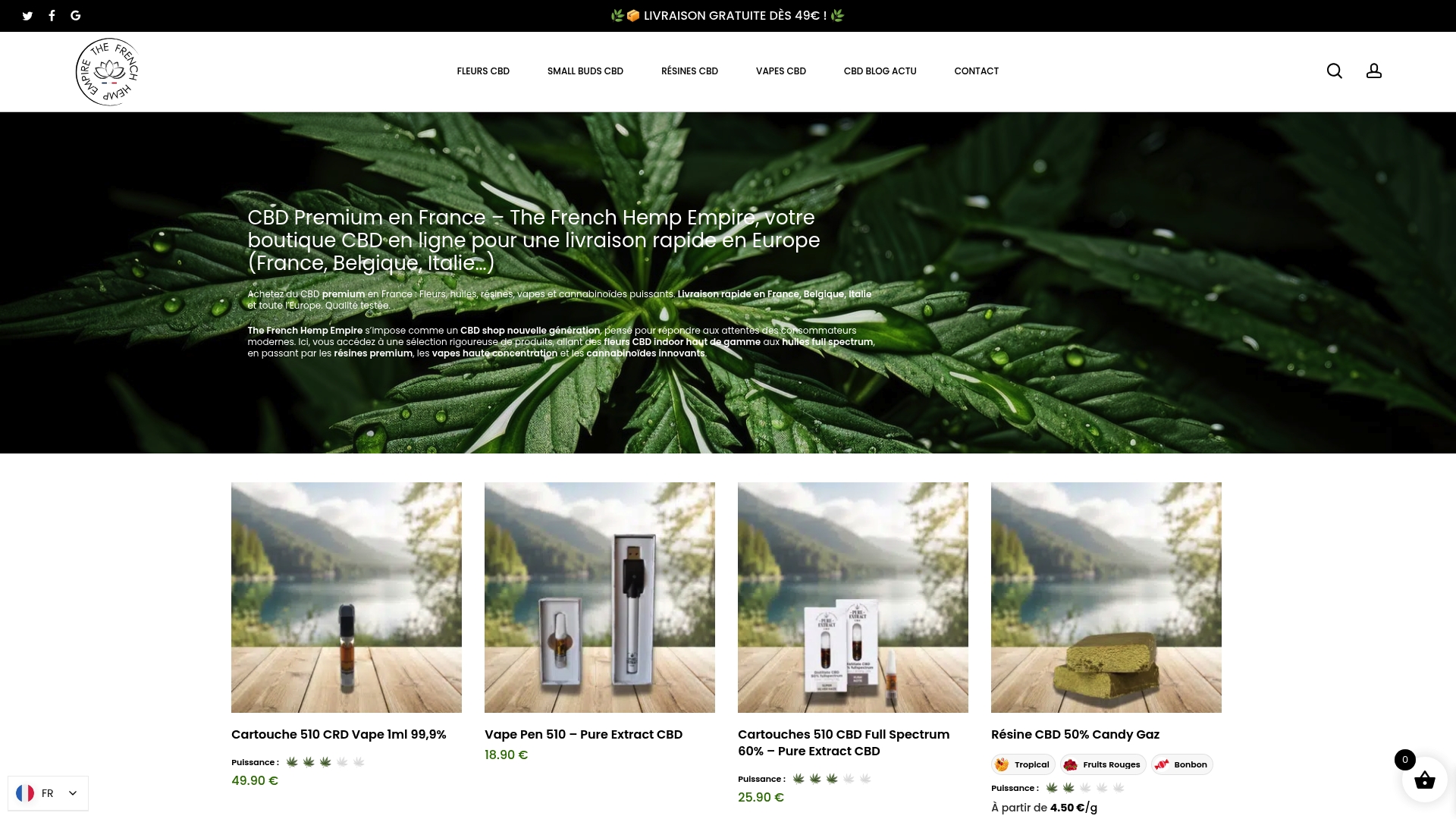
Thefrenchhempempire offers a range of premium full-spectrum and broad-spectrum CBD flowers, selected for the richness and consistency of their terpene profiles. The CBD vapes and 510 cartridges available on the site contain full-spectrum extracts whose composition can be verified via Certificates of Authenticity (COA). For those wishing to explore different product forms depending on their needs, the CBD flower selection guide allows for quick identification of the appropriate terpene profile. Visit the shop to access product sheets and their corresponding COAs.
Sources
- Therapeutic and Medicinal Uses of Terpenes – PMC
- NCBI article on terpene profiles
- NCBI review on cannabis components and entourage
- Cannabis Clinicians: THC tampering & entourage discussion
- ACS publication on terpene analysis
This article provides general information and is not a substitute for professional medical advice. Consult a qualified healthcare professional about your specific situation before taking any action based on this content.
Recommendation
- Hemp, cannabis, CBD and THC: differences, legality and explanations – The French Hemp Empire
- CBD Flowers: Types, Different Effects, and a 2026 Selection Guide
- CBD: Definition, effects, legality, and a complete guide to cannabidiol – The French Hemp Empire
- CBD resins and legal CBD hash – The French Hemp Empire