Buy premium CBD in France: Flowers, oils, resins, vapes, and potent cannabinoids. Fast delivery to France, Belgium, Italy , and all of Europe. Quality tested.
The French Hemp Empire has established itself as a new generation CBD shop, designed to meet the expectations of modern consumers. Here, you'll find a carefully curated selection of products, ranging from premium indoor CBD flowers and full-spectrum oilsto premium resins, high-concentration vapes , and innovative cannabinoids.
New CBD products
Discover the latest CBD products from The French Hemp Empire: premium CBD flowers, resins, hash, oils, vapes , and new cannabinoids. A regularly updated selection to bring you the best of hemp and CBD in France.
-
Flowers THV-N10 Gary Payton US 20%
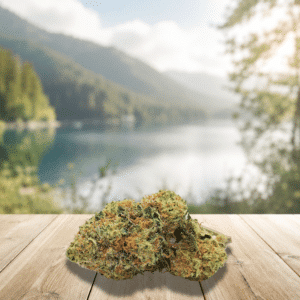 Selecting options: This product has several variations. Options can be selected on the product page.
 Power :Starting from 9.00 €/g
 -
Vape THCA 90% Rollz 1ml
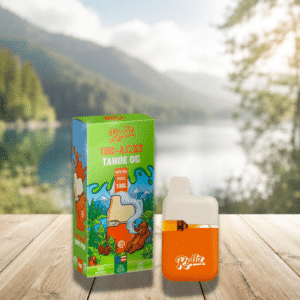 Selecting options: This product has several variations. Options can be selected on the product page.Power :39.90 €
 -
Vape T9HC 98% Rollz 1ml
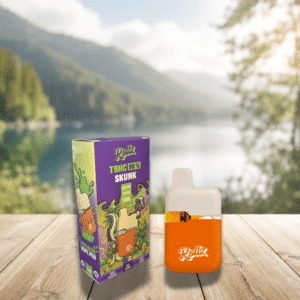 Selecting options: This product has several variations. Options can be selected on the product page.Power :39.90 €
 -
Flowers DC10 Cosmic Cookie US 20%
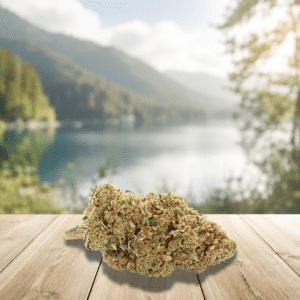 Selecting options: This product has several variations. Options can be selected on the product page.

-
DC10 Alien Bubble Resin 40%
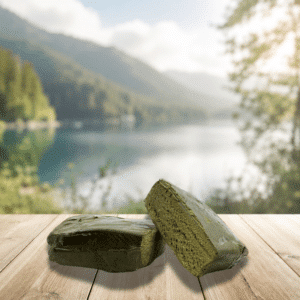 Selecting options: This product has several variations. Options can be selected on the product page.

 Power :Starting from 6.20 €/g
 -
Small Buds Green Crack 12% – Organic CBD grown in the Rhône-Alpes region
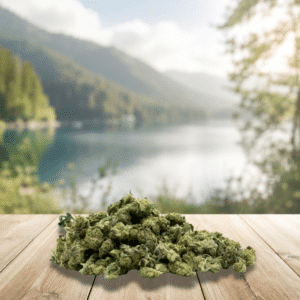 Selecting options: This product has several variations. Options can be selected on the product page.

-
DC10 Banana Dream Flowers 20%
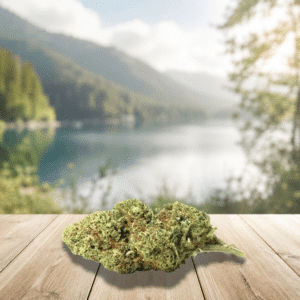 Selecting options: This product has several variations. Options can be selected on the product page.
 Power :Starting from 9.00 €/g
 -
Small Buds Runtz US 11% – Organic CBD grown in the Rhône-Alpes region
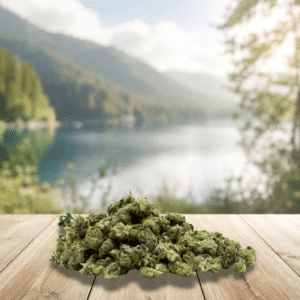 Selecting options: This product has several variations. Options can be selected on the product page.
 Power :From 0.99 €/g


THV-N10, DC10, THCX, 10-OH and THCA: discover the new cannabinoids
Explore the next generation of neo-cannabinoids selected by The French Hemp Empire: THV-N10, DC10, THCX, 10-OH, T9HC , and THCA. These innovative strains are available in flower, resin, vape, and extract form, offering new hemp experiences.
-
Flowers DC10 Jungle Cake 20%
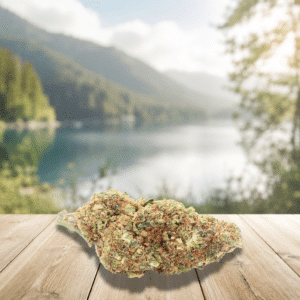 Selecting options: This product has several variations. Options can be selected on the product page.
 -
Flowers Guava Ice US THV-N10 20%
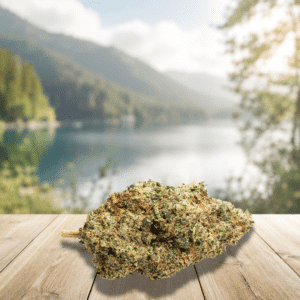 Selecting options: This product has several variations. Options can be selected on the product page.
 Power :Starting from 9.00 €/g
 -
DC10 Space Static Resin US 40%
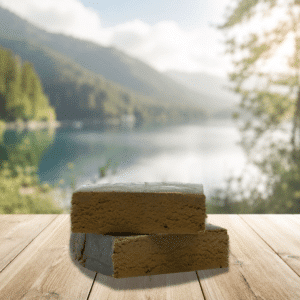 Selecting options: This product has several variations. Options can be selected on the product page.
 -
DC10 Blueberry Flowers 20%
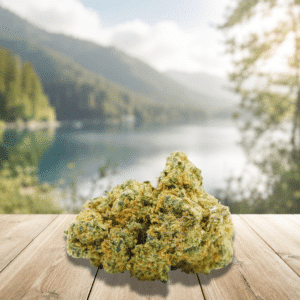 Selecting options: This product has several variations. Options can be selected on the product page.
-
Flowers THV-N10 Gorilla Glue 20%
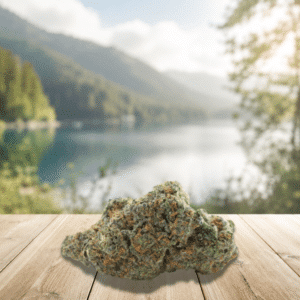 Selecting options: This product has several variations. Options can be selected on the product page.
 Power :Starting from 9.00 €/g
 -
Flowers THV-N10 Monster Cookie 20%
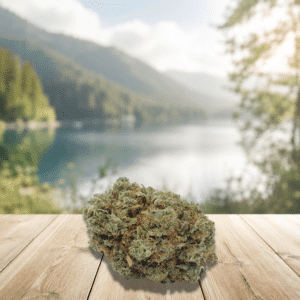 Selecting options: This product has several variations. Options can be selected on the product page.
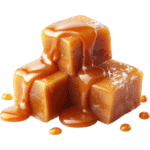 Power :Starting from 9.00 €/g
 -
THV-N10 Flowers 20% G13 US
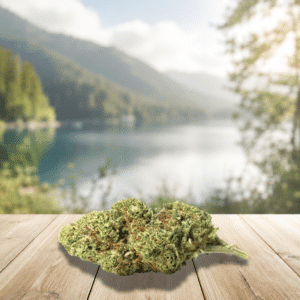 Selecting options: This product has several variations. Options can be selected on the product page.
 Power :Starting from 9.00 €/g
 -
DC10 Obama Runtz 40% Resin
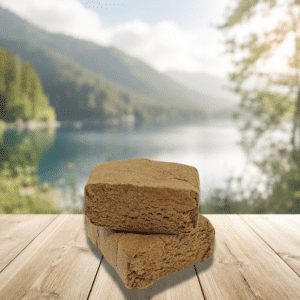 Selecting options: This product has several variations. Options can be selected on the product page.


Buy your CBD online with complete peace of mind: 100% legal products compliant with European regulations
Discover a premium selection of CBD products derived from hemp, rigorously controlled and compliant with current legislation in France and throughout the European Union. CBD flowers, CBD resins, CBD oils, CBD vapes, innovative cannabinoids , and much more: enjoy high-quality products, selected to meet your expectations for well-being, relaxation, and user experience.
At The French Hemp Empire, quality, traceability, and compliance are at the heart of our commitments. All our products are analyzed by independent laboratories to guarantee a THC content that complies with regulations and consistent quality throughout the year.
We guarantee fast and discreet delivery throughout Europe, with free delivery on orders over €49:
✔️ France • ✔️ Germany • ✔️ Austria • ✔️ Belgium • ✔️ Bulgaria • ✔️ Cyprus • ✔️ Croatia • ✔️ Denmark • ✔️ Spain • ✔️ Estonia • ✔️ Finland • ✔️ Greece • ✔️ Hungary • ✔️ Ireland • ✔️ Italy • ✔️ Latvia • ✔️ Lithuania • ✔️ Luxembourg • ✔️ Malta • ✔️ Netherlands • ✔️ Poland • ✔️ Portugal • ✔️ Czech Republic • ✔️ Romania • ✔️ Slovakia • ✔️ Slovenia • ✔️ Sweden • ✔️ Norway • ✔️ Switzerland • ✔️ United Kingdom • ✔️ Iceland • ✔️ Liechtenstein • ✔️ Monaco • ✔️ Andorra • ✔️ San Marino • ✔️ Vatican City • ✔️ Albania • ✔️ Bosnia and Herzegovina • ✔️ Kosovo • ✔️ Montenegro • ✔️ North Macedonia • ✔️ Serbia • ✔️ Moldova • ✔️ Guadeloupe • ✔️ Martinique • ✔️ French Guiana • ✔️ Réunion • ✔️ Mayotte • ✔️ Saint Martin • ✔️ Saint-Barthélemy • ✔️ Saint-Pierre-et-Miquelon.
CBD Flowers
Discover our selection of potent CBD flowers : Indoor, Greenhouse, and Outdoor, chosen for their quality, aroma, and cannabinoid richness. Also take advantage of our affordable CBD flowers with the Small Buds, ideal for those seeking excellent value.
-
Small Buds Hawaiian Haze 12% – Organic CBD grown in the Rhône-Alpes region
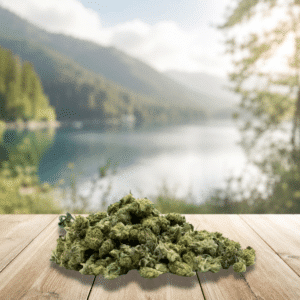 Selecting options: This product has several variations. Options can be selected on the product page.
-
Small Buds Bruce Banner 12% – Organic CBD grown in the Rhône-Alpes region
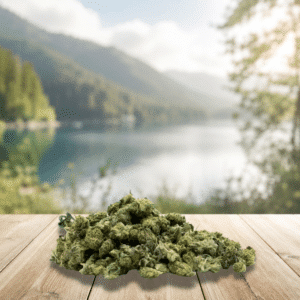 Selecting options: This product has several variations. Options can be selected on the product page.
 -
Small Buds Permanent Marker US 12% – Organic CBD grown in the Rhône-Alpes region
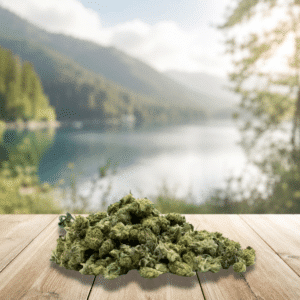 Selecting options: This product has several variations. Options can be selected on the product page.
-
Small Buds Sour Diesel 12% – Organic CBD grown in the Rhône-Alpes region
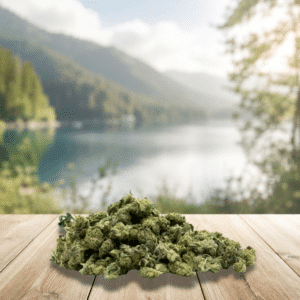 Selecting options: This product has several variations. Options can be selected on the product page.
 -
Small Buds Runtz US 11% – Organic CBD grown in the Rhône-Alpes region
Selecting options: This product has several variations. Options can be selected on the product page.
-
Small Buds Girl Scoot Cookie 12% – Organic CBD grown in the Rhône-Alpes region
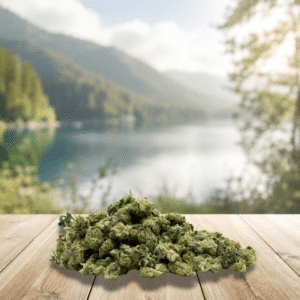 Selecting options: This product has several variations. Options can be selected on the product page.
 -
Small Buds Skywalker 12% – Organic CBD grown in the Rhône-Alpes region
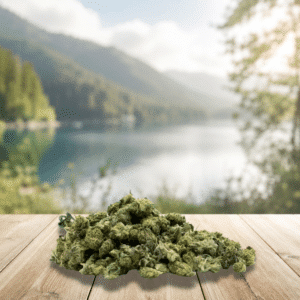 Selecting options: This product has several variations. Options can be selected on the product page.
 -
Small Buds Amnesia 11% – Organic CBD grown in the Rhône-Alpes region
 Selecting options: This product has several variations. Options can be selected on the product page.


CBD: definition, effects and cannabidiol products
What is CBD?
CBD , or cannabidiol, is a cannabinoid naturally present in hemp (Cannabis sativa L.). Unlike THC, CBD does not have the same psychotropic properties and is not classified as a narcotic in France.
Today, CBD in France is particularly appreciated in the wellness world and comes in many forms: CBD flowers, CBD resins and hash, CBD oils, vapes, hemp extracts and products containing different cannabinoids.
Why choose The French Hemp Empire to buy CBD?
The French Hemp Empire is an online CBD shop specializing in premium CBD and new generations of cannabinoids.
Our shop offers a regularly updated selection of:
- CBD flowers Indoor, Greenhouse and Outdoor ;
- flowers and Small Buds ;
- CBD resins and hash ;
- hemp oils and extracts ;
- vapes and 510 cartridges ;
- THV-N10, DC10, THCX, 10-OH, CRD and other next-generation cannabinoids.
Our goal is simple: to select products with the best value for money, with particular attention paid to aromatic profiles, concentrations and composition.
Flowers, resins and cannabinoids: discover a new generation of CBD
The hemp market is evolving rapidly. Alongside traditional CBD, new cannabinoids and blends now allow for the discovery of very different profiles and experiences.
The French Hemp Empire selects both cheap CBD flowers and premium flowers, cannabinoid-rich resins and new generation products for enthusiasts looking for more original options.
Whether you are looking for a potent CBD flower, CBD resin, an Small Bud or the latest cannabinoid innovations, explore our catalogue and find the product that meets your expectations.
Your online CBD shop in France
With The French Hemp Empire, buy your CBD online from a carefully selected range of flowers, resins, oils, vapes and cannabinoids.
Discover our new products, compare the different concentrations and explore a new vision of premium CBD in France.
The 6 major benefits of CBD: why cannabidiol is becoming a wellness benchmark in France and Europe
Cannabidiol, better known as CBD, has become an essential molecule in the world of natural wellness. Derived from hemp (Cannabis sativa L.), this non-psychoactive cannabinoid is generating increasing interest in France, Belgium, Italy, and throughout Europe. Unlike THC, CBD does not produce any euphoric effects, making it a sought-after solution for supporting daily life without impairing alertness.
If you're looking for a natural approach to improving your physical and mental well-being, understanding the benefits of CBD is essential. Used in various forms—flowers, oils, resins, or vapes—it easily integrates into a modern routine, with studied effects on stress, sleep, and overall balance.
Here are the 6 major benefits of CBD, based on current knowledge and user experience.

1. CBD: a natural pain reliever with relaxing properties
CBD is known for its analgesic and relaxing properties, making it a valuable ally for people suffering from chronic or occasional pain. Its action is based on its interaction with the endocannabinoid system, a biological network involved in pain regulation.
In practice, CBD can help relieve different types of pain:
- chronic inflammation
- muscle and joint pain
- headaches
- discomforts related to physical activity
- tensions accumulated on a daily basis
Unlike conventional solutions, which are often more aggressive on the body, CBD offers a gentler and more gradual approach. It doesn't act as an instant pain reliever, but rather as a regulator, promoting better overall balance.
👉 To optimize this effect, premium CBD flowers or concentrated resins are particularly sought after for their richness in cannabinoids and terpenes.

2. CBD: a natural aid for deep and restorative sleep
Sleep is one of the fundamental pillars of well-being, yet many people experience difficulty falling asleep or maintaining quality sleep. CBD is often used as a natural support to improve these issues.
Its action is not based on a direct sedative effect, like conventional sleeping pills, but on its ability to reduce disruptive factors, including:
- stress
- anxiety
- nervous tension
By promoting relaxation, CBD helps your body return to a more natural rhythm. You fall asleep more easily and enjoy deeper sleep.
👉 Full spectrum CBD oils are particularly suitable for this use, thanks to their gradual absorption and long-lasting effect.

3. CBD: an ally for healthier, more balanced skin
CBD is increasingly used in skincare, particularly for its anti-inflammatory and regulatory properties. It acts directly on the mechanisms responsible for certain skin conditions.
Among the issues addressed:
- acne
- excess sebum
- redness
- eczema
- psoriasis
Cannabidiol helps regulate sebum production and soothe inflammation, making it a key ingredient in natural skincare routines.
👉 By incorporating CBD into your daily routine, you promote more balanced skin, less prone to imperfections and more resistant to external aggressions.

4. CBD: an effective support against stress and mood disorders
Stress is omnipresent today. Work, social pressure, the pace of life… your body is constantly under strain. CBD acts as a regulator of the nervous system, interacting with receptors linked to serotonin, often called the “happiness hormone”.
Many users report:
- a feeling of calm
- a reduction in tensions
- an improvement in mood
- better emotional management
CBD can therefore be integrated into a global wellness routine, as a complement to a balanced lifestyle.
👉 CBD vapes and 510 cartridges are particularly appreciated for fast action in case of occasional stress.

5. CBD: a natural aid against the effects of aging
As we age, the body changes, and some functions may become less efficient. CBD is used by many people to support these changes, particularly due to its relaxing and anti-inflammatory properties.
It can contribute to:
- improve joint comfort
- reduce muscle tension
- promote better sleep
- to support general well-being
Its lack of addiction and good tolerability make it an attractive option for regular use.
👉 CBD is used here for prevention and comfort, rather than treatment.

6. CBD: a natural support in managing addictions
CBD is also being studied for its potential role in reducing addictive behaviors. It acts on the brain's reward mechanisms, which may help to decrease certain compulsions.
It is notably used for:
- reduce nicotine cravings
- to support smoking cessation
- limit THC consumption
- manage certain ingrained habits
👉 CBD flowers can be an interesting alternative to replace certain habits, while gradually reducing dependence.
The French Hemp Empire: your premium CBD shop in France, legal and carefully selected
A full range of premium CBD products
At The French Hemp Empire, we offer a demanding selection of CBD products and legal cannabinoids, designed to meet the expectations of consumers who seek quality, transparency, effectiveness and pleasure of use.
Our online CBD shop brings together the major, essential product categories on the market:
Premium CBD flowers, selected for their aromas, appearance, cannabinoid levels, and natural terpene richness.
CBD resins and hash, crafted to offer pleasant textures, pronounced flavor profiles, and a more intense experience.
CBD oils, ideal for precise, regular use and easy integration into your wellness routine. (Novel Food: Prohibited since May 15, 2026).
CBD vapes, puffs, and cartridges, designed for consumers seeking a modern, convenient, and discreet format.
CBD wellness products, designed to naturally enhance your moments of relaxation, recovery, and unwinding.
Each reference is carefully chosen to offer you a consistent, reliable and premium experience, whether you are a beginner or an expert.

A selection of quality hemp, designed for well-being
The French Hemp Empire focuses on high-quality hemp, cultivated according to demanding standards and selected for their natural cannabinoid richness. Our goal is simple: to offer you a pleasant, stable, and compliant CBD product that meets your everyday needs.
CBD, or cannabidiol, is a cannabinoid naturally present in hemp. Unlike THC, it is not sought after for its euphoric effects, but rather for its benefits in a wellness routine. It is now appreciated by many consumers for promoting relaxation, rest, stress management, and overall well-being.

Quality control and legal compliance
Safety, traceability, and compliance are at the heart of our approach. All products offered on The French Hemp Empire are selected according to strict criteria to comply with applicable regulations in France and Europe.
Our products comply with, in particular:
A THC content of 0.3% or less , in accordance with the European regulations applicable to hemp. Rigorous batch selection to guarantee consistent quality. Controlled composition to offer you reliable, clean, and compliant products. Maximum transparency regarding the essential characteristics of each product.
In a rapidly expanding CBD market, quality should never be left to chance. That's why we prioritize products that are controlled, consistent, and tailored to the expectations of European consumers.

Fast delivery in France, Belgium, Italy and throughout Europe
The French Hemp Empire supports consumers in France, but also throughout Europe, with particular attention to Belgium and Italy , two markets where demand for premium CBD continues to grow.
You can easily order your CBD online from the comfort of your home and enjoy discreet, fast, and secure shipping. Whether you're looking for aromatic CBD flower, CBD oil for your daily routine, a more potent resin, or a convenient CBD vape, our shop offers easy access to a comprehensive selection.

A strong commitment to your satisfaction
At The French Hemp Empire, we believe that a good CBD shop shouldn't just sell products. It should also support you, inform you, and help you make the right choice.
Our commitment rests on three pillars:
Quality, with products selected for their reliability, composition, and user experience.
Transparency, with clear information to help you understand what you're buying.
Customer satisfaction, with a shop designed for simple, fast, and secure ordering.
Whether you are looking for premium CBD in France, CBD delivery in Belgium, a reliable CBD shop for Italy or a European shop specializing in legal cannabinoids, The French Hemp Empire offers you a complete, modern and demanding experience.
Discover our online store now and enjoy premium, legal and carefully selected CBD products to support your daily well-being.
THE BLOG: NEWS ABOUT HEMP AND CBD (CANNABIDIOL).

Traveling with CBD in 2026: essential rules, documents and advice to respect 0.3% THC, avoid flowers/resins and travel with peace of mind.

When to take CBD? Start in the evening to assess tolerance, then adapt the timing to your goal and adjust over 1–2 weeks.

Topical CBD may reduce itching and inflammation associated with eczema; limited evidence: patch test and medical advice recommended.
FAQ: THE MAIN QUESTIONS AND QUESTIONS ABOUT CBD IN FRANCE AND AROUND THE WORLD.
1. How to buy premium CBD in France without making a mistake?
Buying premium CBD in France requires a methodical approach. You must first understand that not all products are created equal, even if the descriptions seem similar. The first criterion to analyze is the origin of the hemp. Quality CBD generally comes from controlled crops with complete traceability. Reputable producers use environmentally friendly methods, without pesticides or harsh chemicals.
Next, you need to check the lab results. A reliable product should provide a certificate of analysis specifying the exact composition: CBD, THC, and terpene levels, and the absence of contaminants. Without this information, you're taking a risk.
The type of product is also crucial. CBD flowers offer a raw and natural experience, oils allow for precise dosing, while vapes ensure rapid absorption. Your choice should align with your goal: relaxation, sleep, or everyday comfort.
Finally, the choice of seller is crucial. A specialist shop must offer a seamless user experience, fast delivery, and responsive customer service.
👉 To maximize your security, choose a well-structured store with clear categories such as:
- CBD flowers
- CBD oils
- CBD resins
- CBD vapes
This transforms a simple purchase into a controlled experience.
A premium CBD product is primarily distinguished by the quality of the information provided about it. Before choosing a hemp-based product, it's essential to look beyond the brand name, the stated CBD content, or the marketing promise. Two products may appear similar but have vastly different levels of traceability, safety, freshness, aromatic quality, and quality control.
In France, hemp-derived products must comply with strict regulations, particularly regarding delta-9-THC content. The decree of December 30, 2021, sets a limit of 0.30% THC for hemp extracts and products containing them. This limit is a key benchmark for distinguishing a compliant product from one that does not meet applicable requirements.
The first criterion to examine is the origin of the hemp. Premium CBD generally comes from identified, controlled, and monitored crops. Traceability allows you to understand where the raw material comes from, under what conditions it was grown, how it was processed, and which batch it belongs to. This transparency is important because it avoids anonymous products, poorly documented batches, or products with unclear origins.
Cultivation quality also plays a major role. Hemp grown carefully in a controlled environment generally yields a cleaner, more consistent, and more aromatic raw material. Environmentally friendly cultivation methods, the absence of harsh pesticides, humidity control, drying quality, and storage conditions directly influence the final product.
For premium CBD flowers, visual appearance is a first indicator, but it's not enough. A quality flower must be well-trimmed, properly dried, pleasant to the touch, and stored under good conditions. A flower that is too dry, too brittle, has an unpleasant aroma, or is improperly stored can lose much of its value. Terpenes, responsible for the natural aromas of hemp, are particularly sensitive to air, light, heat, and humidity.
Laboratory analysis is another essential element. A reliable product should be accompanied by a clear certificate of analysis. This document verifies the product's composition, including cannabinoid levels, compliance with THC limits, and, when the analysis is complete, the absence of undesirable contaminants. Without available analysis, it becomes difficult to properly assess the product's quality and safety.
The presence of a certificate of analysis should not be considered a mere technical detail. It is one of the main indicators of reliability. A responsible company must be able to document its products, identify batches, and provide reliable information to its customers. This approach is particularly important in a sector where commercial names, advertised percentages, and promises can sometimes lack clarity.
The type of product must also be clearly understood. CBD flowers, CBD oils, CBD resins, and CBD vapes do not serve the same purposes, meet the same expectations, or have the same limitations. A CBD flower highlights the plant's natural profile, its aromas, and its texture. A CBD oil generally allows for more precise dosage information. A CBD resin relies on a specific concentration and texture. A CBD vape is distinguished by its format, perceived speed of delivery, and specific usage precautions.
Premium CBD is therefore not simply about high concentration. A high CBD level can be appealing, but it doesn't guarantee the overall quality of the product. The aromatic profile, freshness, traceability, processing method, regulatory compliance, and available analyses are equally important. A good product must be consistent across the board.
Transparency on the part of the seller is also essential. A specialized shop should present its categories clearly, explain the differences between products, display important information, and avoid making exaggerated claims. CBD products should not be presented as medicines or miracle cures. Responsible communication remains informative, measured, and compliant.
French regulations distinguish between CBD and THC, but caution remains necessary. The Council of State has reiterated that CBD cannot be considered a narcotic when it lacks psychotropic effects and complies with applicable regulations. It has also overturned the general ban on the sale of cannabis flowers and leaves with low THC content.
However, the possible presence of trace amounts of THC requires particular vigilance. Even when a product complies with the regulatory limit, it may contain a residual amount of THC. This is why safety information, usage warnings, advice against driving, and reviewing analysis remain important. A premium product should be accompanied by clear information, not just marketing hype.
The target audience's age must also be clearly defined. CBD products must be presented in a responsible environment, with communication intended for adults. A reputable shop must avoid any ambiguity, not target minors, and provide information suitable for a mature audience.
Customer service is also part of the premium experience. A reputable brand should be able to answer questions about origin, testing, storage, product categories, delivery, and compliance. Responsive customer service provides clear answers and reassures customers about product quality.
Finally, delivery and packaging play a crucial role. A premium product must be properly protected during transport. Discreet, sturdy, and appropriate packaging helps preserve quality, prevents crushing of the flowers, potential leaks, or degradation due to poor storage conditions. Quality doesn't end with the product itself; it also encompasses how it is prepared, shipped, and received.
For The French Hemp Empire, recognizing a premium CBD product means observing several complementary criteria: hemp origin, laboratory analyses, THC compliance, cultivation quality, freshness, storage, clarity of information, seller's reliability, and service transparency. A good CBD product shouldn't just be attractive. It must be documented, verified, consistent, and presented responsibly.
In summary, a reliable premium CBD product in France is characterized by its traceability, testing, regulatory compliance, and the quality of its information. Before trusting a product, it's best to verify what can be proven: origin, batch number, cannabinoid content, THC level, production method, and storage conditions. This approach helps distinguish a truly reputable product from one that is simply well-presented.
2. Why is premium CBD more expensive and is this justified?
Premium CBD is generally more expensive than entry-level CBD products, and this price difference is often perfectly justified. When you buy high-end CBD flower , premium CBD oil , top-quality CBD resin , or any other hemp-derived product, you're not just paying for the cannabidiol percentage listed on the label. You're also paying for the quality of cultivation, genetic selection, aromatic richness, laboratory testing, traceability, product safety, and the overall experience.
Premium CBD is distinguished first and foremost by its production methods. High-end CBD flowers typically come from hemp varieties carefully selected for their cannabinoid profile, natural CBD concentration, terpene richness, and visual appeal. Terpenes are the aromatic molecules naturally present in the hemp plant. They are what give CBD flowers their citrus, fruity, woody, earthy, spicy, or floral notes. The better a flower is cultivated, dried, and cured, the more complex and pleasant its aromatic profile will be.
Indoor cultivation is among the most expensive, but also the most precise, methods. Unlike traditional outdoor cultivation, it allows for control of the plant's environment at every stage: light, temperature, humidity, ventilation, irrigation, nutrients, and protection against external contamination. This control results in more uniform, denser, more resinous flowers that are often richer in terpenes. However, it requires expensive equipment, significant energy consumption, constant human intervention, and a high level of technical expertise. This is one of the main reasons why premium indoor CBD flower costs more than lower-end CBD flower.
Greenhouse cultivation, or growing under glass, can also produce very high-quality products when properly managed. It combines natural sunlight with a partially controlled environment. Here again, quality depends on the producer's expertise, the genetics used, the care given to the plants, and the drying conditions. Premium CBD is therefore not just a matter of cultivation method; it is primarily a matter of high standards at every stage.
Drying and curing also play a crucial role. A CBD flower may have been well-cultivated, but it can lose much of its appeal if it is improperly dried or stored under poor conditions. Drying too quickly can alter the aromas, make the flower harsh to the nose or touch, and reduce the overall quality of the product. Conversely, slow, clean, and controlled drying helps preserve the cannabinoids, terpenes, and natural texture of the flower. Curing then results in a more balanced, pleasant, and stable product. This process requires time, space, experience, and therefore additional costs.
For premium CBD oils, the price is also explained by the quality of the extraction. A high-end oil is not simply a mixture of CBD and vegetable oil. It is based on a clean, precisely dosed, stable, and controlled hemp extract. The highest quality extraction methods, such as supercritical CO2 extraction, require professional equipment and high technical precision. This method is valued because it yields a pure extract, free of unwanted solvents, while preserving a significant portion of the plant's natural profile. However, it is considerably more expensive than a basic extraction performed using less demanding processes.
The difference between premium and low-end CBD also lies in traceability. A reputable product must be able to be linked to a clear origin, an identified batch, and precise analyses. This traceability allows you to know where the hemp comes from, how it was processed, its CBD content, its THC content, and whether it complies with current regulations. In France, CBD products must respect the legal THC limit, set at 0.3%. A reputable seller must therefore ensure that their products comply before offering them to customers.
Laboratory analyses represent another significant portion of the price. Testing a batch of CBD flowers, CBD resins, or CBD oils has a real cost. However, these tests are essential to guarantee product safety. They allow for verification of cannabinoid levels, particularly CBD and THC, and also for the detection of any undesirable residues when the analyses are complete: heavy metals, pesticides, residual solvents, or microbiological contaminants. A premium CBD product must inspire confidence. This confidence is not based solely on an attractive photo or marketing description, but on concrete and verifiable controls.
The price of premium CBD also reflects the choice of raw materials. A quality CBD oil generally uses a carefully selected carrier oil, such as MCT oil or hemp seed oil. A premium CBD resin relies on concentrated extracts, a refined texture, and a more sophisticated aromatic profile. A high-end CBD flower comes from well-manicured, well-preserved buds selected for their visual and olfactory qualities. Conversely, some cheaper CBD products may come from less homogeneous batches, drier flowers, plant residues, less controlled cultivation, or faster processing methods.
The freshness of the product must also be considered. High-quality CBD must be stored under optimal conditions to preserve its aroma, texture, and stability. Light, air, heat, and humidity can degrade flowers, resins, and oils. A premium seller must therefore invest in suitable storage, protective packaging, and regular stock rotation. This logistical work impacts the final price, but it directly enhances the customer experience.
Logistics is often underestimated in the price of CBD. A reputable shop must ensure fast order processing, discreet packaging, effective product protection, and reliable delivery. For a customer, receiving their CBD quickly, in a well-prepared package that is odor-free, leak-proof, undamaged, and with clear tracking, is part of quality service. Fast delivery in France and Europe requires a robust organization, reliable logistics partners, and responsive customer service. Again, the price reflects not only the product itself, but the entire shopping experience.
Premium CBD is also more expensive because it minimizes unpleasant surprises. With a lower-end product, customers may encounter flowers that are too dry, lack aroma, are poorly trimmed, tasteless, or have insufficient traceability. The low price may seem attractive initially, but it can become disappointing if the product doesn't meet expectations. Conversely, high-end CBD generally offers greater consistency, better preservation, a more refined flavor profile, and greater transparency regarding its composition.
It's important to understand that the price of CBD shouldn't be judged solely by the gram or milliliter. Two CBD flowers can have the same weight but be of completely different quality. Two CBD oils can have the same percentage but not offer the same extract quality, stability, traceability, or formulation precision. To make a proper comparison, several criteria must be considered: hemp origin, cultivation method, cannabinoid content, available analyses, freshness, aroma, texture, seller reputation, and quality of service.
Premium CBD is therefore justified when it offers genuine added value. This value can be seen in the product's appearance, perceived in its aromas, verified through analysis, and felt in the quality of service. You are paying for a better-selected, better-controlled, and more reliable product. For customers seeking a higher-quality, cleaner, and more transparent experience, the extra cost can be more than justified.
This doesn't mean that cheaper CBD is necessarily bad. There are some very good, affordable CBD products available, particularly small buds, quality trim, or promotional bundles. But premium CBD meets a different expectation: that of a more refined, more aromatic, more consistent, and more reassuring product. It's a logical choice for customers who prioritize quality, traceability, and safety over the lowest price.
At The French Hemp Empire, this commitment to quality translates into a rigorous selection of hemp-derived products that comply with French regulations and contain less than 0.3% THC. Our goal is to offer you reliable, enjoyable CBD tailored to your needs, whether you're looking for CBD flowers, CBD oils, CBD resins, CBD herbal teas, or pet products. Buying premium CBD means choosing a more controlled product, greater transparency, and a more reliable customer experience.
In short, premium CBD is more expensive because it requires more work, more control, and higher standards at every stage: cultivation, harvesting, drying, extraction, testing, storage, packaging, and delivery. This higher price isn't just about branding or packaging. It reflects a real difference in quality, safety, and traceability. For a customer who wants to buy CBD online with confidence, premium CBD often represents the best compromise between enjoyment, reliability, and peace of mind.
3. What is the difference between CBD, THC and new generation cannabinoids such as THCA or THV-N10?
When you start researching hemp products, you quickly encounter several confusing terms: CBD, THC, THCA, THV-N10, natural cannabinoids, semi-synthetic cannabinoids, neo-cannabinoids, or even next-generation cannabinoids. These terms don't all refer to the same thing. Some molecules are naturally present in the hemp plant, while others are produced through chemical transformations or more recent formulation processes. Some are well-known, extensively studied, and regulated for many years, while others remain much less documented.
For The French Hemp Empire, understanding these differences is essential. The premium CBD market is evolving rapidly, consumers are increasingly informed, and authorities are closely monitoring molecules that may have psychoactive effects or a risk profile that is still poorly understood. The first rule to remember is simple: the name of a cannabinoid is never enough to judge the quality, compliance, or safety of a product. You must always look at the actual composition, laboratory analyses, THC level, the origin of the molecule, and the applicable regulatory framework.
CBD, or cannabidiol, is the best-known cannabinoid on the legal hemp market. It occurs naturally in certain varieties of Cannabis sativa L. Unlike THC, CBD is not sought after to produce a euphoric effect or alter perception. It is precisely this difference that has allowed CBD to develop in Europe, particularly in CBD flowers, CBD oils, CBD resins, CBD infusions, CBD cosmetics, and certain hemp-based wellness products.
CBD is often associated with a gentler, more stable, and more accessible approach to hemp. However, it should not be presented as a medicine or a miracle cure. Serious discussions must remain measured. CBD can be part of a wellness routine, but it does not replace medical advice, treatment, or professional guidance. This distinction is important to avoid exaggerated claims and maintain responsible communication.
THC, or tetrahydrocannabinol, is a much more regulated molecule. It is the main psychoactive cannabinoid in cannabis. It is what is associated with the euphoric effects, altered perception, the famous "high," and the psychotropic effects of traditional cannabis. In France, hemp-derived products must comply with a strict THC limit. The current regulatory threshold is 0.30% delta-9-THC for hemp extracts and products containing them.
This difference between CBD and THC is fundamental. A compliant CBD product is not supposed to produce the psychoactive effects associated with THC-rich cannabis. It may contain trace amounts of THC within the permitted limits, but it must remain within the legal framework. This is why certificates of analysis are essential. They allow verification of the actual cannabinoid content, particularly CBD and THC, and ensure that the product meets regulatory requirements.
Both CBD and THC act within the endocannabinoid system, but they have different profiles. THC binds strongly to certain receptors involved in psychoactive effects. CBD, on the other hand, is generally described as having a more indirect and complex interaction. This difference explains why these two molecules should not be confused. A CBD-rich flower that complies with the legal THC limit is not the same as a typical cannabis flower with a high THC content.
THCA, or tetrahydrocannabinolic acid, is another special case. It is the acidic form of THC, naturally present in the fresh plant before certain processing. In the raw plant, cannabinoids often exist in their acidic forms: THCA for THC, CBDA for CBD, and CBGA for CBG. These forms change under the influence of heat, time, or certain processing methods. THCA can thus be converted into THC through a process called decarboxylation.
This unique characteristic makes THCA more complex to understand. In its raw state, it is often presented as non-psychoactive. However, as soon as it is exposed to heat, it can transform into delta-9-THC, that is, a psychoactive molecule. This is why THCA must be approached with caution. Its status cannot be summarized in a simplistic phrase like "THCA is legal" or "THCA has no effect." Everything depends on the product, its total composition, its intended use, its potential transformation, and its laboratory analysis.
For compliance purposes, it's best to look at the total THC level, not just the isolated delta-9-THC level. A product with a high THCA content can, depending on the conditions, generate a significant amount of THC after processing. For a reputable hemp company, this requires heightened vigilance. Analyses must be precise, customer information must be clear, and communication must never downplay the potential conversion of THCA to THC.
THCA is therefore very different from CBD. CBD is a non-intoxicating molecule widely associated with the legal hemp market. THCA, on the other hand, is directly linked to the chemistry of THC. Even though it is not identical to THC in its raw form, it is its precursor. This chemical relationship completely changes how we approach it. For The French Hemp Empire, it is important to present this molecule clearly and informatively, without commercial exaggeration or regulatory ambiguity.
Next-generation cannabinoids, such as THV-N10, belong to an even more fluid category. These molecules are often presented as modern alternatives to traditional cannabinoids. Some are described as natural, others as semi-synthetic, and still others as the result of molecular modifications. The problem is that these marketing terms sometimes evolve faster than scientific research, regulations, and analytical standards.
THV-N10, in particular, must be presented with caution. It does not benefit from the same scientific backlog as CBD. Information available on this type of molecule can vary depending on the manufacturer, distributor, or country. Some marketing descriptions refer to it as an emerging cannabinoid, others as a semi-synthetic molecule or a derivative of existing cannabinoids. This lack of a clear and universally accepted definition necessitates a responsible approach.
The concept of “next-generation cannabinoid” should not automatically be associated with higher quality. A new molecule is not necessarily superior to a known one. It may be interesting from an innovative standpoint, but it can also present greater uncertainties: limited scientific data, less documented effects, a legal framework that is likely to evolve rapidly, variable production methods, sometimes less standardized analyses, and risks of excessive commercial interpretation.
Since the appearance of HHC and other semi-synthetic cannabinoids on the European market, health authorities have been monitoring these substances more closely. Several molecules have already been banned or classified as narcotics in France. This demonstrates that the regulatory framework is not static. A molecule presented as available at one time may be subject to restrictions a few months later. For this reason, reputable brands must stay abreast of legal developments, update their information, and avoid making any definitive promises about the future legality of a new cannabinoid.
The main difference between CBD, THC, THCA, and THV-N10 lies in four criteria: the potential psychoactive effect, the molecule's origin, the level of scientific documentation, and the regulatory framework. CBD is currently the benchmark for legal, non-intoxicating hemp. THC is the strictly regulated psychoactive molecule. THCA is a precursor to THC that can change under the influence of heat. THV-N10 is among the emerging cannabinoids for which caution, transparency, and analysis are essential.
For a customer, this distinction makes it easier to understand a product description. A premium CBD product should highlight its traceability, CBD content, THC content, origin, testing, and compliance. A product containing THCA or an emerging cannabinoid must provide even more information, as understanding the product requires a higher level of attention. The absence of testing, a lack of clarity regarding the molecule's origin, or overly ambitious claims should be considered red flags.
It is also important not to confuse "legal" with "without precautions." A product may be presented as compliant at a given time, but still require responsible information. Cannabinoid-based products should not be intended for minors. They should not be used in conjunction with driving, operating dangerous machinery, or in situations requiring complete vigilance. If you are undergoing medical treatment, have a health condition, are pregnant, or are breastfeeding, professional advice is essential.
Premium CBD stands out precisely because of this commitment to providing information. A reputable brand doesn't just use trendy buzzwords. It explains the differences between the molecules, reiterates regulatory limits, lists available analyses, and communicates clearly. Quality isn't solely based on the stated concentration or perceived potency. It also relies on transparency, safety, compliance, and the ability to properly inform the customer.
In this context, The French Hemp Empire can position itself as an educational player in the premium hemp market. The role of a specialized shop isn't simply to present categories like CBD flowers, CBD oils, CBD resins, or CBD vapes. It's also to help adult customers understand what they're viewing, distinguish established cannabinoids from emerging molecules, and identify essential information before making any decisions.
In summary, CBD is the reference molecule in wellness hemp, not sought after for its euphoric effects. THC is the psychoactive molecule in cannabis, heavily regulated by law. THCA is an acidic form related to THC, capable of converting into THC under certain conditions. THV-N10 and other new-generation cannabinoids belong to a more recent family, less documented and more subject to regulatory changes. To properly understand a product description, it is therefore essential to check the composition, laboratory analyses, THC level, the origin of the cannabinoid, and the seller's transparency.
4. How does CBD work in the body and why do we talk about the endocannabinoid system?
To understand CBD, it's essential to first grasp a key concept: the endocannabinoid system. This biological system, often abbreviated as ECS, is naturally present in the human body. It plays a role in numerous internal mechanisms related to the body's overall balance. This is why we often speak of homeostasis, meaning the body's ability to maintain stable function despite internal and external fluctuations.
When you hear about CBD, THC, cannabinoids, or wellness hemp, the endocannabinoid system is almost always at the heart of the discussion. It helps explain why certain molecules from hemp can interact with the body. But it's important to be precise: CBD doesn't act like a traditional medication targeting a single function. Its action is more indirect, more holistic, and more complex. This also explains why it's being studied in several scientific fields, without necessarily being presented as a medical solution.
The endocannabinoid system is composed of three main elements: receptors, molecules naturally produced by the body, and enzymes responsible for regulating them. The molecules produced by the body are called endocannabinoids. They do not come from the cannabis or hemp plant; they are produced by the body itself. Their role is to transmit biological signals and participate in the regulation of several functions.
The two best-known receptors of the endocannabinoid system are CB1 and CB2 receptors. CB1 receptors are primarily found in the brain and central nervous system, although they can also be found elsewhere in the body. They are involved in several mechanisms related to perception, memory, mood, appetite, and the stress response. CB2 receptors are more closely associated with the immune system and peripheral tissues. They are frequently studied for their role in inflammatory responses and the body's defense mechanisms.
This distinction between CB1 and CB2 helps to better understand the difference between CBD and THC. THC, the main psychoactive molecule in cannabis, binds strongly to CB1 receptors. This interaction largely explains its psychotropic effects, such as euphoria, altered perception, or the feeling of being “high.” CBD, however, does not work in the same way. It does not bind directly and strongly to CB1 receptors like THC. Instead, it acts indirectly, by modulating the activity of the endocannabinoid system and other biological systems.
This difference is fundamental for The French Hemp Empire, as it explains why CBD is generally presented as non-intoxicating. CBD is not intended to alter perception. It is more associated with a wellness, relaxation, and balance approach, without being equated with THC-rich cannabis. This distinction must always be clearly explained, as confusion between CBD and THC remains common among consumers.
CBD's action is not limited to CB1 and CB2 receptors. Scientific research shows that cannabidiol has a complex pharmacology. It can interact with several biological targets, including certain serotonin-related receptors, channels involved in sensory perception, nuclear receptors, and enzymes involved in endocannabinoid metabolism. This is why CBD is sometimes described as a "multi-target" molecule.
This multi-target action does not mean that CBD acts magically or universally. It simply means that its interaction with the body is broader than a direct binding to a single receptor. While some molecules have a very targeted action, CBD seems to influence several biological pathways. This characteristic explains the scientific interest it has generated, but it also necessitates caution in how it is presented.
CBD can indirectly influence anandamide, one of the body's main endocannabinoids. Anandamide is sometimes called the "happiness molecule," although this is a simplification. It participates in various internal regulatory mechanisms. Some studies suggest that CBD could help limit its breakdown, which could prolong its natural activity. Again, this is not a sudden or immediate effect, but rather a biological modulation.
The endocannabinoid system functions somewhat like a regulatory network. It doesn't trigger a single, specific reaction, but rather supports the balance between several functions. It plays a role in a variety of processes, such as mood, sleep, the stress response, pain, appetite, memory, inflammation, and immunity. This diversity is what makes the subject so interesting, but also so complex.
For the customer, understanding this helps avoid two common mistakes. The first mistake is believing that CBD acts like THC. This is not the case. CBD does not produce the same type of psychoactive effect. The second mistake is believing that CBD acts like a conventional medication, with a single, direct, and guaranteed effect. This is also incorrect. CBD should instead be understood as a molecule capable of interacting with regulatory mechanisms already present in the body.
This concept of regulation is essential. CBD doesn't "force" the body to react in a single direction. Rather, it seems to participate in modulating certain biological signals. This is why it's often referred to as supporting the body's natural balance. This formulation is more accurate, more responsible, and more consistent than making direct promises about stress, sleep, or pain.
It's also important to remember that everyone's body reacts differently. Two people can try the same type of CBD product, with the same advertised percentage, but not have exactly the same experience. Several factors can influence perception: individual sensitivity, metabolism, weight, age, lifestyle, time of day, type of product, quality of the extract, presence of other cannabinoids, terpene profile, and potential interactions with other medications.
The type of product also plays a role. CBD oil, CBD flower, CBD resin, CBD infusion, and CBD vape do not all have the same characteristics. Composition, absorption method, perceived speed of absorption, duration of effects, and precautions for use can all vary. This is why clear information is essential. Premium CBD is recognized not only by its cannabidiol content, but also by the quality of its testing, its traceability, its freshness, and the transparency of its presentation.
The endocannabinoid system also helps us better understand the benefits of the full spectrum of molecules in hemp. A hemp plant doesn't contain only CBD. It can also contain other minor cannabinoids, terpenes, flavonoids, and various aromatic molecules. Some refer to this as the entourage effect, a hypothesis suggesting that the natural compounds in hemp may act in a complementary way. This concept remains debated and studied, but it helps explain why two products containing the same level of CBD can offer different sensory experiences.
Terpenes deserve special attention. These are the aromatic compounds responsible for the citrus, woody, floral, fruity, spicy, or earthy notes of hemp flowers. They don't solely determine the effects of CBD, but they contribute to the product's identity. In a premium CBD flower, terpene richness is often an indicator of quality: it reflects careful cultivation, controlled drying, and proper storage. A product lacking in aroma, too dry, or poorly stored can lose some of its appeal.
The quality of laboratory analyses is essential for any serious discussion about CBD and the endocannabinoid system. A reliable product must allow consumers to know its true composition: CBD level, THC level, the possible presence of other cannabinoids, and compliance with current regulations. In France, hemp-derived products must adhere to the applicable legal THC threshold. For a customer, this information is crucial: it determines the product's compliance and the level of trust they can place in it.
Caution is still advised. Even though CBD is often presented as well-tolerated, it may not be suitable for everyone. Adverse effects are possible in some individuals, including drowsiness, digestive issues, or interactions with certain medications. People undergoing treatment, pregnant or breastfeeding women, those with a medical condition, or anyone with doubts should seek professional advice before use.
It's also important to remember that CBD products are not intended for minors. A responsible brand must adopt clear communication, aimed at adults, and never trivialize cannabinoids. The French Hemp Empire can thus distinguish itself through a premium, educational, and transparent approach: explaining the known mechanisms, acknowledging the limitations of science, presenting available analyses, and avoiding exaggerated claims.
CBD should therefore be understood as an interaction molecule, not a medical substitute. Its value lies in its ability to interact with a biological system naturally present in the body: the endocannabinoid system. However, this interaction depends on the product, its quality, its composition, the individual consuming it, and the context of use. This is why information, traceability, and caution are essential.
In summary, CBD primarily acts through indirect modulation of the endocannabinoid system and other biological targets. It does not function like THC, as it does not bind strongly to CB1 receptors in the same way and does not produce the euphoric effects associated with THC-rich cannabis. The endocannabinoid system, composed of CB1 and CB2 receptors, endocannabinoids, and enzymes, plays a role in maintaining the body's internal balance. For The French Hemp Empire, explaining this mechanism helps adult customers better understand premium CBD, without confusion, exaggeration, or a responsible approach.
5. Is CBD really effective or is it a placebo effect?
The question of CBD's effectiveness comes up very frequently, and it's perfectly legitimate. In a market where marketing claims abound, it's important to distinguish between three realities: available scientific data, consumers' personal experiences, and the placebo effect. These three dimensions aren't necessarily contradictory. On the contrary, they help us better understand why CBD might be perceived as beneficial by some people, while others don't experience the same effects.
CBD, or cannabidiol, is a molecule naturally present in hemp. Unlike THC, it is not sought after to produce a euphoric effect or alter perception. Rather, it is associated with a focus on well-being, relaxation, and balance. However, it should not be presented as a medication for general wellness use. Responsible communication should avoid exaggerated claims and emphasize that effects can vary from person to person.
To say that CBD “works” or “doesn’t work” would therefore be too simplistic. The reality is more nuanced. CBD is the subject of much scientific research, particularly on its interactions with the endocannabinoid system, the nervous system, and certain mechanisms related to stress, sleep, inflammation, and the perception of discomfort. Some studies show interesting results, but the conclusions are not consistent. Protocols change, the doses studied vary considerably, the forms used are not always the same, and the profiles of the participants can influence the results.
The first point to understand is that CBD does not act like a typical stimulant or sedative. It doesn't force the body to react in a single direction. Rather, it appears to interact with several biological systems, including the endocannabinoid system. This system contributes to the body's internal balance, also known as homeostasis. It is involved in several functions, such as mood, sleep, the stress response, appetite, and the perception of certain bodily signals. This indirect action explains why CBD is often described as a modulating molecule rather than one with an immediate and guaranteed effect.
The placebo effect should also be taken seriously. In the realm of well-being, expectations play a significant role. When someone believes a product will help them relax, sleep better, or feel more calm, their experience can be influenced by this context. This doesn't mean the feeling is false. The placebo effect is a real phenomenon, studied in medicine and psychology. It demonstrates that the brain, expectations, environment, and personal perception can all alter the lived experience.
However, acknowledging the existence of a placebo effect does not mean that CBD is useless. Many wellness, relaxation, or lifestyle products rely on a combination of biological action, personal ritual, the quality of the environment, and individual perception. CBD often fits into this pattern. A person who incorporates CBD into a calm moment, in the evening, as part of a relaxation routine, may associate the product with a signal of release. This behavioral dimension can enhance the overall experience.
Product quality plays a major role. A well-formulated, properly stored, and laboratory-tested premium CBD product is nothing like a poorly dosed, improperly stored, or opaque one. Two CBD oils with the same percentage can differ significantly depending on the quality of the extract, the carrier oil used, the stability of the formulation, the presence of other cannabinoids, the terpene content, and the accuracy of the analyses. Similarly, two CBD flowers can have the same advertised percentage but offer a very different experience depending on their cultivation, drying, curing, and freshness.
This is why it's difficult to assess the effectiveness of CBD without considering quality. A product low in cannabinoids, oxidized, too dry, poorly stored, or lacking traceability can lead to a disappointing experience. Conversely, a premium product, the result of rigorous selection, can offer a more consistent, enjoyable, and reliable experience. For The French Hemp Empire, this distinction is essential: CBD should not be judged solely by its stated concentration, but by the product as a whole.
Perceived dosage is another determining factor, but it must be approached with caution. Every body reacts differently. Some people are very sensitive to cannabinoids, while others feel less. Weight, metabolism, frequency of exposure, fatigue level, stress level, diet, time of day, and any medical treatments can all influence the experience. This variability explains why customer testimonials can differ so greatly for the same product.
The perceived effectiveness also depends on the desired outcome. Some people are interested in CBD for general relaxation. Others associate it with an evening routine, a quest for daily comfort, or a desire to reduce mental stress. These expectations are not all of the same nature. Someone expecting a spectacular, immediate effect comparable to a highly psychoactive substance is likely to be disappointed. Premium CBD is best understood through a measured, gradual, and realistic approach.
Scientific studies on CBD show genuine interest, but they also underscore the need for caution. Cannabidiol has been studied in very specific medical contexts, with controlled doses, forms, and protocols. This does not mean that all commercially available CBD products produce the same effects, nor that they can be presented as treatments. A purified and regulated cannabidiol medicine should not be confused with a wellness CBD oil, CBD flower, or CBD resin sold under the legal hemp regulations.
This distinction is important to avoid oversimplification. The fact that CBD is scientifically studied does not mean that every CBD product can be transformed into a therapeutic solution. Conversely, the fact that some claims are exaggerated does not mean that the molecule is without merit. The right approach lies somewhere in between: CBD is a serious, well-studied molecule, but its use for wellness must be presented with moderation, transparency, and responsibility.
Sleep is one of the topics most often associated with CBD. Many users report seeking a feeling of relaxation before bed. However, studies on sleep remain mixed. Some suggest promising avenues, while others highlight the need for larger and better-controlled research. Sleep depends on numerous factors: stress, screen time, lifestyle, diet, physical activity, environment, anxiety, pain, caffeine, alcohol, and medications. Therefore, CBD cannot be presented as a single solution to a complex problem.
Stress and anxiety are also frequently cited. Here again, some research is exploring the potential of CBD, particularly in relation to neurological mechanisms and receptors involved in mood regulation. However, results can vary significantly depending on the context, dosage, form of the product, and the individual characteristics of the people studied. Therefore, it is more accurate to speak of potential benefits rather than guaranteed effectiveness.
Body comfort and inflammation are also among the topics studied. The endocannabinoid system is involved in various biological mechanisms related to the inflammatory response and the perception of discomfort. However, caution is necessary when presenting information sheets or FAQs to the public. CBD for wellness should not be presented as a medical anti-inflammatory or pain reliever. Responsible wording involves explaining that CBD is being studied in these areas, without promising any individual results.
The placebo effect can therefore coexist with real biological action. A product can act through several channels: chemical composition, usage ritual, sensory perception, aromas, emotional context, brand trust, quality of information, and personal expectations. In the case of premium CBD flowers, for example, terpenes play a significant role in the experience. A pleasant aroma, a refined texture, and high visual quality can positively influence the overall perception of the product. This is not solely a placebo effect; it is also a complete sensory experience.
Trust plays a crucial role. A customer who consults a product with clear analyses, an explained origin, a compliant THC level, an honest description, and reliable customer service feels more reassured. This transparency can enhance the experience by reducing uncertainty. Conversely, a product lacking analysis, a clear origin, or accompanied by exaggerated promises can create mistrust or disappointment.
Product consistency is also crucial. A premium CBD product must offer a consistent composition from batch to batch. Laboratory analyses are precisely what allow for verification of this consistency. If a product varies significantly in quality, aroma, or concentration between batches, the customer experience becomes less reliable. Consistency is therefore an essential criterion for properly evaluating a CBD product.
It's also important to remember that CBD can have side effects in some people. While it's often well-tolerated, it can be associated with drowsiness, digestive issues, decreased alertness, or interactions with certain medications. People undergoing treatment, pregnant or breastfeeding women, those with a medical condition, or anyone with doubts should seek professional advice before use. A reputable premium CBD provider would never underestimate these precautions.
The question of effectiveness must therefore be addressed realistically. CBD may be beneficial for some people, but it doesn't affect everyone in the same way. Its impact depends on the quality of the product, its composition, individual sensitivity, the context, expectations, and the regularity of use. A premium product increases the chances of a consistent experience, but can never guarantee a universal result.
For The French Hemp Empire, the right approach is to present CBD as a serious, but not miraculous, wellness molecule. Premium CBD must be associated with transparency, traceability, laboratory testing, regulatory compliance, and honest information. This stance allows them to stand out from overly aggressive marketing and build a relationship of trust with an informed and discerning adult audience.
In summary, CBD is not simply a placebo effect, but the experience of it cannot be separated from the context, expectations, and quality of the product. Scientific research shows real interest in cannabidiol, while also noting that results vary depending on usage and the individual. The placebo effect can influence perception, as in many areas of wellness, but it does not negate the biological benefits of CBD. To properly evaluate a product, one must consider its traceability, analyses, composition, freshness, and the transparency of the seller. Premium CBD is therefore not a magic bullet: it represents a more controlled, higher-quality, and more responsible approach to wellness hemp.
6. How to recognize a premium CBD and avoid low-quality products?
Recognizing premium CBD is essential to distinguishing a genuine product from one that is simply well-presented. The hemp and cannabidiol market has grown significantly in France and Europe, but not all products are created equal. Behind two CBD flowers, two CBD oils, or two CBD resins with similar names, the difference can be considerable: hemp origin, cultivation method, laboratory analyses, THC levels, storage conditions, freshness, flavor profile, traceability, and the seller's reputation.
Premium CBD isn't defined solely by its price, packaging, or high CBD concentration. A top-of-the-range product must, above all, be transparent, well-documented, and consistent. It should allow consumers to understand its ingredients, origin, production methods, and compliance with applicable regulations. Conversely, a low-quality product is often characterized by a lack of information, an unclear origin, missing analyses, inconsistent visual quality, or overly vague communication.
The first criterion to check is transparency. A reputable brand should provide precise information about its products: type of hemp used, country of origin, product category, CBD content, THC content, cultivation method, extraction method for oils or concentrates, and storage conditions. The more transparent a product is, the easier it is to assess its actual quality.
Laboratory analyses are one of the best indicators of reliability. A premium CBD product should be accompanied by a certificate of analysis, also known as a COA. This document verifies the product's composition: CBD level, THC level, the possible presence of other cannabinoids, regulatory compliance, and, when the analysis is complete, the absence of problematic contaminants such as pesticides, heavy metals, residual solvents, or certain microbiological contaminants.
Without laboratory analysis, it's difficult to trust a product. A product description might advertise an attractive CBD content, but only independent analysis can confirm the actual composition of the batch. In an industry where brand names can sometimes be used inaccurately, certificates of analysis are essential. They allow you to move from a simple marketing claim to verifiable information.
The THC level must also be carefully monitored. In France, hemp-derived products must comply with the applicable legal threshold of 0.30% delta-9-THC. This information is crucial, as it determines the product's compliance. A premium CBD product must therefore display a clear composition and remain within the regulatory framework. A reputable brand doesn't simply claim a product is "legal"; it must be able to explain why, with supporting analyses.
The origin of the hemp is another fundamental criterion. High-quality CBD generally comes from identified, monitored, and controlled crops. Knowing the origin provides a better understanding of production standards, agricultural methods, and product traceability. Hemp grown under clean conditions, with rigorous variety selection and environmental control, will generally yield a more stable and higher-quality raw material.
The cultivation method directly influences the final quality. Indoor CBD flowers are often considered more premium because they are grown in a fully controlled environment: light, humidity, temperature, ventilation, nutrients, and protection from external threats. This control results in more uniform, denser, more resinous flowers that are often richer in terpenes. However, indoor cultivation requires more equipment, energy, labor, and expertise.
Greenhouse cultivation, or growing under glass, can also offer very high quality when properly managed. It combines natural light with a partially controlled environment. Greenhouse CBD flowers can offer an excellent balance between aromatic quality, naturalness, and price. Outdoor cultivation, on the other hand, is more dependent on climatic conditions, soil, sun exposure, and the care taken during harvesting. It can produce good results, but it requires rigorous selection to reach a premium level.
Visual appearance is a useful indicator, but it's never enough on its own. A premium CBD flower typically exhibits good density, a clean cut, visible trichomes, a natural color, and a pleasant texture. Trichomes are small resinous glands found on the surface of the flower. They contain some of the cannabinoids and terpenes. A flower rich in trichomes often gives a higher-quality impression, both visually and aromatically.
Conversely, a low-quality CBD flower might be too dry, brittle, dull, poorly trimmed, or lacking in aroma. It may contain too many small leaves, branches, or plant debris. A very dry flower can lose some of its potency, as terpenes are sensitive to air, heat, light, and time. Freshness is therefore a key criterion for recognizing a premium CBD flower.
The aroma is also revealing. A quality CBD flower generally has a clear and identifiable aromatic profile: citrus, fruity, woody, floral, earthy, spicy, or sweet notes, depending on the strain. A weak, flat, dusty, or unpleasant aroma may indicate improper storage, poorly controlled drying, or inferior quality. The aromatic profile isn't everything, but it plays a significant role in the sensory experience of a premium product.
Drying and curing are often underestimated. A flower may have been well-cultivated, but its quality can suffer if it's dried improperly. Drying too quickly can alter the aromas, weaken the texture, and make the flower less enjoyable. Conversely, slow, clean, and controlled drying preserves the terpenes, cannabinoids, and natural structure of the flower. Curing then results in a more stable and balanced product.
For CBD resins, the criteria are different but just as important. A premium CBD should have a homogeneous texture, a rich aroma, and a clear composition. It should not be abnormally dry, too oily, too sticky, or inconsistent from batch to batch. The quality of a resin depends on the raw materials used, the processing method, the cannabinoid content, the flavor profile, and available analyses.
A low-quality resin may contain inferior raw materials, excessive artificial flavorings, an unstable texture, or an insufficiently documented composition. The price may be attractive, but transparency remains the most important criterion. A good CBD resin should have its origin, concentration, composition, compliance, and manufacturing method clearly explained.
For CBD oils, quality depends on several factors: the extract used, the spectrum, the carrier oil, the stability of the formulation, the extraction method, and laboratory analyses. A premium CBD oil should clearly state its percentage, concentration in milligrams, type of extract, and THC level. It should also be formulated with a high-quality carrier oil, such as MCT oil or hemp seed oil.
The extraction method is important. Clean and controlled extractions yield a more stable and higher-quality extract. Supercritical CO2 extraction is often considered a premium method because, when performed correctly, it allows for the extraction of hemp compounds without leaving unwanted solvents. Less controlled methods can present greater uncertainties, especially if analytical data is unavailable.
Proper storage is another indicator of quality. CBD, terpenes, and certain hemp extracts can degrade over time, with exposure to light, air, and heat. A premium product must be stored correctly, packaged appropriately, and protected during transport. Crushed flower, improperly sealed oil, resin exposed to heat, or inadequate packaging can all compromise the final experience.
Price can be an indicator, but it should never be the sole criterion. Very cheap CBD can sometimes be explained by an economical format, small buds, a promotion, or outdoor cultivation. It is therefore not automatically bad. On the other hand, an abnormally low price combined with a lack of testing, an unclear origin, and an imprecise description should raise red flags. Premium CBD comes at a cost, as it involves more demanding cultivation, controls, selection, proper storage, and reliable logistics.
Conversely, a high price doesn't always guarantee quality. Some products can be sold at high prices without offering any real difference in traceability or control. That's why the best approach is to consider several criteria: analyses, origin, appearance, smell, texture, cultivation method, THC content, quality of the product information, and the seller's reputation. The price should confirm an already observable quality, not replace it.
The clarity of the product description is an excellent indicator. A reputable description should explain the product without making excessive promises. It should provide useful information, avoid unauthorized medical claims, and remain consistent. A responsible seller does not present CBD as a medicine, a miracle cure, or a treatment. They adopt an informative, transparent, and measured approach.
Lower-quality products often use vague or overly commercial descriptions. Phrases like “guaranteed effect,” “immediate results,” or “extreme potency” should be viewed with caution, especially when not supported by reliable analyses. In the premium CBD sector, trust is built on evidence, not exaggeration.
Regulatory compliance is also essential. A CBD product intended for the French market must comply with the applicable regulations, particularly regarding THC levels. For emerging or semi-synthetic cannabinoids, even greater caution is necessary, as the legal framework can change rapidly. A specialized shop must therefore stay informed of regulatory developments, remove problematic products if necessary, and properly inform its adult customers.
It's also important to consider precautions for use. CBD can interact with certain medications and isn't suitable for everyone. People undergoing treatment, pregnant or breastfeeding women, those with a medical condition, or anyone with doubts should seek professional advice. A reputable brand should reiterate these precautions, as they are part of responsible communication.
For The French Hemp Empire, recognizing a premium CBD product means seeking a set of guarantees: traceability, laboratory analysis, THC compliance, clear origin, controlled cultivation, refined appearance, aromatic richness, proper storage, and transparent information. A truly premium product must inspire confidence even before being evaluated on its appearance or price.
In short, a premium CBD product is recognized by the consistency between what is advertised and what can be verified. Analyses must confirm the composition. The origin must be identifiable. The THC level must comply with regulations. The visual and aromatic quality must be excellent. The product description must be clear, precise, and responsible. It is this combination that allows you to avoid low-quality products and distinguish a truly premium selection from a mere marketing ploy.
Sources
Legifrance — Decree of 30 December 2021 implementing Article R. 5132-86 of the Public Health Code
https://www.legifrance.gouv.fr/jorf/id/JORFTEXT000044793213
ANSM — Mixing CBD and medications is never harmless
https://ansm.sante.fr/actualites/melanger-cbd-et-medicaments-ce-nest-jamais-anodin
NCCIH — Cannabis, Marijuana and Cannabinoids: What You Need To Know
https://www.nccih.nih.gov/health/cannabis-marijuana-and-cannabinoids-what-you-need-to-know
EUDA — Distribution and supply in Europe: Semi-synthetic cannabinoids
https://www.euda.europa.eu/publications/eu-drug-markets/new-psychoactive-substances/distribution-and-supply/semi-synthetic-cannabinoids_en
ANSES — Increase in poisonings caused by CBD products containing other substances
https://www.anses.fr/fr/content/augmentation-des-intoxications-causees-par-des-produits-base-de-cbd-contenant-dautres
7. What is the best form of CBD according to your profile?
The best form of CBD depends on your individual profile, expectations, sensitivity, lifestyle, and desired level of precision. There is no single form of CBD that is superior to all others. CBD flowers, CBD oils, CBD resins, CBD infusions, CBD cosmetics, and CBD vapes each serve a different purpose. Each format has its own advantages, limitations, and precautions.
Before comparing the different forms of CBD, it's important to remember a key principle: a premium CBD product should be chosen for its traceability, laboratory analyses, regulatory compliance, the quality of its formulation, and the clarity of the information provided. Format isn't everything. A well-analyzed CBD oil, properly stored CBD flower, or carefully selected CBD resin will always be more appealing than a poorly documented product, even if it boasts an attractive concentration.
In France, hemp products must comply with applicable laws, particularly regarding THC content. A reputable product must have a clear composition, with a THC level that meets the regulatory threshold. This information is essential to distinguish a legal hemp product from a non-compliant one. For The French Hemp Empire, the concept of premium CBD rests on three pillars: quality, transparency, and responsibility.
CBD flowers: for a botanical, aromatic and authentic experience
CBD flowers represent one of the most natural forms of hemp. They are prized for their raw appearance, aromatic richness, and varietal diversity. Each flower has its own unique profile: lemony, fruity, woody, floral, earthy, sweet, or spicy notes, depending on the genetics, cultivation, drying, and storage.
A premium CBD flower is recognizable by its density, freshness, cut, visible trichomes, and natural aroma. Trichomes are the small resinous glands found on the surface of the flower. They contain some of the cannabinoids and terpenes. A well-cultivated, well-dried, and well-preserved flower generally offers a richer sensory experience than a lower-quality flower.
CBD flowers are particularly suitable for those seeking a product that closely resembles the plant itself, with a strong aromatic profile. However, they require more knowledge than other formats. One must be able to recognize high quality, interpret lab analyses, understand the differences between indoor, greenhouse, and outdoor cultivation, and pay close attention to the THC content.
Indoor cultivation is often associated with more consistent quality because the environment is fully controlled: light, humidity, temperature, ventilation, and nutrients. Greenhouse cultivation can offer a very good balance between naturalness and control. Outdoor cultivation is more dependent on climatic conditions but can still be worthwhile when carefully selected.
For those who enjoy aromatic hemp, premium CBD flowers can be a suitable option. They allow you to discover the plant's natural complexity, particularly through its terpenes. However, they shouldn't be chosen solely for their high CBD content. Overall quality is more important: origin, freshness, drying process, testing, storage, and the seller's transparency.
CBD oils: for a more precise and consistent approach
CBD oils are often considered one of the most accessible formats to understand. They offer a clearer presentation of the concentration, usually indicated as a percentage or milligrams. This clarity makes them a popular choice for those seeking a more structured, consistent, and easily integrated approach to wellness routines.
A premium CBD oil must clearly indicate its extract type: full spectrum, broad spectrum, or isolate. A full-spectrum oil contains several compounds naturally present in hemp, with a THC level that must comply with regulations. A broad-spectrum oil contains several cannabinoids and terpenes, but no detectable THC according to analysis. An isolate-based oil contains primarily isolated CBD, without the other aromatic compounds and cannabinoids of the plant.
The choice between these different oils depends on sensitivity level, expectations, and the desired degree of caution. Some people prefer a broad-spectrum oil to avoid THC, while others are interested in full-spectrum oils to avoid all the compounds found in hemp. In all cases, laboratory analysis remains essential.
The quality of the carrier oil is also important. Premium CBD oils typically use a stable and well-tolerated vegetable base, such as MCT oil or hemp seed oil. The carrier oil influences the texture, taste, shelf life, and overall experience. A quality CBD oil should be homogeneous, well-packaged, properly labeled, and accompanied by clear information.
CBD oils can be suitable for those seeking a discreet, consistent, and easily identifiable form of CBD. They are often perceived as simpler to compare than flowers or resins because their concentration is more clearly displayed. However, a CBD oil should not be chosen solely based on its percentage. It is also important to consider the hemp's origin, the extraction method, the spectrum of activity, the analyses performed, and the brand's reputation.
CBD resins: for a more concentrated profile and a refined texture
CBD resins, sometimes called CBD hash, are generally aimed at people looking for a more concentrated, textured, and aromatically intense product. A premium CBD resin is distinguished by its aroma, texture, smoothness, consistency, and composition. It can have earthy, spicy, woody, floral, sweet, or resinous notes depending on the raw material and manufacturing method.
CBD resin should not be confused with cannabis resin high in THC. A compliant CBD resin must meet the applicable legal THC limits. This is why certificates of analysis are particularly important for this type of product. They allow verification of the CBD content, the possible presence of other cannabinoids, and the compliance of the THC level.
A low-quality CBD resin can have several flaws: unstable texture, an overly strong artificial odor, unclear composition, unverifiable concentration, lack of analysis, or poor storage. Conversely, a premium resin should offer a consistent texture, a distinct aroma, and transparent information.
CBD resins may appeal to a more experienced user, accustomed to concentrated hemp products. They require particular attention to quality, as appearance alone is not enough. A pleasing texture can be enticing, but only reliable analysis can confirm the product's true composition.
For The French Hemp Empire, premium CBD resin must be presented as a select product, based on traceability, raw material quality, and transparency. The goal is not to promise excessive potency, but to highlight a more refined aromatic experience and a controlled composition.
CBD infusions: for a gentle and sensory ritual
CBD infusions are designed for those seeking a calmer, more gradual, and more sensory ritual. They typically combine hemp with aromatic plants such as verbena, chamomile, mint, lemon balm, linden, or other plants traditionally used in wellness herbal teas.
The appeal of a CBD infusion lies as much in the experience as in its composition. The preparation time, the warmth of the drink, the aromas of the herbs, and the associated routine all contribute to the overall experience. It's a format often appreciated by people who want to incorporate hemp into a more natural and less technical daily routine.
A premium CBD infusion must clearly indicate the plants used, the origin of the hemp, the composition, the possible presence of flavorings, available analyses, and precautions for use. As with other formats, quality is not simply a matter of the stated quantity of CBD. The freshness of the plants, the quality of the blend, and the transparency of the brand are essential.
CBD infusions can be suitable for those who prefer a gentle, slow, and ritualistic approach. They are not suitable for people seeking highly precise concentration readings, as herbal blends can be more difficult to compare than CBD oils. However, they offer a pleasant experience for those who appreciate herbs, natural aromas, and moments of relaxation.
CBD cosmetics: for topical application and not for consumption
CBD cosmetics occupy a different place than flowers, oils, resins, or infusions. They are not intended for consumption but for application to the skin. These include creams, balms, massage oils, body care products, and targeted products incorporating cannabidiol or hemp extracts.
This format may be suitable for people who do not wish to incorporate CBD into a dietary or aromatic routine, but are instead interested in topical application. CBD cosmetics must comply with applicable cosmetic regulations and be formulated with clearly identified ingredients.
A premium CBD cosmetic is distinguished by its formula, the quality of its ingredients, its texture, its fragrance, its skin tolerance, and the transparency of its labeling. It should avoid excessive medical claims. A CBD cream should not be presented as a treatment, but as a cosmetic product made with carefully selected ingredients.
CBD cosmetics can be suitable for those seeking a simple, targeted, and external approach. They offer a different way to experience hemp, without resorting to traditional formats like flowers or oils.
CBD vapes: a quick format, but one that requires more caution
CBD vapes are often presented as a convenient and quick option. They can come in the form of cartridges, e-liquids, or ready-to-use devices. However, this format requires careful attention, as inhalation and vaping are not harmless activities.
For a premium site like The French Hemp Empire, it's crucial to present CBD vapes with care and transparency. The composition must be perfectly clear: CBD content, presence or absence of THC, solvents used, terpenes, flavorings, laboratory analyses, and the origin of the raw materials. A poorly formulated or poorly analyzed vape product, or one containing undeclared substances, can pose a safety risk.
Health authorities regularly warn about the risks associated with certain CBD products containing other substances, particularly when sold as inhalants, smoked products, or food. This vigilance underscores the importance of testing and traceability.
CBD vapes should not be presented as a universal or harmless option. While they may suit some adults already familiar with this type of product, they are not appropriate for everyone. They are not recommended for non-smokers, minors, pregnant or breastfeeding women, people with respiratory problems, or those undergoing medical treatment without professional advice.
The best approach, therefore, is to consider CBD vape as a specific format, requiring careful reading of the ingredients and enhanced precautions. The perceived speed should never overshadow the product's safety.
Which format should I choose based on my profile?
The right format depends first and foremost on the user's level of experience. Someone new to CBD will generally look for a product that is easy to understand, well-explained, and clearly analyzed. In this respect, CBD oils are often easier to compare because they display a precise concentration and a more transparent composition.
Someone drawn to the natural properties of hemp might be interested in premium CBD flowers. This format allows for exploration of aromas, varieties, terpenes, and the differences between indoor, greenhouse, and outdoor cultivation. However, it does require more knowledge and attention to quality.
Someone already familiar with concentrated products might be interested in CBD resins, provided they choose well-documented, consistent products accompanied by analyses. This format places greater emphasis on texture, concentration, and aromatic profile.
Someone looking for a gentle ritual might prefer CBD infusions. They fit more easily into a wellness routine, especially around a quiet moment, without needing to delve too deeply into the technical aspects of the product.
Someone interested in external application might consider CBD cosmetics. This format is different because it's for skin application rather than food or flavoring.
CBD vapes, on the other hand, should be approached with more caution. They may be appealing due to their convenience, but they require impeccable composition, complete transparency, and clear information on precautions for use.
Criteria to check before comparing forms of CBD
Before choosing a form of CBD, it's best to check several essential criteria. The first is laboratory analysis. This determines the CBD level, the THC level, and the possible presence of other cannabinoids. A complete analysis can also confirm the absence of undesirable contaminants.
The second criterion is traceability. A premium product must indicate its origin, batch number, production method, and main characteristics. A vague origin or an overly specific product description should raise concerns.
The third criterion is compliance. In France, hemp-derived products must respect the legal THC limit. This compliance must be verifiable, not simply stated.
The fourth criterion is storage quality. Flowers, resins, oils, and infusions must be protected from light, air, humidity, and heat. A good product can lose quality if it is stored improperly.
The fifth criterion is clarity of communication. A reputable brand should avoid medical claims, guaranteed effects, or exaggerated statements. CBD can be part of a wellness routine, but it should not be presented as a medicine or a miracle cure.
The best choice: the one that meets your expectations and the necessary precautions
The best form of CBD is the one that suits your individual needs and alertness level. A good choice isn't solely based on the format. It also depends on the product's quality, the clarity of the information provided, available analyses, regulatory compliance, and the seller's transparency.
For those seeking a structured approach, CBD oil may be easier to understand. For those who appreciate natural aromas, premium CBD flowers highlight the rich botanical qualities of hemp. For more experienced users, CBD resins offer a more pronounced texture and concentration. For a gentler approach, CBD infusions create a sensory ritual. For external application, CBD cosmetics offer a non-food alternative. When vaping CBD, caution should always be paramount.
At The French Hemp Empire, our goal is to help adult customers better understand the different forms of premium CBD, without confusion or exaggerated claims. A reputable product must be traceable, analyzed, compliant, and clearly presented. Therefore, the best format isn't necessarily the most potent, the most expensive, or the trendiest. It's the one that meets your needs while adhering to essential quality and safety standards.
In short, there is no single best form of CBD. CBD flowers, CBD oils, CBD resins, CBD infusions, CBD cosmetics, and CBD vapes all cater to different needs. The right choice depends on the desired experience, the level of precision required, the preference for strong flavors, personal precautions, and the product's quality. To avoid mistakes, always prioritize transparent products that have been tested, comply with the legal THC limit, and are offered by a responsible brand.
Sources
Legifrance — Decree of 30 December 2021 implementing Article R. 5132-86 of the Public Health Code
https://www.legifrance.gouv.fr/jorf/id/JORFTEXT000044793213
ANSM — Mixing CBD and medications is never harmless
https://ansm.sante.fr/actualites/melanger-cbd-et-medicaments-ce-nest-jamais-anodin
NCCIH — Cannabis, Marijuana and Cannabinoids: What You Need To Know
https://www.nccih.nih.gov/health/cannabis-marijuana-and-cannabinoids-what-you-need-to-know
ANSES — Increase in poisonings caused by CBD products containing other substances
https://www.anses.fr/fr/content/augmentation-des-intoxications-causees-par-des-produits-base-de-cbd-contenant-dautres
EUDA — Distribution and supply in Europe: Semi-synthetic cannabinoids
https://www.euda.europa.eu/publications/eu-drug-markets/new-psychoactive-substances/distribution-and-supply/semi-synthetic-cannabinoids_en
8. How long does it take for CBD to work and how long do the effects last?
The time it takes for CBD to take effect depends primarily on the product form, the route of absorption, the quality of the formulation, and individual sensitivity. CBD oil, CBD flower, CBD infusion, CBD resin, capsules, and CBD vapes do not all have the same onset of action, as cannabidiol does not follow the same pathway in the body depending on the form.
It is therefore impossible to announce a universal timeframe that applies to everyone. Some people may experience an effect quickly, while others feel something more gradual, subtle, or variable. CBD doesn't work like a switch. It interacts in complex ways with the body, particularly with the endocannabinoid system, and the effects are influenced by many factors: metabolism, weight, individual sensitivity, product quality, concentration, time of day, diet, regularity, fatigue level, and the context of use.
For The French Hemp Empire, it's important to approach this issue with education. Premium CBD isn't defined solely by its speed. It's primarily recognized by its traceability, laboratory analyses, regulatory compliance, the quality of its raw materials, and the transparency of the information provided. Speed of perception is a criterion, but it should never overshadow safety, composition, and usage precautions.
Why does the time it takes for CBD to take effect vary so much?
CBD must be absorbed by the body before it can enter the bloodstream. Depending on the form used, it can be absorbed through the mucous membranes, lungs, digestive system, or skin. Each route has its own characteristics.
When a product is ingested, CBD must pass through the stomach, intestines, and liver before becoming available in the body. This process is slower, but it can result in a more gradual onset of action. When a product is ingested through the oral mucosa, the delay can be shorter, as some of the CBD can enter the bloodstream without immediately undergoing full digestion. When a product is inhaled, absorption is generally faster, as the compounds pass through the lungs. However, this route requires extra caution, as inhalation and vaping are not harmless activities.
The duration of perceived effects also depends on the product's formulation. A fast-acting product may sometimes have a shorter duration. A slower-absorbing product may be felt more gradually and for a longer period. However, these guidelines are general: they do not replace testing, product quality, or individual precautions.
Indicative delivery times depending on the main forms of CBD
Here are some general guidelines, to be presented as estimates and not as guarantees.
| CBD form | Generally reported collection time | Duration typically reported | Special feature |
|---|---|---|---|
| CBD vape / inhalation | A few minutes | Approximately 1 to 3 hours | Quick format, but one to approach with caution |
| Sublingual CBD oil | Approximately 15 to 45 minutes | Approximately 4 to 6 hours | Progressive format and easier to dose visually |
| Capsules / gummies / ingestion | Approximately 30 minutes to 2 hours | Approximately 6 to 8 hours | Slower absorption, highly dependent on digestion |
| CBD Infusion | Approximately 30 minutes to 2 hours | Approximately 4 to 8 hours | Ritual format, gentle and progressive |
| CBD Cosmetics | Variable depending on the area and the formula | Variable | Local application, non-food |
| CBD resins or flowers | Variable depending on the usage pattern | Variable | Depends heavily on the method, quality and product profile |
These timeframes should not be interpreted as a guarantee of effect. They serve only to explain why two CBD products may be perceived differently. A premium CBD oil, a CBD infusion, or a CBD vape do not have the same absorption process, nor the same duration of effects.
CBD oils: a gradual and more legible perception
CBD oils are often appreciated for their clear presentation. They generally indicate the concentration as a percentage or in milligrams, which makes it easier to understand the product's composition. When an oil is used sublingually, that is, in contact with the oral mucosa, the onset of effects is generally faster than with traditional ingestion, although this varies considerably from person to person.
In practice, the effects of CBD oil are often described as gradual. They can take effect within 15 to 45 minutes, but can last for several hours. However, the formulation plays a crucial role. A premium CBD oil should clearly indicate its extract type: full spectrum, broad spectrum, or isolate. It should also specify the carrier oil used, the CBD concentration, the THC concentration, and any available analyses.
The quality of the carrier oil can influence the overall experience. MCT oils and hemp seed oils are often used because they integrate well into this type of formulation. But again, the stated percentage isn't enough. A reputable CBD oil should be stable, well-packaged, traceable, and accompanied by a certificate of analysis.
Capsules, gummies and ingested products: slower, but more gradual
Ingested products, such as CBD capsules, CBD gummies, or certain food preparations, pass through the digestive system. This is why their effects are generally absorbed more slowly. CBD must be digested, absorbed, and then metabolized before it becomes available in the body. This process can take between 30 minutes and 2 hours, depending on the individual.
Diet can alter this absorption. A product consumed in a different dietary context may not be perceived in the same way. Individual metabolism also plays a significant role. Some people digest more quickly, others more slowly. Therefore, the experience can vary considerably.
This format is often described as more gradual. Its perceived duration may be longer than that of an inhaled format, but it remains variable. For responsible content, it is best not to promise an exact duration. Instead, it should be explained that ingestion relies on slow absorption and is dependent on digestion.
CBD infusions: a slow and sensory ritual
CBD infusions operate on a different principle. They are not solely linked to cannabidiol, but also to the preparation ritual, the herbs used, the temperature of the beverage, and the timing of consumption. This format is often perceived as gentle, gradual, and sensory.
The onset of effects is similar to that of other ingested products, with perception generally slower than with sublingual oil or inhaled forms. Depending on the individual, the infusion may be felt after 30 minutes to 2 hours. Its duration can vary over several hours, depending on factors such as the composition of the blend, the amount of hemp, the presence of fats in the preparation, and individual sensitivity.
A premium CBD infusion should clearly state its composition: hemp, aromatic herbs, any added flavorings, origin, available analyses, and precautions. The quality of the herbal blend is just as important as the presence of CBD. A well-formulated CBD herbal tea should offer a pleasant, consistent, and transparent experience.
CBD vapes: rapid perception, but heightened vigilance
CBD vapes are generally associated with a faster onset of action, as inhalation allows for absorption through the lungs. Effects can be felt within minutes, often lasting less time than with ingested forms. This is why this format is often described as fast-acting.
However, speed should not be confused with safety. Vaping and inhalation require particular vigilance, especially regarding the product's composition. A CBD e-liquid or CBD cartridge must be fully documented: CBD level, THC level, terpenes, flavorings, solvents used, laboratory analyses, and the absence of problematic substances.
This product should not be presented as harmless. It is not recommended for minors, pregnant or breastfeeding women, non-smokers, people with respiratory problems, or those undergoing treatment without professional advice. For The French Hemp Empire, the best approach is to emphasize speed while clearly reiterating the necessary precautions.
CBD cosmetics: a local approach, different from other formats
CBD cosmetics don't work like oils, flowers, infusions, or vapes. They are applied to the skin and are not intended for ingestion. Therefore, the time it takes for effects to be felt is more difficult to compare to other formats. It all depends on the formula, the area of application, the texture, the ingredients used, and each person's skin.
A premium CBD cosmetic must comply with applicable cosmetic regulations. It must have a clear composition, a suitable texture, good stability, and responsible information. It must not be presented as a medicine or treatment. Its purpose is that of cosmetic care, not internal action.
Why does the duration of the effects vary from person to person?
Even with the same product, two people can have a different experience. This variability is normal. CBD is influenced by several individual factors: metabolism, weight, sensitivity to cannabidiol, habits, diet, fatigue level, stress, sleep quality, possible medication use, and the product's composition.
Consistency can also affect perception. Some people report being more aware of CBD's effects when it's part of a stable routine, while others only experience a sporadic or subtle effect. This difference doesn't automatically mean the product is good or bad. It simply shows that the CBD experience is individual.
Product quality remains essential. Poorly stored, oxidized CBD, CBD without analysis, or CBD with an unclear composition can lead to a disappointing experience. Conversely, a premium CBD product, well-formulated and well-documented, offers greater transparency and inspires greater confidence.
Mistakes to avoid when discussing the onset of action of CBD
The first mistake is promising an immediate or guaranteed effect. No reputable CBD product should be presented this way. Timeframes are indicative and vary depending on individual needs.
The second mistake is comparing formats solely based on speed. A faster product isn't necessarily better. A CBD oil, an infusion, or a capsule might be slower but offer a more gradual experience. Speed is just one criterion among many.
The third mistake is forgetting to take precautions. CBD can cause side effects in some people, including drowsiness, decreased alertness, digestive problems, or interactions with certain medications. If you are undergoing medical treatment, are pregnant, breastfeeding, have a medical condition, or are unsure, professional advice is recommended.
The fourth mistake is neglecting analysis. A time frame for action is only meaningful if the product is reliable. Before focusing on speed or duration, you must verify the composition, THC content, hemp origin, traceability, and product compliance.
CBD, alertness and driving: an important precaution
Even though CBD is not THC, it can cause drowsiness or decreased alertness in some people. It may also contain trace amounts of THC, within legal limits. As a precaution, it is recommended not to drive or operate dangerous machinery after using a cannabinoid product, especially if you are unsure of your individual sensitivity.
This precaution is particularly important with products containing multiple cannabinoids, full-spectrum products, or products with a complex composition. A premium product should be accompanied by clear information, especially regarding the THC level, analyses, and precautions for use.
Key takeaways
CBD can be absorbed more or less quickly depending on its form. Inhaled formats are generally the fastest, but require heightened vigilance. Sublingual CBD oils offer an intermediate absorption time and a more precise measurement of the concentration. Capsules, gummies, and infusions are slower, as they are digested, but their absorption can be more gradual. CBD cosmetics operate on a local scale and are not directly comparable to other formats.
For The French Hemp Empire, the best way to approach the topic is to emphasize that speed isn't the only criterion. Premium CBD should be chosen for its traceability, laboratory analyses, compliance with legal THC levels, the quality of its formulation, and the transparency of its product information. Action times are useful for understanding the differences between formats, but they should never replace quality and safety criteria.
In summary, CBD can be felt within minutes with some inhaled forms, within 15 to 45 minutes with certain sublingual oils, and between 30 minutes and 2 hours with ingested products such as capsules or infusions. The duration can vary from approximately 1 to 8 hours depending on the form, the individual, and the product's composition. These guidelines are for reference only. The quality of the CBD, testing, regulatory compliance, and individual precautions remain the most important factors.
Sources
PubMed Central — A Systematic Review on the Pharmacokinetics of Cannabidiol in Humans
https://pmc.ncbi.nlm.nih.gov/articles/PMC6275223/
PubMed Central — Pharmacokinetics of Cannabidiol: A systematic review and meta-regression analysis
https://pmc.ncbi.nlm.nih.gov/articles/PMC9915832/
FDA — EPIDIOLEX cannabidiol oral solution prescribing information
https://www.accessdata.fda.gov/drugsatfda_docs/label/2025/210365s023lbl.pdf
ANSM — Mixing CBD and medications is never harmless
https://ansm.sante.fr/actualites/melanger-cbd-et-medicaments-ce-nest-jamais-anodin
NCCIH — Cannabis, Marijuana and Cannabinoids: What You Need To Know
https://www.nccih.nih.gov/health/cannabis-marijuana-and-cannabinoids-what-you-need-to-know
Legifrance — Decree of 30 December 2021 implementing Article R. 5132-86 of the Public Health Code
https://www.legifrance.gouv.fr/jorf/id/JORFTEXT000044793213
9. Can CBD help manage stress and anxiety?
CBD is often associated with stress management, relaxation, and emotional balance. This association is not accidental: cannabidiol, or CBD, is a molecule derived from hemp that interacts with several biological systems involved in regulating mood, the stress response, and the body's internal balance. However, it's important to be clear: CBD should not be presented as a medication for anxiety, nor as a miracle cure for stress.
For The French Hemp Empire, the right approach is to explain the subject clearly, seriously, and cautiously. CBD may appeal to some people seeking wellness, but it does not replace medical supervision, therapy, prescribed treatment, or appropriate care when anxiety becomes persistent, debilitating, or difficult to manage on a daily basis.
Stress is a natural bodily reaction. It can arise in response to work pressure, mental overload, a change in routine, lack of sleep, a difficult emotional situation, or a demanding environment. When it remains occasional, it is part of the body's normal coping mechanisms. However, when it becomes chronic, intense, or pervasive, it can impact sleep, concentration, mood, digestion, fatigue, and overall quality of life.
Anxiety is a different concept. It can manifest as excessive worry, inner tension, negative anticipation, a feeling of constant alertness, or difficulty relaxing. When it becomes significant, it constitutes a health issue that warrants professional advice. Therefore, CBD should never be presented as an anxiolytic in the medical sense of the term. An anxiolytic is a medication prescribed, evaluated, dosed, and monitored by a healthcare professional. CBD for well-being falls into a different category.
Cannabidiol is nonetheless generating scientific interest, particularly for its interactions with the endocannabinoid system and certain receptors involved in mood regulation. The endocannabinoid system is a biological network present in the body. It contributes to internal balance, also known as homeostasis. It plays a role in several functions, such as the stress response, sleep, appetite, the perception of certain bodily signals, and emotional regulation.
Unlike THC, CBD is not sought after for its euphoric effects or to alter perception. THC binds more strongly to certain receptors in the endocannabinoid system, particularly CB1 receptors, which explains its psychoactive effects. CBD, on the other hand, acts more indirectly. It does not produce the same type of effect as THC-rich cannabis. This difference explains why CBD is often associated with a gentler and more stable approach to hemp.
Some research is also exploring the possible links between CBD and serotonin receptors. Serotonin is a neurotransmitter involved in several mechanisms related to mood, stress, and emotional balance. This does not mean that CBD acts as an antidepressant or anxiolytic. It simply means that researchers are studying its potential interactions with biological pathways involved in the stress response.
The available studies on CBD and anxiety yield interesting, but still nuanced, results. Some research suggests that cannabidiol may have potential in certain anxiety-related contexts. However, the protocols are not always comparable. The doses studied vary, the forms used are not identical, the profiles of the participants differ, and the results cannot always be generalized to commercially available CBD products.
This distinction is crucial. A clinical trial conducted with a precise dose of purified cannabidiol cannot be directly compared to a CBD oil, CBD flower, CBD resin, or CBD infusion sold for wellness purposes. These products do not have the same concentration, bioavailability, composition, or level of regulation. Therefore, commercial shortcuts should be avoided.
CBD can therefore be presented as a molecule being studied for its potential benefits in managing stress and anxiety, but not as a treatment validated for all individuals. This distinction protects the customer and strengthens the brand's credibility. A premium approach doesn't promise the impossible. It informs, explains, and reiterates limitations.
The placebo effect also plays a significant role. In the realm of well-being, the perceived experience often depends on several factors: personal expectations, context of use, trust in the brand, product quality, time of day, emotional state, associated ritual, and sensory perception. A person who associates CBD with a calm moment, an evening routine, or a relaxing break may experience an improvement in their subjective comfort. This doesn't mean the product is useless. It simply demonstrates that the CBD experience is often part of an interaction between the body, mind, and context.
Product quality significantly influences the experience. Premium CBD must be traceable, analyzed, and compliant. Unanalyzed CBD oil, poorly stored CBD flower, or CBD resin with an unclear composition can lead to a disappointing experience. Conversely, a well-formulated, carefully selected product accompanied by clear information allows for a more serious and reassuring approach.
For CBD flowers, quality depends on several factors, including genetics, cultivation methods, drying, curing, freshness, and terpene content. Terpenes are the aromatic compounds naturally present in hemp. They give the flowers their citrus, fruity, woody, earthy, floral, or spicy notes. They contribute to the product's sensory identity and can influence the overall perception of the experience.
For CBD oils, quality depends on the type of extract, concentration, carrier oil, formulation stability, and laboratory analyses. A premium CBD oil should clearly state its percentage, THC content, spectrum type, and origin. A transparent formula helps avoid inaccurate or poorly documented products.
It's also important to remember that stress management never relies on a single product. CBD can certainly be integrated into a wellness routine, but this routine must remain holistic. Sleep, diet, physical activity, reducing stimulants, breathing exercises, daily organization, exposure to natural light, and screen time management also play a significant role. A CBD product cannot provide a lasting solution for an unbalanced lifestyle or untreated anxiety.
CBD is not suitable for everyone. Some people may experience drowsiness, decreased alertness, digestive problems, or other side effects. Cannabidiol can also interact with certain medications. People undergoing treatment, pregnant or breastfeeding women, people with medical conditions, people with significant anxiety disorders, or anyone who has any doubts should seek professional advice before use.
The issue of driving should also be addressed with caution. Even though CBD is not THC, some full-spectrum products may contain trace amounts of THC within legal limits. Furthermore, decreased alertness or drowsiness may occur in some individuals. As a precaution, it is not recommended to drive or operate dangerous machinery after using a cannabinoid-based product.
For The French Hemp Empire, the message must remain clear: CBD can support a wellness approach for some adults, but it should not be presented as a treatment for stress or anxiety. Quality, traceability, analysis, and transparency are essential for providing reliable information. A premium product must inspire confidence through its proven results, not through exaggerated promises.
In summary, CBD is being studied for its interactions with biological mechanisms related to stress, mood, and the endocannabinoid system. Some data suggest potential benefits in certain contexts, but the results are not universal and do not guarantee effectiveness. CBD can be part of a holistic approach to well-being, alongside a healthy lifestyle, regular sleep, and professional guidance if needed. To avoid mistakes, it is essential to choose products that are tested, compliant, traceable, and clearly presented.
Sources
PubMed Central — The Impact of Cannabidiol Treatment on Anxiety Disorders: A Systematic Review of Randomized Controlled Clinical Trials
https://pmc.ncbi.nlm.nih.gov/articles/PMC11595441/
NCCIH — Cannabis, Marijuana and Cannabinoids: What You Need To Know
https://www.nccih.nih.gov/health/cannabis-marijuana-and-cannabinoids-what-you-need-to-know
ANSM — Mixing CBD and medications is never harmless
https://ansm.sante.fr/actualites/melanger-cbd-et-medicaments-ce-nest-jamais-anodin
PubMed Central — Cannabidiol Adverse Effects and Toxicity
https://pmc.ncbi.nlm.nih.gov/articles/PMC7052834/
Legifrance — Decree of 30 December 2021 implementing Article R. 5132-86 of the Public Health Code
https://www.legifrance.gouv.fr/jorf/id/JORFTEXT000044793213
Drugs Info Service / MILDECA — CBD
https://www.drogues.gouv.fr/le-cbd
10. Can CBD improve sleep?
CBD is often associated with sleep, relaxation, and recovery. Many people are interested in cannabidiol for wellness purposes, particularly when they want to establish a calmer evening routine, reduce daytime stress, or better prepare their bodies for rest. However, it's important to be clear: CBD is not a sleep aid, should not be presented as a treatment for insomnia, and does not replace medical advice for persistent sleep problems.
For The French Hemp Empire, the right approach is to explain the subject seriously. CBD can be integrated into a wellness routine for some adults, but it shouldn't be presented as a miracle cure. Sleep is a complex mechanism, influenced by many factors: stress, anxiety, lifestyle, screen time, diet, physical activity, caffeine consumption, bedroom environment, pain, mental health, medical treatments, or pre-existing sleep disorders.
Cannabidiol acts indirectly. Unlike a conventional sleeping pill, its purpose is not to artificially induce sleep. Rather, it is studied for its interactions with the endocannabinoid system and other biological mechanisms involved in the body's internal balance. The endocannabinoid system plays a role in regulating several functions, including mood, the stress response, the perception of certain bodily signals, and sleep cycles.
This indirect action explains why CBD is sometimes described as a complement to the body's natural balance rather than a product with immediate effects. In some people, cannabidiol can be associated with a feeling of relaxation, which can promote a more conducive environment for sleep. However, this experience varies greatly depending on the individual, the quality of the product, the concentration, the form used, the time of day, the level of stress, and personal sensitivity.
It is therefore better to speak of potential support for a relaxation routine rather than a guaranteed improvement in sleep. A person who sleeps poorly due to occasional mental overload, temporary stress, or difficulty relaxing may perceive CBD differently than someone suffering from chronic insomnia, sleep apnea, significant pain, or a severe anxiety disorder. In these latter cases, professional guidance remains essential.
The link between CBD and sleep is also being studied scientifically, but the results remain mixed. Some research suggests a potential benefit of cannabidiol in contexts related to stress, anxiety, or general well-being. Other studies show more modest results, sometimes close to those of a placebo. This diversity of results is explained by differences in protocols, dosages, study duration, forms of CBD used, and participant profiles.
This distinction is important. A clinical trial using a precise dose of purified cannabidiol cannot be directly compared to a commercially available CBD oil, CBD flower, CBD infusion, or CBD resin. These products do not have the same composition, concentration, bioavailability, or level of regulation. Responsible communication must therefore avoid simplistic claims such as "CBD makes you sleepy" or "CBD cures insomnia.".
CBD can also indirectly influence sleep through stress. Many sleep disorders are linked to an overactive mind in the evening, nervous tension, or difficulty switching off. If someone associates CBD with a calming moment, a soothing routine, and better management of daily pressures, they may experience a subjective improvement in their comfort before bedtime. This improvement can be related to several factors: the molecule itself, the ritual, the placebo effect, the quality of the product, the aromas, the regularity of the routine, and the emotional context.
The placebo effect shouldn't be dismissed. In the realm of well-being, expectations, ritual, and environment play a real role. A warm infusion, an oil used during a calm moment, softer lighting, less screen time, and slower breathing can all improve sleep preparation. CBD can then be part of a broader context, but it shouldn't be considered the sole explanatory factor.
Product quality remains a key criterion. Premium CBD must be traceable, analyzed, and compliant. A product that is incorrectly dosed, improperly stored, lacks a certificate of analysis, or has an unclear composition can lead to a disappointing experience. Conversely, a high-quality product, clearly presented, allows for a more serious and reassuring approach.
When choosing CBD oils, it's important to consider the type of extract used: full spectrum, broad spectrum, or isolate. A full-spectrum oil contains several hemp compounds, with a THC level that must comply with regulations. A broad-spectrum oil retains several cannabinoids and terpenes, but without detectable THC according to analysis. An isolate primarily contains isolated CBD. These differences can influence the experience, but they should always be verified through laboratory testing.
For CBD infusions, the experience also relies on ritual. The warmth of the beverage, the blend of herbs, the aromas, and the timing of consumption all contribute to a relaxing atmosphere. A premium CBD infusion should clearly state its composition, the origin of the hemp, the herbs used, and any precautions for use. CBD doesn't act alone: the quality of the herbal blend is also important.
For CBD flowers, aromatic richness plays a key role in the sensory experience. Terpenes, naturally present in hemp, give the flowers their citrus, woody, floral, fruity, or earthy notes. A premium CBD flower is distinguished by its freshness, drying process, shelf life, density, and aromatic profile. Again, the aim is not to promise a sleep-inducing effect, but rather to explain that the experience can be part of a relaxation routine.
It's also important to remember that CBD can cause drowsiness in some people. This drowsiness is sometimes desired in an evening routine, but it also requires precautions. Driving or operating dangerous machinery is not recommended after using a cannabinoid-based product, especially if you don't yet know your individual sensitivity.
CBD can also interact with certain medications. This information is essential, particularly for people taking medications for epilepsy, anticoagulants, anxiolytics, antidepressants, sleeping pills, or other drugs metabolized by the liver. Pregnant or breastfeeding women, people with medical conditions, those undergoing treatment, and those with a pre-existing sleep disorder should seek professional advice before use.
Sleep should never be reduced to a product. A good sleep routine rests on several pillars: regular sleep schedules, reduced screen time in the evening, natural light in the morning, appropriate physical activity, a cool bedroom, limited caffeine intake, a balanced evening meal, stress management, and a calm environment. CBD can potentially complement this framework, but it does not replace these fundamentals.
For The French Hemp Empire, the key message is simple: CBD is not a sleep aid, but it can be integrated into a wellness approach focused on relaxation and balance. Its perception depends on each individual's profile, the quality of the product, the regularity of the routine, and the context of use. Results are not guaranteed and should be presented with caution.
A premium CBD product intended for an evening routine must therefore meet several requirements: laboratory analysis, THC compliance, clear origin, transparent composition, no medical claims, clearly stated precautions, and responsible information. This approach is what distinguishes a reputable company from one with overly commercial messaging.
In summary, CBD may be beneficial for some people as part of a pre-sleep relaxation routine, particularly when difficulty falling asleep is related to stress or daily tension. It is not a sleeping pill, but a molecule studied for its indirect interactions with the body's regulatory mechanisms. Results vary depending on individual profiles and products. For a serious approach, it is essential to choose a premium CBD product that is analyzed, traceable, compliant with the legal THC limit, and presented without exaggerated claims.
Sources
PubMed Central — A randomized controlled pilot trial of 150 mg of nightly dosing of cannabidiol in primary insomnia
https://pmc.ncbi.nlm.nih.gov/articles/PMC11063694/
PubMed Central — Cannabidiol in Anxiety and Sleep: A Large Case Series
https://pmc.ncbi.nlm.nih.gov/articles/PMC6326553/
PubMed Central — A Systematic Review on the Pharmacokinetics of Cannabidiol in Humans
https://pmc.ncbi.nlm.nih.gov/articles/PMC6275223/
NCCIH — Cannabis, Marijuana and Cannabinoids: What You Need To Know
https://www.nccih.nih.gov/health/cannabis-marijuana-and-cannabinoids-what-you-need-to-know
ANSM — Mixing CBD and medications is never harmless
https://ansm.sante.fr/actualites/melanger-cbd-et-medicaments-ce-nest-jamais-anodin
Legifrance — Decree of 30 December 2021 implementing Article R. 5132-86 of the Public Health Code
https://www.legifrance.gouv.fr/jorf/id/JORFTEXT000044793213
11. Is it safe to drive after consuming CBD?
The question of driving after using CBD is one of the most important for adult consumers of hemp products. CBD, or cannabidiol, is not intended to produce a euphoric effect comparable to THC. However, this does not mean that driving after using a CBD product is automatically safe from a legal or practical standpoint.
In France, extreme caution is necessary. The main problem stems not only from CBD itself, but from the possible presence of THC, even in very low doses, in some hemp-based products. THC, or tetrahydrocannabinol, is the psychoactive molecule in cannabis. It is classified as a narcotic. During a roadside check, it is not the product's marketing claims that matter, but the results of the screening and analysis.
A CBD product can comply with regulations applicable to hemp-derived products while containing trace amounts of THC within the permitted limits. In France, hemp-derived products must adhere to the regulatory threshold of 0.30% THC. This threshold pertains to product compliance on the market, but it should not be confused with authorization to drive after use. Driving is subject to specific regulations, which become much stricter as soon as a substance classified as a narcotic is detected.
This is precisely the point that creates confusion. Many consumers believe that a CBD product cannot cause problems while driving. In reality, French traffic law requires particular vigilance. The Court of Cassation has reiterated that the authorization to market certain cannabis derivatives with a THC content of 0.30% or less does not affect the offense of driving under the influence of narcotics when the use of a substance classified as a narcotic is established. In other words, a product can be legally marketed, but driving after detecting the presence of THC can still expose the driver to penalties.
It is therefore not recommended to drive after using a CBD product, especially if it is a full-spectrum product, CBD flower, CBD resin, CBD vape, or any product containing multiple cannabinoids. Even when the product is compliant, the presence of residual THC can cause difficulties during saliva or blood tests. This caution is all the more important given that individual sensitivity varies from person to person.
CBD is not THC, but not all CBD products are the same. Broad-spectrum CBD oil, full-spectrum CBD oil, CBD flower, CBD resin, CBD infusion, or CBD vape can all have different compositions. Some products contain no detectable THC according to analysis. Others may contain traces of THC within the legal limit. This is why certificates of analysis are essential.
A certificate of analysis verifies the exact composition of a product: CBD level, THC level, the possible presence of other cannabinoids, and, when the analysis is complete, the absence of undesirable contaminants. For a premium site like The French Hemp Empire, this transparency is essential. It allows them to properly inform adult customers and distinguish a legitimate product from one that is poorly documented.
However, even with reassuring results, the precautionary principle must remain paramount. Analyses indicate the composition of a batch, but they do not guarantee the individual reaction of each person, nor the complete absence of risk in the event of an inspection. Depending on the type of product, the frequency of exposure, individual sensitivity, and the actual composition, caution remains essential.
The issue of alertness is also important. Even though CBD is not intended to cause intoxication or euphoria, some people may experience drowsiness, decreased attention, a feeling of relaxation, or reduced responsiveness. These effects are not systematic, but they can occur. However, driving requires full attention, quick reflexes, and a constant ability to react to the environment.
It is therefore best to avoid driving after using a product containing CBD or other cannabinoids, especially if you are unsure of your personal sensitivity. This recommendation also applies to operating dangerous machinery, engaging in risky professional activities, performing tasks requiring high alertness, or any situation where a lapse in attention could have serious consequences.
Extra caution is advised with products containing multiple cannabinoids or emerging cannabinoids. The hemp market is evolving rapidly, with products sometimes more complex than traditional forms of CBD. Some cannabinoids may have more pronounced, longer-lasting, or less well-documented effects. In this context, driving should be avoided after using any product that may impair alertness or contain traces of THC.
CBD flowers and CBD resins require special attention. Even when they comply with applicable regulations, they may naturally contain traces of THC. Full-spectrum products may also contain several hemp compounds, including trace amounts of THC within the permitted limits. For this reason, adult customers must be clearly informed: legal on the market does not automatically mean safe to drive.
Broad-spectrum CBD oils or those based on isolate are sometimes presented as alternatives with no detectable THC according to analyses. However, caution is still necessary. Product quality, manufacturer reliability, analytical accuracy, and traceability are crucial. A product without a clear certificate of analysis makes it impossible to properly assess the risk.
The presence of professional packaging or a high CBD content is never enough. To recognize a legitimate product, you must look at the evidence: hemp origin, laboratory analyses, identified batch, THC level, type of extract, production method, and transparency from the seller. A responsible business should not downplay the issue of ethical conduct. On the contrary, it should explain it clearly.
During a traffic stop, law enforcement officers may use a saliva test to screen for drug use. If the test is positive, a saliva or blood test may be carried out according to the applicable procedure. The driver then faces significant consequences if the use of a substance classified as a narcotic is established. Penalties may include a fine, license suspension, or other penalties stipulated by the Highway Code.
That's why the best recommendation is simple: don't drive after using a CBD product, especially if the product contains THC, even in trace amounts. This position may seem strict, but it protects the consumer. It avoids confusing the commercial legality of CBD with the rules that apply to driving.
For The French Hemp Empire, this FAQ should be understood as a message of prevention. Premium CBD is based on quality, transparency, and responsibility. A reputable brand shouldn't just highlight flavors, concentrations, or product selection. It should also provide information on important precautions, including driving, drug interactions, THC compliance, and adult-only use.
It is also important to remember that CBD can interact with certain medications. People undergoing treatment, pregnant or breastfeeding women, those with a medical condition, or anyone with doubts should seek professional advice before use. This precaution is not only about health: it can also affect alertness, drowsiness, and the ability to drive.
In summary, driving after using CBD or any product containing cannabinoids is not recommended. Even though CBD is not THC, some products may contain traces of THC, and these traces can cause problems during a roadside check. The legal threshold of 0.30% THC relates to product compliance, but it does not guarantee safe driving. To avoid any legal or safety risks, the best approach remains caution: do not drive after use and choose products that have been tested, are traceable, and are clearly labeled.
Sources
Legifrance — Article L235-1 of the Highway Code
https://www.legifrance.gouv.fr/codes/article_lc/LEGIARTI000051877265
Legifrance — Court of Cassation, Criminal Chamber, June 21, 2023, No. 22-85.530
https://www.legifrance.gouv.fr/juri/id/JURITEXT000047738124
Legifrance — Court of Cassation, Criminal Chamber, November 14, 2023, No. 23-81.500
https://www.legifrance.gouv.fr/juri/id/JURITEXT000048430189
Service-public.fr — Driving under the influence of drugs
https://www.service-public.fr/particuliers/vosdroits/F2886
Legifrance — Decree of 30 December 2021 implementing Article R. 5132-86 of the Public Health Code
https://www.legifrance.gouv.fr/jorf/id/JORFTEXT000044793213
ANSM — Mixing CBD and medications is never harmless
https://ansm.sante.fr/actualites/melanger-cbd-et-medicaments-ce-nest-jamais-anodin
NCCIH — Cannabis, Marijuana and Cannabinoids: What You Need To Know
https://www.nccih.nih.gov/health/cannabis-marijuana-and-cannabinoids-what-you-need-to-know
12. Is CBD detectable in a test?
CBD, or cannabidiol, is not usually the molecule sought in standard drug tests. In most cases, tests do not look for CBD itself, but rather THC, or tetrahydrocannabinol, the psychoactive molecule in cannabis classified as a narcotic. This distinction is crucial because it explains why a CBD product may appear legal and compliant, yet still pose a risk if it contains traces of THC.
For The French Hemp Empire, it's important to explain this topic precisely. CBD is not THC. Cannabidiol is not sought after to produce a euphoric effect or alter perception. THC, on the other hand, is the molecule associated with the psychoactive effects of cannabis. It is primarily this molecule, or certain markers linked to its presence, that may be detected in saliva, urine, or blood tests, depending on the context.
The short answer is this: pure CBD should not trigger a positive THC test. However, a CBD product containing traces of THC can be problematic. This distinction is crucial because many CBD products on the market can contain residual THC, including so-called full-spectrum products, CBD flowers, some CBD resins, some CBD oils, or products that have been improperly tested.
In France, hemp products must comply with a regulatory threshold of 0.30% delta-9-THC. This threshold concerns product compliance on the market. However, it does not automatically protect a consumer in the event of a positive THC test. Traffic laws, company regulations, sporting competitions, or specific controls may apply their own rules and interpretation thresholds.
This is where confusion often arises. Many people believe that a legal CBD product cannot lead to a positive test result. In reality, the commercial legality of a product and the result of a test are two different things. A product can be presented as compliant with the legal THC limit, but still contain detectable traces depending on the type of test, the sensitivity of the screening, the actual amount present in the product, the frequency of use, and the individual user profile.
Saliva tests are used, in particular, during roadside checks. They detect the presence of substances classified as narcotics, including THC. If a saliva test is positive, further analysis may be carried out according to the applicable procedure. In this context, it is strongly advised against driving after using a product containing cannabinoids, even if it is a CBD product.
Urine tests are often used in professional, sports, or medical settings. They generally look for markers related to THC exposure. CBD itself is not the primary target of this type of screening. However, if a CBD product contains THC, even in small amounts, it could theoretically contribute to a problematic result depending on the context, the frequency of exposure, and the thresholds used by the test.
Blood tests can be used in more controlled settings, particularly to confirm certain results. Here again, the main focus is not CBD, but the presence of substances being tested for, such as THC. The difference between CBD and THC must therefore be clearly understood: CBD is not the problematic molecule in most tests, but some CBD products may contain THC.
Product quality is therefore paramount. Premium CBD products must be accompanied by reliable laboratory analyses. These analyses should indicate the CBD level, the THC level, the possible presence of other cannabinoids, and, when the analysis is complete, the absence of undesirable contaminants. Without a certificate of analysis, it becomes difficult to assess the actual risk associated with the product's composition.
A certificate of analysis, also known as a COA, is one of the best tools for verifying a product's transparency. It allows you to know if the product contains THC, at what level, and if it truly matches what is stated on the product page. For a premium site like The French Hemp Empire, this transparency is essential. It helps avoid inaccurate, mislabeled products or those from insufficiently controlled batches.
Full-spectrum products require particular attention. A full-spectrum CBD oil contains several compounds naturally present in hemp, including minor cannabinoids and sometimes traces of THC within the legal limit. This type of product may be appealing to some adult consumers seeking a comprehensive formulation, but it must be clearly presented and accompanied by analyses. The presence of THC, even in small amounts, should always be taken into account when driving, conducting professional testing, or in sensitive situations.
Broad-spectrum products are generally formulated to retain several cannabinoids and terpenes, but without detectable THC according to analysis. CBD isolate products primarily contain isolated cannabidiol. These formats may seem more reassuring for people who want to avoid THC, but they too must be analyzed. A "THC-free" claim is not sufficient unless confirmed by a laboratory.
CBD flowers and CBD resins are naturally more complex products. Even when they meet legal limits, they may contain traces of THC. The hemp plant naturally produces several cannabinoids, and the exact composition depends on genetics, cultivation, harvesting, drying, processing, and batch. This is why testing is particularly important for these products.
The risk of mislabeling must also be considered. Some studies have shown that products marketed as containing CBD may contain different levels of THC than advertised. This problem is particularly prevalent when products are not adequately controlled or when they come from opaque supply chains. A low-quality product, lacking a clear origin and analysis, therefore presents greater uncertainty.
Cross-contamination is another potential factor. When a manufacturer handles different hemp extracts, products containing THC, and products supposed to be THC-free, improper batch separation or insufficient quality control can lead to unwanted traces. Here again, industrial quality, traceability, and testing are essential.
Price shouldn't be the only criterion. A very cheap CBD product, without a certificate of analysis, with a vague product description or unknown origin, can be riskier than a properly documented premium product. Conversely, a high price doesn't automatically guarantee the absence of THC. The only reliable approach is to verify the analyses, origin, composition, and the seller's reputation.
For individuals subject to regular testing, extreme caution is necessary. This may apply to certain professions, sporting competitions, medical procedures, professional obligations, or roadside checks. In these situations, it is best not to rely solely on the product label. You should consult the product's analysis, be familiar with the applicable regulations, and, if in doubt, seek professional advice.
It's also important to remember that no reputable seller can guarantee 100% that a customer will never test positive after using a CBD product. Too many variables come into play: the type of test, detection thresholds, the sensitivity of the test, the exact composition of the product, frequency of use, individual metabolism, and the possible presence of trace amounts of THC. A responsible brand should therefore avoid making absolute promises.
Driving requires special attention. Even though CBD is not THC, some products may contain residual THC. In France, driving under the influence of narcotics is severely punished when use is established through saliva or blood analysis. The Court of Cassation has reiterated that the authorization to market certain hemp-derived products with a THC content of 0.30% or less does not preclude a traffic violation if the presence of a substance classified as a narcotic is confirmed.
The most cautious recommendation is therefore clear: driving after using a CBD product or a product containing cannabinoids, especially if it contains THC, even in trace amounts, is not advised. This precaution also applies to operating dangerous machinery and any activity requiring complete vigilance.
CBD can also cause drowsiness or decreased alertness in some people. Even in the absence of detectable THC, this individual reaction can make certain situations risky. Therefore, caution is not limited to testing: it also concerns personal safety, driving, and activities requiring concentration.
For The French Hemp Empire, the right approach is to clearly inform adult customers. Premium CBD must be associated with transparency, testing, regulatory compliance, and usage precautions. A reputable product should state its actual composition, THC level, origin, and batch number. This information makes it possible to distinguish a reliable product from a low-quality one.
In summary, CBD itself is generally not the molecule being tested for. Tests typically look for THC or its markers. However, a CBD product may contain traces of THC, especially if it is full spectrum, mislabeled, poorly controlled, or insufficiently analyzed. These traces can be problematic in certain situations, such as during a roadside check, a professional test, or a sports screening. To minimize risks, it is essential to choose products that have been analyzed, are traceable, comply with the legal THC limit, and are presented transparently. When in doubt, caution is always the best course of action.
Sources
Service-public.fr — Driving under the influence of drugs
https://www.service-public.fr/particuliers/vosdroits/F2886
Legifrance — Article L235-1 of the Highway Code
https://www.legifrance.gouv.fr/codes/article_lc/LEGIARTI000051877265
Legifrance — Article L235-2 of the Highway Code
https://www.legifrance.gouv.fr/codes/article_lc/LEGIARTI000038311991
Legifrance — Decree of 30 December 2021 implementing Article R. 5132-86 of the Public Health Code
https://www.legifrance.gouv.fr/jorf/id/JORFTEXT000044793213
Legifrance — Court of Cassation, Criminal Chamber, June 21, 2023, No. 22-85.530
https://www.legifrance.gouv.fr/juri/id/JURITEXT000047738124
PubMed Central — Cannabidiol product contamination: Quantitative analysis of Δ9-THC concentrations found in commercially available CBD products
https://pmc.ncbi.nlm.nih.gov/articles/PMC9899037/
FDA — What You Need to Know About Products Containing Cannabis and CBD
https://www.fda.gov/consumers/consumer-updates/what-you-need-know-and-what-were-working-find-out-about-products-containing-cannabis-or-cannabis
PubMed Central — Orally administered cannabidiol does not produce false-positive tests for THC on the Securetec DrugWipe® 5S or Dräger DrugTest® 5000
https://pmc.ncbi.nlm.nih.gov/articles/PMC9292716/
ANSM — Mixing CBD and medications is never harmless
https://ansm.sante.fr/actualites/melanger-cbd-et-medicaments-ce-nest-jamais-anodin
13. Is CBD addictive?
Is CBD addictive? This is a crucial question, especially in an industry where hemp-derived products are still often confused with THC-rich cannabis. To answer it clearly, we need to distinguish between CBD, THC, addiction, usage patterns, and the actual quality of products available on the market.
CBD, or cannabidiol, is a molecule naturally present in hemp. Unlike THC, it is not sought after to produce a euphoric effect, altered perception, or a "high." This difference is fundamental. THC is the primary psychoactive molecule in cannabis. CBD, however, has a different profile and does not act on the body in the same way.
According to the World Health Organization, pure cannabidiol does not appear to have the potential for abuse or addiction. This position is important because it clearly distinguishes CBD from THC and substances classified for their addictive potential. In its report on cannabidiol, the WHO also indicates that available data from controlled human studies do not show an association between pure CBD and abuse potential.
This does not mean that all CBD products should be trivialized. Premium CBD must remain a regulated, analyzed, transparent product intended for adults. The issue of addiction should not be addressed solely from the perspective of the isolated CBD molecule. The actual composition of the product, the potential presence of THC, the quality of the analyses, the labeling, usage habits, and personal circumstances must also be considered.
Addiction is generally defined by a loss of control, a compulsive need, a recurring craving that is difficult to control, continued use despite negative consequences, and sometimes withdrawal symptoms upon cessation. This type of mechanism is primarily associated with substances capable of strongly activating the brain's reward circuits. THC, when used repeatedly and in high concentrations, can be associated with cannabis use disorder in some individuals. Pure CBD, however, is not considered to have the same addictive profile.
It's also important to distinguish between dependence and habit. A person can incorporate a CBD product into a wellness routine, just as they might incorporate an evening herbal tea, a relaxation session, a skincare routine, or a comfort supplement. This habit doesn't automatically equate to addiction. Addiction implies a loss of control and a negative impact on daily life. A routine, on the other hand, can simply be a repeated, chosen, and controlled action.
However, a routine shouldn't become an automatic response to every difficulty. If someone feels a constant need to use a product to manage stress, sleep, relax, or function normally, it's best to take a step back. CBD should not replace appropriate treatment when stress, anxiety, insomnia, or general malaise become persistent. In such cases, professional advice is still recommended.
CBD is not a medicine among the wellness products sold in specialty stores. It should not be presented as a treatment, an anxiolytic, a sleep aid, or a solution for addiction. Even though cannabidiol is the subject of scientific research in various fields, commercially available CBD products should not be confused with strictly regulated, dosed, and prescribed medications.
Product quality plays a major role in this discussion. Premium CBD products should be accompanied by laboratory analyses verifying their actual composition. These analyses should indicate the CBD level, the THC level, and, when the tests are comprehensive, the absence of undesirable contaminants. Without a reliable certificate of analysis, it is impossible to know precisely what a product contains.
This transparency is essential because some CBD products may contain traces of THC. In France, hemp-derived products must comply with the applicable regulatory THC threshold of 0.30%. This threshold concerns product conformity, but it does not mean that a poorly controlled product is risk-free. A full-spectrum product, CBD flower, CBD resin, or oil containing multiple cannabinoids may contain residual THC within the permitted limits.
The presence of THC, even in small amounts, must be clearly explained. THC does not have the same profile as CBD. It is THC that is associated with the psychoactive effects of cannabis and the risk of addiction in certain contexts of repeated use. This is why it is essential not to confuse a compliant, tested, and transparent CBD product with a cannabis product high in THC.
Another important point concerns next-generation cannabinoids. The market is evolving rapidly, with the emergence of newer molecules, some less documented, some more potent, and some more complex to regulate. These cannabinoids should not be automatically equated with CBD. The fact that a product belongs to the hemp family does not mean it has the same safety profile as pure cannabidiol. Extra caution is necessary for these emerging molecules.
Premium CBD is therefore distinguished by its transparency. A reputable brand must explain the difference between CBD, THC, and other cannabinoids. It must avoid exaggerated claims, provide analyses, specify precautions for use, and reiterate that CBD products are intended for adults only. This approach is more responsible than presenting CBD as a product without any limitations.
CBD can also have side effects in some people. Health authorities remind us that cannabidiol can cause decreased alertness, drowsiness, digestive problems, changes in appetite or mood, and interactions with certain medications. These effects do not mean that CBD is addictive, but they do show that it should not be treated as a harmless product.
Drug interactions deserve special attention. The ANSM (French National Agency for Medicines and Health Products Safety) reminds us that CBD can interact with certain medications, reducing their effectiveness or increasing their side effects. People undergoing treatment, pregnant or breastfeeding women, people with medical conditions, people under medical care, or those who have any doubts should seek professional advice before using a product containing CBD.
Driving is also an important issue. Even though CBD is not THC, some products may contain traces of THC, and some users may experience decreased alertness. As a precaution, it is not recommended to drive or operate dangerous machinery after using a product containing cannabinoids. This recommendation is for safety reasons, not addiction, but it is part of responsible consumer information.
It is also important to address the issue of minors. CBD products should not be marketed to minors. A reputable brand must target an adult audience, adopt responsible communication strategies, and avoid trivializing the product. Premium CBD should not be presented as an unregulated recreational product, but rather as a hemp-derived product requiring transparency, analysis, and caution.
The concept of addiction must therefore be placed in its proper context. Pure CBD, according to available data and the WHO's opinion, does not present a comparable potential for addiction to THC. However, a poorly controlled CBD product containing THC or other cannabinoids that are not clearly identified can create further uncertainty. This is why traceability and laboratory analysis are essential.
For The French Hemp Empire, this distinction allows them to build a clear and credible narrative. CBD is not addictive in the sense that it is not considered a substance that creates a physical or psychological dependence comparable to addictive psychoactive substances. However, this does not negate the need to choose quality products that are compliant, tested, and properly labeled.
A premium product must inspire confidence with evidence. Simply writing “natural CBD” or “legal CBD” on a product page isn't enough. The product's composition must be verifiable, the THC level verified, the origin of the hemp explained, and precautions provided. This requirement protects adult consumers and distinguishes a reputable product from a low-quality one.
In summary, pure CBD is not considered addictive by the World Health Organization. It does not produce the euphoric effects of THC and does not have the same potential for dependence. However, caution is still necessary with poorly analyzed products, products containing traces of THC, emerging cannabinoids, drug interactions, and situations requiring close monitoring. For a responsible approach, it is best to choose premium CBD that is traceable, analyzed, complies with the legal THC limit, and is intended for adult use.
Sources
World Health Organization — Drugs (psychoactive): Cannabidiol (compound of cannabis)
https://www.who.int/news-room/questions-and-answers/item/cannabidiol-%28compound-of-cannabis%29
World Health Organization — Cannabidiol (CBD) Critical Review Report
https://cdn.who.int/media/docs/default-source/controlled-substances/whocbdreportmay2018-2.pdf
ANSM — Mixing CBD and medications is never harmless
https://ansm.sante.fr/actualites/melanger-cbd-et-medicaments-ce-nest-jamais-anodin
NCCIH — Cannabis, Marijuana and Cannabinoids: What You Need To Know
https://www.nccih.nih.gov/health/cannabis-marijuana-and-cannabinoids-what-you-need-to-know
Legifrance — Decree of 30 December 2021 implementing Article R. 5132-86 of the Public Health Code
https://www.legifrance.gouv.fr/jorf/id/JORFTEXT000044793213
PubMed Central — Cannabidiol Adverse Effects and Toxicity
https://pmc.ncbi.nlm.nih.gov/articles/PMC7052834/
14. What dose of CBD should I choose?
Choosing the right dose of CBD is one of the most frequently asked questions when exploring cannabidiol products. However, there is no single, universally applicable dose. The appropriate amount depends on many factors: the type of product, the CBD concentration, individual sensitivity, weight, metabolism, timing of use, expectations, personal habits, the possible presence of other cannabinoids, and each person's specific health precautions.
For The French Hemp Empire, it is essential to approach this issue with caution and transparency. CBD should not be presented as a medicine for general wellness use. Nor should it be associated with a promise of guaranteed results. The right approach is to explain that the dosage depends on each adult's individual profile, the quality of the product, its actual composition, and the manufacturer's recommendations.
The first thing to do is carefully read the product label. CBD oil, CBD flower, CBD resin, CBD infusion, CBD capsules, and CBD vape are not all understood in the same way. Each format has its own logic regarding concentration, absorption, and perceived duration. CBD oil often indicates a percentage or total quantity of cannabidiol in milligrams. CBD flower typically indicates the cannabinoid content analyzed per batch. CBD infusion depends on the composition of the plant material. CBD resin can have a higher concentration and therefore should be particularly well-documented.
The stated concentration alone is not enough. Two products can contain CBD but offer a very different experience depending on their spectrum, formulation, quality, and method of use. A full-spectrum oil contains several hemp compounds, with a THC level that must remain within regulatory limits. A broad-spectrum oil contains several cannabinoids and terpenes, but no detectable THC according to analysis. An isolate-based oil contains primarily isolated CBD. These differences can influence how the product is perceived.
Product quality is therefore a key criterion. Premium CBD must be analyzed, traceable, and compliant. Before considering quantity, it's essential to verify the product's actual contents. A certificate of analysis should specify the CBD level, the THC level, the possible presence of other cannabinoids, and, when the analysis is complete, the absence of undesirable contaminants. Without analysis, it becomes difficult to accurately assess a product's reliability.
In France, hemp products must comply with the applicable regulatory THC threshold of 0.30%. This information is important because some CBD products may contain traces of THC within the permitted limit. Even a small amount of THC requires precautions, particularly when driving, taking saliva tests, engaging in high-risk occupations, or in cases of particular sensitivity.
The CBD dosage also depends on the chosen format. CBD oil generally allows for a more precise measurement of the concentration. CBD infusion is more suited to a gentle and gradual ritual. CBD flower highlights the aromatic experience and the plant's natural richness. CBD resin can be more concentrated and requires careful reading of its composition. CBD vape products may provide a quicker effect, but this format requires increased vigilance due to inhalation and the composition of the liquids or cartridges.
Individual profile also plays a crucial role. Every body reacts differently to cannabidiol. Some people are very sensitive to cannabinoids, while others experience the effects less clearly. Metabolism, age, weight, fatigue, stress levels, diet, sleep, consumption habits, and overall health can all alter the experience. This is why it is impossible to recommend the same amount for all adults.
It is generally best to adopt a cautious, gradual, and sensible approach, always respecting the product's instructions and health precautions. The goal is not to seek the highest quantity, but to find a suitable, consistent, and controlled use. In the world of premium CBD, quality matters more than an excess of concentration.
A common mistake is to assume that a higher concentration is necessarily better. This isn't always the case. A highly concentrated product may not be suitable for a beginner or someone with sensitive skin. Conversely, a less concentrated product that is better formulated, more thoroughly analyzed, and better suited to the user's needs can offer a more balanced experience. Premium CBD isn't just about the advertised potency; it's about traceability, stability, the quality of raw materials, and transparency.
For CBD oils, it's important to distinguish between the stated percentage and the actual amount of cannabidiol per bottle or serving as indicated by the manufacturer. A low-percentage oil and a more concentrated oil are not interpreted in the same way. Clear labeling is therefore essential. A reputable brand should allow adult consumers to understand the concentration without any ambiguity.
For CBD flowers, the concept of dosage is more complex, as it depends on the method of use, the variety, the cannabinoid content, freshness, terpene profile, and batch quality. A premium CBD flower should not be chosen solely for its CBD content. Density, aroma, drying process, storage, and testing are equally important.
Extra caution is needed when it comes to CBD resins. These products can be more concentrated and contain multiple cannabinoids. A reputable CBD resin should have a clear ingredient list and reliable analyses. Texture, smell, and color alone are never sufficient to guarantee quality. Only an analysis can verify the product's actual composition.
For CBD infusions, the experience depends on the blend of herbs, the quality of the hemp, the preparation method, and the associated ritual. Infusions are more about a gentle, sensory approach. They shouldn't be directly compared to CBD oil or concentrated CBD resin, as their intended use differs.
People undergoing medical treatment should be particularly cautious. CBD can interact with certain medications. The ANSM (French National Agency for Medicines and Health Products Safety) reminds the public that mixing CBD and medications is never without risk. These interactions can alter the effectiveness of a treatment or increase certain side effects. People taking antiepileptics, anticoagulants, antidepressants, anxiolytics, sleeping pills, or any other regular medication should seek professional advice before using CBD.
Pregnant or breastfeeding women, people with underlying health conditions, liver disorders, significant medical histories, or those experiencing unusual effects should also consult a healthcare professional. CBD is often well-tolerated, but in some people it may cause drowsiness, digestive problems, decreased alertness, changes in appetite, or other adverse reactions.
Driving should also be taken into account. Even though CBD is not THC, some products may contain traces of THC within legal limits. Furthermore, some people may experience drowsiness or decreased alertness. As a precaution, it is not recommended to drive or operate dangerous machinery after using a product containing cannabinoids.
The correct dosage therefore depends less on a general rule than on a responsible understanding of the product. An adult customer should consider the concentration, spectrum type, analyses, the possible presence of THC, the product form, precautions for use, and their own individual profile. A reputable seller should provide clear information, without promising medical results, without trivializing cannabinoids, and without encouraging overconsumption.
For The French Hemp Empire, the core message is simple: the right dose of CBD is one that remains appropriate, reasonable, well-documented, and in accordance with the product's instructions. It's not about seeking the highest quantity, but about prioritizing a reliable, analyzed, and transparent product. The quality of the CBD, the traceability of the hemp, laboratory certifications, and the consistency of the formulation are more important than a high dosage.
A responsible approach also involves listening to your body and not using multiple cannabinoid products unnecessarily. Combining several forms of CBD, such as oil, resin, flower, or vape, can increase overall cannabinoid exposure and make the experience less predictable. Simplicity and transparency remain preferable, especially for those less experienced.
It's also important not to compare your experience to someone else's. Two adults can use the same product and experience different effects. This variability is normal. It depends on metabolism, sensitivity, routine, emotional state, diet, sleep, and many other factors. CBD doesn't work the same way for everyone.
In summary, there is no universal dose of CBD. The choice depends on the product, its concentration, form, quality, individual profile, and health precautions. For a responsible approach, it is best to choose a premium CBD product that is analyzed, traceable, complies with the legal THC limit, and comes with clear information. In case of medical treatment, pregnancy, breastfeeding, illness, or any doubt, consulting a healthcare professional is essential.
Sources
ANSM — Mixing CBD and medications is never harmless
https://ansm.sante.fr/actualites/melanger-cbd-et-medicaments-ce-nest-jamais-anodin
NCCIH — Cannabis, Marijuana and Cannabinoids: What You Need To Know
https://www.nccih.nih.gov/health/cannabis-marijuana-and-cannabinoids-what-you-need-to-know
FDA — EPIDIOLEX cannabidiol oral solution prescribing information
https://www.accessdata.fda.gov/drugsatfda_docs/label/2025/210365s023lbl.pdf
Legifrance — Decree of 30 December 2021 implementing Article R. 5132-86 of the Public Health Code
https://www.legifrance.gouv.fr/jorf/id/JORFTEXT000044793213
Drugs Info Service / MILDECA — CBD
https://www.drogues.gouv.fr/le-cbd
PubMed Central — A Systematic Review on the Pharmacokinetics of Cannabidiol in Humans
https://pmc.ncbi.nlm.nih.gov/articles/PMC6275223/
PubMed Central — Cannabidiol Interactions with Medications, Illicit Substances, and Alcohol
https://pmc.ncbi.nlm.nih.gov/articles/PMC8298645/
15. Why buy CBD online rather than in a physical store?
Researching CBD online can offer several important advantages, particularly in terms of transparency, comparison, access to information, and understanding of the products. In a sector with numerous options, where cannabinoid levels can vary, and where quality depends heavily on traceability, the online environment often allows for a more considered approach before making a choice.
For The French Hemp Empire, the difference between a simple shop and a premium experience lies in the clarity of the information provided. CBD should not be presented as a trivial or magical product. It is a hemp-derived product, intended for adults, which must be understood through several criteria: origin, CBD content, THC content, laboratory analyses, composition, production method, storage, precautions for use, and regulatory compliance.
One of the primary advantages of online information is the ability to compare products more systematically. In a physical store, customers can sometimes be limited by time, available space, stock on hand, or the verbal explanations provided during their visit. Online, each product page can detail essential characteristics: product type, variety, concentration, origin, cultivation method, aromatic profile, texture, format, analyses, and precautionary recommendations.
This wealth of information is particularly important for distinguishing premium CBD from a low-end product. Two products may have a similar name, a comparable concentration, or attractive packaging, but be of very different quality. Premium CBD is recognizable by its overall consistency: clear traceability, available analyses, compliant THC levels, identifiable origin, precise description, and responsible communication.
Laboratory analyses are a key criterion. A reputable online store should be able to display certificates of analysis or explain how to access them. These documents allow you to verify the product's actual composition: CBD level, THC level, the possible presence of other cannabinoids, and, when the analyses are comprehensive, the absence of undesirable contaminants. Without analysis, adult customers should exercise caution, as it becomes difficult to assess the product's reliability.
The THC level is also a crucial factor. In France, hemp-derived products must comply with the applicable regulatory threshold of 0.30% delta-9-THC. This threshold ensures product compliance, but it does not eliminate the need for caution, particularly when driving, taking a saliva test, undergoing medical treatment, or in cases of specific sensitivities. A well-written online product description should therefore clearly state the important information without creating confusion between CBD and THC.
Online shopping can also facilitate a better understanding of the different categories of CBD. CBD oils, CBD flowers, CBD resins, CBD infusions, CBD cosmetics, and CBD vapes do not correspond to the same profiles or expectations. A well-structured platform can explain the differences between these formats without encouraging overconsumption or promising medical effects. This educational approach is essential to avoid making the wrong choices.
CBD oils are often presented in more user-friendly formats, as they indicate concentration as a percentage or milligrams. CBD flowers emphasize the aromatic experience, terpene profile, cultivation method, and preservation quality. CBD resins require careful attention to texture, concentration, and analysis. CBD infusions are best suited to a gentle and gradual ritual. CBD cosmetics are intended for external application. CBD vapes require heightened vigilance, particularly due to inhalation and the composition of the liquids or cartridges.
Online, this comparison can be clearer, as the information remains visible, accessible, and reviewable at any time. An adult customer can take the time to read descriptions, compare ingredients, check precautions, and consult sources. This approach reduces the risk of choosing a product based solely on a quick impression, overly general advice, or a persuasive sales pitch.
The seller's transparency is another important advantage. A reputable brand shouldn't rely solely on attractive photos or catchy slogans. It must explain its positioning, selection criteria, quality commitments, analyses, delivery conditions, usage precautions, and legal framework. This transparency is easier to fully convey on a well-structured website than in a quick in-store exchange.
This doesn't mean that physical stores are without merit. They allow for direct contact, human interaction, and sometimes personalized advice. However, the in-store experience depends heavily on the salesperson's availability, their level of training, the clarity of the in-store materials, and the time allotted to each customer. Online, information can be more comprehensive, more structured, and more easily verifiable.
The price can also be more easily understood online. Customers can compare formats, quantities, concentrations, any promotions, and the overall value for money. However, price should never be the only criterion. A very cheap CBD product can sometimes hide inferior quality, an unclear origin, a lack of testing, or inadequate storage. Conversely, a high price does not automatically guarantee a premium product. True value is verified through evidence: testing, traceability, compliance, and actual quality.
The availability of safety information is also important. A responsible website should remind users that CBD products are not intended for minors, should not be presented as medicines, and may require precautions. CBD can interact with certain medications. People undergoing treatment, pregnant or breastfeeding women, people with medical conditions, or those who have any doubts should seek professional advice before use.
Driving should also be approached with caution. Even though CBD is not THC, some products may contain trace amounts of THC within legal limits. Furthermore, some people may experience drowsiness or decreased alertness. As a precaution, it is not recommended to drive or operate dangerous machinery after using a product containing cannabinoids.
Another advantage of the online environment is access to educational content. A premium store can offer guides, FAQs, articles, comparisons, definitions, and regulatory reminders. This approach helps adult customers better understand the differences between CBD, THC, minor cannabinoids, extraction spectra, cultivation methods, and product types. It transforms a simple consultation into an informed process.
The French Hemp Empire distinguishes itself precisely through this editorial approach. In a market where many sites simply sell products, a premium brand must also explain. It must help adult customers recognize a reputable product, understand analyses, interpret THC levels, differentiate between full-spectrum and broad-spectrum extracts, identify precautions, and avoid exaggerated claims.
Online shopping also offers greater visibility into reviews, detailed descriptions, delivery terms, and the seller's commitments. However, customer reviews should be read with caution. They can help in understanding the overall experience, but they are never a substitute for laboratory analysis. A product can have good reviews while still requiring verification of its composition.
Discretion can also be a desirable quality for some adults. A reputable online service should offer careful preparation, appropriate packaging, clear shipping information, and reliable tracking. The quality of the experience doesn't end with the product itself; it also includes how the order is prepared, protected, and delivered. However, this logistical aspect should never overshadow the primary criteria: compliance, security, and transparency.
A good premium CBD website should therefore include several elements: detailed product descriptions, available analyses, legal information, clearly displayed precautions, responsive customer service, well-organized categories, honest descriptions, and reliable sources. This structure allows for a better understanding of the product before making a decision.
Conversely, certain signs should raise red flags: lack of analysis, unknown origin, medical claims, guaranteed effects, inconsistent THC levels, overly vague descriptions, abnormally low prices, absence of legal notices, or lack of clarity regarding the THC content. Whether online or in physical stores, these elements should be considered warning signs.
Premium CBD shouldn't be chosen hastily. It requires understanding, comparison, and verification. This is precisely where online information can be advantageous: it allows time to analyze products, consult sources, compare formats, and verify the seller's commitments.
In short, researching CBD online can offer more choice, greater transparency, and better comparison capabilities than a traditional brick-and-mortar store. However, this freedom must be accompanied by heightened vigilance. The best approach is to prioritize products that are tested, traceable, comply with the legal THC limit, are intended for adults, and are presented with clear information. For The French Hemp Empire, the premium experience is based on this combination: product quality, education, safety, compliance, and transparency.
Sources
Legifrance — Decree of 30 December 2021 implementing Article R. 5132-86 of the Public Health Code
https://www.legifrance.gouv.fr/jorf/id/JORFTEXT000044793213
Legifrance — Article from the decree of December 30, 2021 on hemp extracts and products containing them
https://www.legifrance.gouv.fr/loda/id/LEGIARTI000044888794/2022-01-01
Drugs Info Service — CBD / cannabidiol
https://www.drogues-info-service.fr/Tout-savoir-sur-les-drogues/Le-dico-des-drogues/CBD-cannabidiol
Drogues.gouv.fr / MILDECA — CBD
https://www.drogues.gouv.fr/le-cbd
French Council of State — CBD: Annulment of the decree banning the sale of cannabis flowers and leaves without narcotic properties
https://www.conseil-etat.fr/actualites/cbd-annulation-de-l-arrete-interdisant-la-vente-des-fleurs-et-feuilles-de-cannabis-sans-proprietes-stupefiantes
ANSM — Mixing CBD and medications is never harmless
https://ansm.sante.fr/actualites/melanger-cbd-et-medicaments-ce-nest-jamais-anodin
NCCIH — Cannabis, Marijuana and Cannabinoids: What You Need To Know
https://www.nccih.nih.gov/health/cannabis-marijuana-and-cannabinoids-what-you-need-to-know