CBD flowers fall into three main genetic categories, each producing distinct effects: Indica, known for its relaxing and sedative properties; Sativa, valued for its stimulating effects and ability to enhance concentration; and hybrids, which combine the properties of both lineages for more targeted profiles. These differences in effects are not solely due to genetics, but also to the terpene and cannabinoid composition of each variety, as well as the cultivation method and the chosen method of consumption.
Key points to remember before going any further:
- Indica strains (50–90 cm plants, flowering in 6–8 weeks) promote muscle relaxation, sleep and anxiety reduction, with earthy and woody aromas.
- Sativa strains (plants exceeding 2m, flowering time of 10–16 weeks) support energy, creativity and concentration, with fruity and floral aromas.
- Hybrids balance relaxation and stimulation according to the chosen genetic ratio .
- Terpenes such as myrcene, limonene, or linalool modulate the effects significantly, regardless of the strain.
- All legal CBD flowers in France contain less than 0.3% THC, guaranteeing the absence of psychotropic effects.
What are the differences between Indica, Sativa and hybrid varieties?
The distinctions between these three families of CBD flowers go beyond simple plant morphology: they directly determine the experience felt by the consumer.
Indica: deep relaxation and nighttime use
Indica strains originate from the mountainous regions of Afghanistan, Pakistan, and India. Their compact structure, with broad leaves and rapid flowering, is accompanied by an aromatic profile dominated by earthy, woody, and sometimes spicy notes. In terms of effects, they produce deep muscle relaxation and mental calm, making them particularly suitable for evening or pre-bedtime consumption. People suffering from muscle tension, sleep disorders, or chronic anxiety often gravitate towards these strains.
Sativa: mental stimulation and daytime use
Sativa strains originate from the equatorial regions of Southeast Asia, South America, and Africa. Their slender plants and extended flowering cycles produce flowers with vibrant, fruity, or floral aromas. The associated effects are primarily cerebral: improved concentration, mild mood enhancement, and sustained energy without sedation. Daytime use, particularly to complement creative or intellectual activities, is well-suited to this profile.
Hybrids: modulation of effects according to the genetic ratio
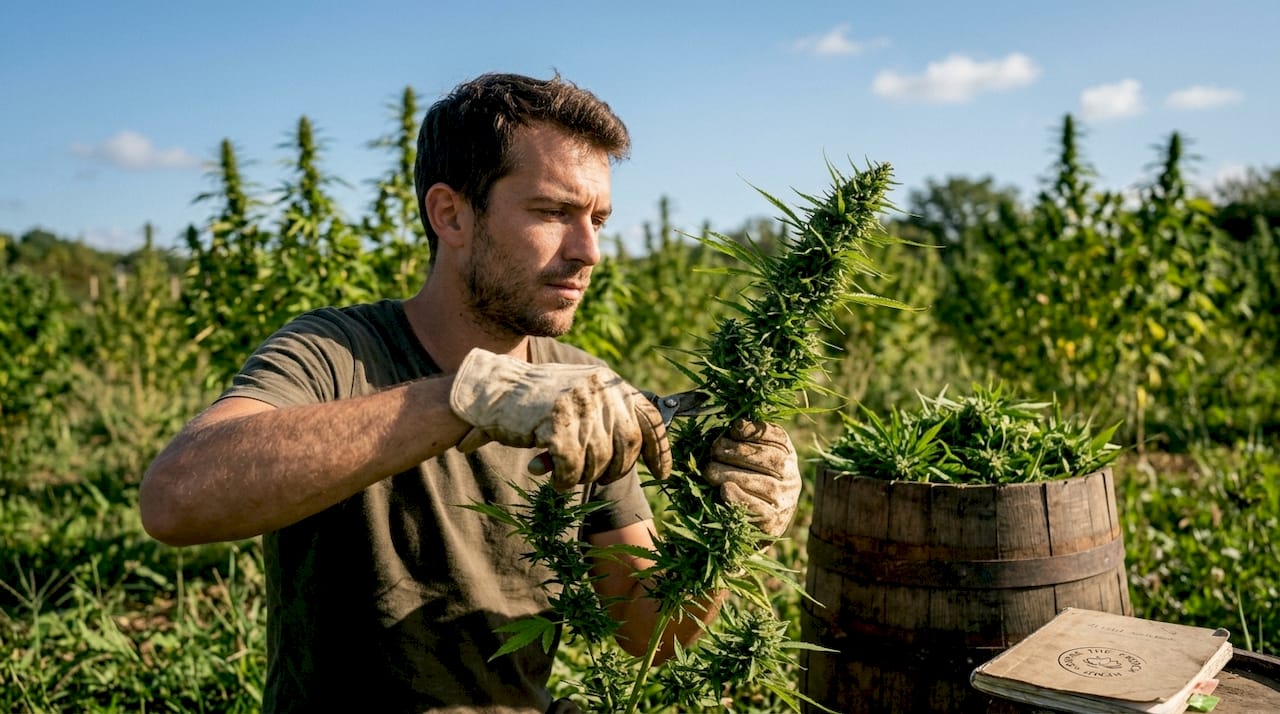
Hybrids result from crosses between Indica and Sativa strains, aiming to combine specific characteristics of each family. Their appeal lies in the ability to obtain targeted effect profiles, such as anxiety relief without excessive drowsiness, or physical relaxation combined with preserved mental clarity. Varieties like Cannatonic and Harlequin illustrate this principle: the former boasts a balanced Indica/Sativa ratio (50/50) with relaxing effects that aren't heavy, while the latter, with its Sativa dominance (75/25), combines mental clarity with physical relief.
| Kind | Perfect moment | Main effects | Typical aromatic profile |
|---|---|---|---|
| Indica | Evening / Night | Relaxation, sleep, muscle relaxation | Earthy, woody, spicy |
| Sativa | Morning / Afternoon | Energy, creativity, concentration | Citrus, floral, fruity |
| Hybrid | End of the day | Body and mind balance | Fruity and herbaceous blend |
- Indica : Northern Lights, OG Kush, Remedy (80/20 indica dominance, pine and lemon aromas)
- Sativa : Amnesia, Harlequin, Charlotte's Web (70/30 sativa dominance, floral and lemony taste)
- Balanced hybrids : Cannatonic, ACDC, Gelato CBD (mild and creamy aromas, balanced effects)
How do terpenes influence the effects and aromas of CBD flowers?
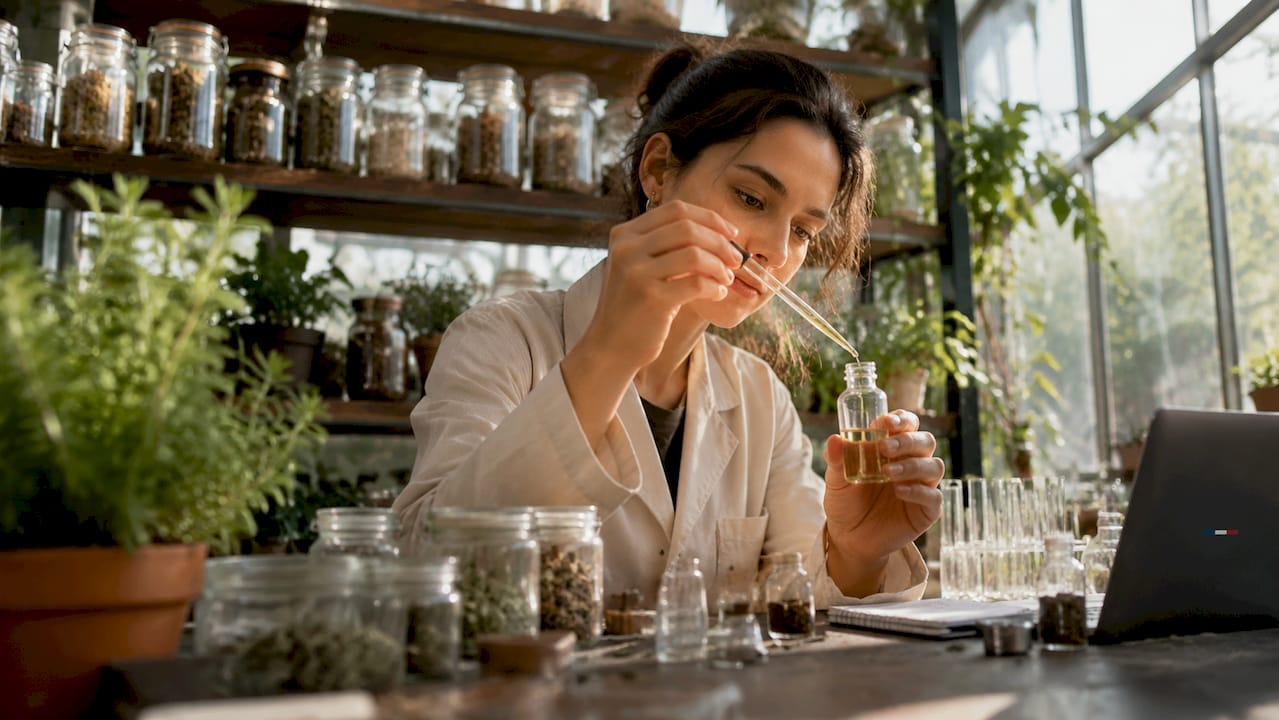
Terpenes are volatile aromatic compounds found in many plants, including hemp. In CBD flowers, they play a crucial role not only in the aroma but also in the physiological effects experienced. Their action works synergistically with cannabinoids, a phenomenon known as the entourage effect: the combination of different compounds in the plant produces effects greater than those of an isolated cannabinoid.
The main terpenes present in CBD flowers and their associated effects:
- Myrcene : earthy and musky aromas, relaxing and sedative effects, often dominant in Indica varieties.
- Limonene : citrus aromas, energizing and mood-boosting effects, common in Sativa strains.
- Pinene : notes of pine and resin, anti-inflammatory properties and stimulating to short-term memory.
- Linalool : floral aromas similar to lavender, anxiolytic and calming effects.
- Caryophyllene : spicy and peppery notes, anti-inflammatory and potentially analgesic action.
Understanding a flower's terpene profile allows you to refine your choice far beyond the simple Indica/Sativa distinction. An Indica variety rich in limonene will produce less sedative effects than an Indica dominated by myrcene. Conversely, a Sativa high in linalool will be more oriented towards calming than stimulating effects. Reading the terpene analyses provided by producers is therefore just as useful as knowing the CBD content.
Pro tip: Vaporize your CBD flowers at a temperature between 160°C and 185°C to preserve the most heat-sensitive terpenes. Above 200°C, a significant portion of these compounds degrades, reducing the aromatic richness and entourage effect.
How to choose your CBD flowers according to your needs and quality criteria?
Choosing a CBD flower variety depends on a combination of objective factors and personal preferences. Clearly identifying your goals is the essential starting point.
Defining your objectives
- Stress and anxiety : favor Indica varieties rich in myrcene, such as Remedy (14–16% CBD) or Northern Lights.
- Sleep : orient towards Indica-dominant genetics with a sedative terpene profile (myrcene, linalool).
- Concentration and daytime activity : choose Sativa or sativa-dominant hybrids, such as Harlequin (12–15% CBD).
- Pain and inflammation : look for high CBD hybrids, such as Harle-Tsu (18–22% CBD), which is rich in caryophyllene and pinene.
Quality criteria to be checked
The quality of CBD flowers can be identified by several concrete indicators. Visually, a quality flower has a dense structure, an abundant covering of crystalline trichomes, and vibrant colors, without any traces of mold or plant residue. In terms of aroma, a complex and persistent bouquet testifies to careful drying and curing.
- Cultivation method : Indoor cultivation produces dense, highly fragrant flowers, considered premium. Greenhouse cultivation offers good value thanks to natural sunlight. Outdoor cultivation yields more robust flowers, suitable for infusions.
- Laboratory analyses : every serious product must be accompanied by a certificate of analysis (COA) issued by an independent laboratory, confirming the CBD level, the THC level below 0.3% and the absence of contaminants.
- Certification and traceability : flowers from European agriculture and compliant with French regulations offer the best guarantees of traceability.
Storage and dosage
CBD flowers should be stored in airtight glass jars, away from light and moisture, to preserve their terpenes and potency. Prolonged exposure to heat or light degrades cannabinoids and alters the aromatic profile.
For dosage, the general rule is to start with small amounts, such as 0.2 g per vaporization session, and then gradually adjust according to the observed effects. Each person reacts differently, and the CBD content of the chosen strain directly influences the intensity of the effects.
Which consumption methods maximize the effects of CBD flowers?
The method of administration determines both the speed of action and the intensity of the effects felt. Three main approaches apply to CBD flowers, each with its own characteristics.
- Vaporization : the recommended method for preserving terpenes and achieving rapid bioavailability of cannabinoids. It avoids the harmful effects of combustion on the respiratory system. Dedicated vaporizers allow for precise temperature control, which is crucial for the aromatic experience and effectiveness.
- Infusion with fat : Cannabinoids are fat-soluble, meaning they are better absorbed in the presence of fat. Preparing an infusion with whole milk or cream improves the bioavailability of CBD compared to an infusion in water alone. The effects are more gradual and longer-lasting than with vaporization.
- Culinary use : Incorporating CBD flowers into culinary preparations (infused butter, flavored oils) allows for discreet consumption and prolonged effects. Cooking heat should remain moderate to avoid degrading the terpenes.
- Combustion : strongly discouraged. Combustion destroys a large portion of the terpenes and active cannabinoids, while also producing compounds harmful to the respiratory system. This method offers no advantage over vaporization.
The choice of consumption method should also take into account the desired objective: vaporization is suitable for rapid action (managing occasional stress, helping with sleep), while infusion or cooking are better suited to regular and prolonged use.
What French expertise guarantees the quality of CBD flowers in 2026?
The regulatory compliance of CBD flowers sold in France is based on a precise legal framework, the fundamental requirement of which is respecting the THC threshold of less than 0.3%. Since the legalization of CBD flowers in December 2022, this threshold has been verified by independent laboratory analyses, which constitute the primary guarantee for the consumer.
French and European standards govern the entire production chain, from seed selection to distribution. Cultivated varieties must be on the list of hemp varieties authorized by the European Union, and each batch sold must be accompanied by a certificate of analysis attesting to its conformity. The conformity and CBD quality guaranteed by Thefrenchhempempire are in line with this principle: each product offered undergoes rigorous analytical testing before being put on sale.
The cultivation methods favored by reputable European producers include organic farming, indoor growing, and greenhouse cultivation, which allow for precise control of growing conditions and ensure consistent terpene profiles. Traceability of origin, from cultivation to sale, is a key selection criterion for consumers concerned about the quality of what they consume.
The impact of this regulatory rigor on the consumer experience is direct: a compliant flower, properly analyzed and grown under controlled conditions, offers predictable and reproducible effects, without the risk of exposure to pesticide residues or non-compliant THC levels. To better understand the differences between cannabinoids present in flowers, the distinctions between CBD, CBG, and CBN deserve particular attention, especially for consumers looking to refine their selection based on specific effects.
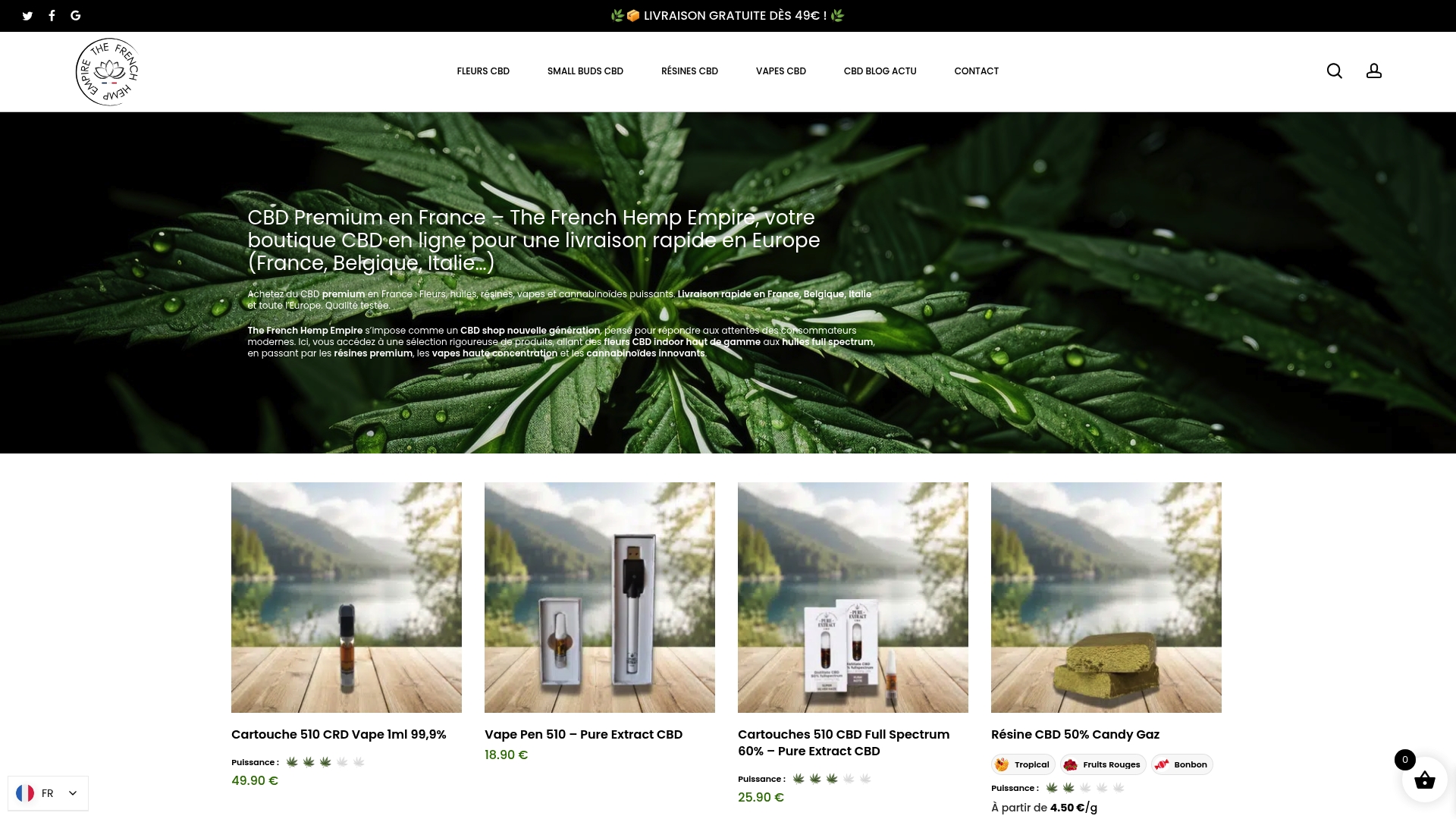
Thefrenchhempempire offers a selection of legal CBD flowers from controlled European cultivation, accompanied by certificates of analysis from independent laboratories. Each variety is chosen for its rich terpene profile and strict compliance with the legal THC limit of less than 0.3%, with discreet delivery throughout Europe.
Key points
The different types of CBD flowers and their effects depend primarily on the genetics of the variety, its terpene profile, and the method of consumption chosen.
| Point | Details |
|---|---|
| Three genetic families | Indica (relaxation), Sativa (stimulation), hybrids (targeted balance according to the ratio). |
| Role of terpenes | Myrcene, limonene, linalool and caryophyllene modulate the effects independently of the variety. |
| Legal compliance | All legal CBD flowers in France contain less than 0.3% THC, controlled by a certificate of analysis. |
| Consumption method | Vaporization preserves terpenes and offers rapid bioavailability; infusion with fat prolongs the effects. |
| Quality criteria | Abundant trichomes, complex aroma, certificate of analysis and traceable European origin are reliable indicators. |