A high concentration of CBD produces significantly more pronounced effects than a standard dosage, ranging from deep relaxation to pronounced drowsiness, and even digestive or psychological side effects depending on individual sensitivity. Understanding these sensations is the first step towards making informed adjustments to your consumption.
The main effects experienced with high doses of CBD are as follows:
- Intense relaxation : more pronounced muscular and mental calming than with low concentrations.
- Drowsiness : a common sedative effect, particularly with 30–40% oils or 50% resins.
- Anxiety relief : noticeable reduction in stress, although excessive doses may paradoxically worsen anxiety in some people.
- Possible side effects : nausea, headaches, excessive fatigue, digestive problems.
- Individual variability : the same product can produce very different sensations depending on metabolism, body weight and prior experience with CBD.
The concept of "high concentration" encompasses very different realities depending on the product form. CBD flowers generally have a concentration between 5% and 20%, oils between 5% and 40%, resins up to 50%, and CBD crystals can reach a purity of 99% cannabidiol. Therefore, a highly concentrated oil represents a high dose with each intake, and the effects felt are proportionally amplified.
What symptoms appear with high-concentration CBD?
The adverse effects associated with an excessively concentrated dose of CBD are documented and recognizable. They fall into two main categories.
Physical symptoms:
- Excessive fatigue and a feeling of heaviness in the body.
- Headaches, sometimes accompanied by dizziness.
- Nausea and digestive discomfort, especially when taken on an empty stomach.
- Marked drowsiness, often the most reported sign in case of overdose.
Psychological symptoms:
- Paradoxical anxiety or a feeling of oppression, the opposite of the desired calming effect.
- A feeling of heaviness in the head or slight confusion.
- Difficulty concentrating, particularly when taken in the morning at a high dose.
Drowsiness deserves special attention: it occurs frequently and can be a warning sign to reduce the dose. According to available data, no CBD overdose has resulted in death, but the bothersome symptoms are real and warrant a prompt adjustment of the dosage. The method of consumption also influences the onset of these effects: vaporization or inhalation triggers them more quickly than ingesting an oil or capsule.

Why might CBD seem too strong for some people?
Two products with the same CBD content can produce very different effects. Several factors explain this disparity.
- Individual sensitivity and metabolism : some people metabolize cannabinoids more slowly, which prolongs and intensifies the effects. Body weight, age, and history of use play a determining role.
- Overall chemical composition of the product : the presence of terpenes and other cannabinoids significantly alters the effects experienced, a phenomenon known as the entourage effect. A full spectrum product acts differently from a pure isolate, even at the same concentration.
- Quality and purity : a poorly purified product may contain traces of THC exceeding the legal threshold of 0.3%, generating unwanted psychoactive effects. The quality of the CBD purchased is the only factor guaranteeing sufficient purification, as the French National HealthAssurance Maladie.
- Method of administration : the inhalation route amplifies the speed and intensity of the effects compared to ingested oils or resins.
- Drug interactions : CBD alters the blood concentration of certain drugs, including antiepileptics and immunosuppressants, which can amplify or unbalance the effects felt.
How does the context of intake influence the perceived effects?
The timing and conditions under which CBD is consumed strongly influence the intensity of the experience, regardless of the product's concentration.
- Time of day : taking it in the evening promotes the sedative effect and relaxation, while taking it in the morning at a high dose can induce bothersome drowsiness and impair concentration.
- Dietary considerations : Consuming CBD on an empty stomach accelerates its absorption and can amplify its effects, including digestive side effects. Taking it after a high-fat meal slows absorption but may increase bioavailability.
- Method of administration : Smoking or vaping concentrated CBD amplifies the speed and intensity of the effects compared to oils or resins. CBD resins and vapes act faster than sublingual oils, whose effects develop gradually over 30 to 90 minutes.
- Tolerance developed : regular consumption tends to mitigate some side effects such as drowsiness, with chronic users generally reporting better tolerance to high doses.
- Combination with other substances : alcohol or certain medications can interact with CBD and significantly alter the overall experience.
How to adjust the dosage when the effects are too intense?
When high concentrations of CBD produce effects that are difficult to manage, several practical adjustments can help restore balance.
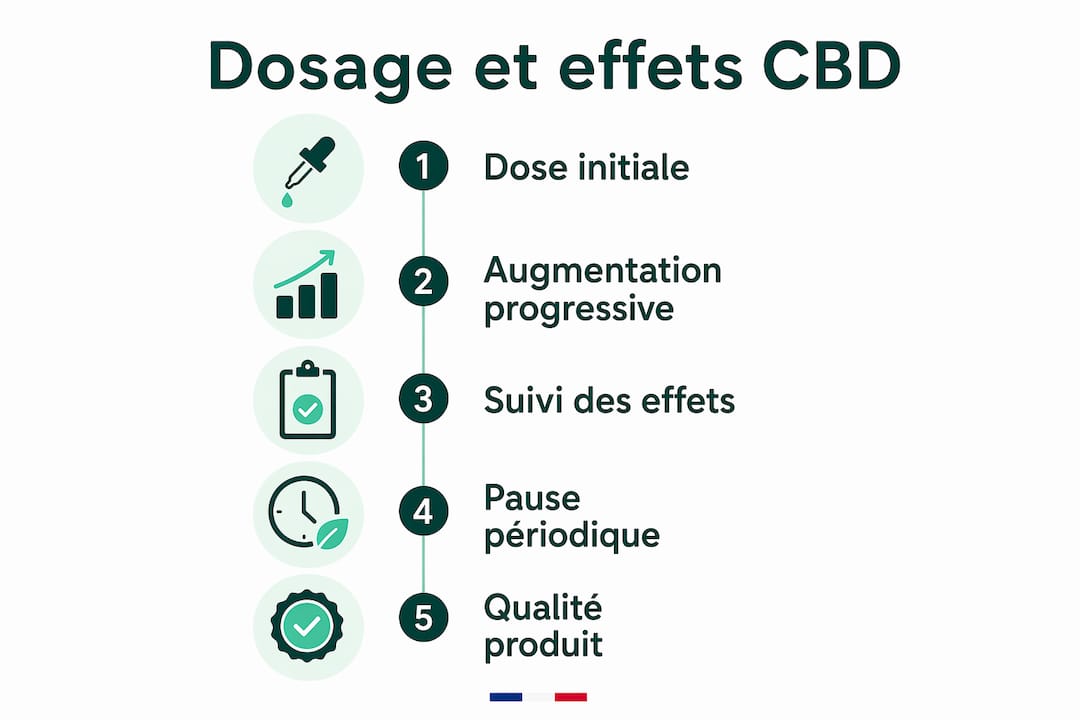
- Start with low doses : any introduction of a highly concentrated product should begin with the minimum recommended dose, regardless of prior experience with lower concentrations.
- Gradual increase : reducing or splitting the dose allows you to adjust how you feel without losing the beneficial effects. An increase in two-week increments is generally recommended.
- Splitting the doses : dividing the daily dose into two or three doses spread throughout the day reduces plasma peaks and limits side effects.
- Changing the form of the product : if a 30% oil causes too strong an effect, switching to a concentration of 10% or 15% may be enough to regain the desired comfort.
- Keeping a consumption log : noting the dose, the time of intake and the effects felt allows for quick identification of the optimal dosage for each profile.
- Consult a healthcare professional before making any dosage changes if you are currently taking medication, especially for medications with a narrow therapeutic index.
Pro tip: If daytime sleepiness occurs with an oil of 20% or more, reducing the morning dose by half is often enough to eliminate this effect while retaining the nighttime benefits.

What safety precautions and quality criteria apply to highly concentrated CBD products?
Consuming high-concentration CBD requires increased vigilance on several regulatory and quality points.
- Prior medical consultation : CBD is a psychoactive substance that may interfere with antiepileptic and immunosuppressant medications. Consulting a healthcare professional is essential before any use, especially in cases of chronic treatment.
- Independent laboratory analyses : only products accompanied by third-party certificates of analysis guarantee compliance with THC levels and the absence of contaminants. The quality of the analyses and traceability are non-negotiable criteria for high concentrations.
- Compliance with the legal THC limit : all CBD products sold in France must have a THC content of 0.3% or less, in accordance with European and French regulations. A poorly purified product may contain excessively high levels of THC, with legal consequences during a roadside check, as confirmed by the Criminal Chamber of the Court of Cassation in a ruling dated June 21, 2023.
- Risk of synthetic cannabinoids : products containing HHC, H4-CBD or other synthetic cannabinoids classified as narcotics by the ANSM since 2023 can cause serious effects, including hallucinations or epileptic seizures.
- Recommended daily dose : outside of a therapeutic context, it is best not to exceed 50 mg of CBD per day, according to available safety data.
Thefrenchhempempire applies these standards to its entire range: each product is accompanied by independent laboratory analyses, with complete traceability of origin and strict compliance with the 0.3% THC threshold. For an overview of precautions to take with highly concentrated CBD products, Thefrenchhempempire's 2026 safety guide details the essential points to be aware of.
How long do the effects of high-concentration CBD last?
The duration of effects varies depending on the route of administration and the concentration of the product, but general trends emerge.
When inhaled (vaporized or vaporized), the effects of concentrated CBD take effect within minutes and generally last between 1 and 3 hours. This rapid onset of action explains why side effects, such as drowsiness or dizziness, also appear more quickly with this method.
With a highly concentrated sublingual oil, absorption begins under the tongue within 15 to 45 minutes, and the effects can last for 4 to 6 hours. Resins and edibles, which pass through the digestive system, have a longer onset of action, sometimes 1 to 2 hours, but their effects tend to last longer, up to 6 to 8 hours in some cases. This extended duration is a factor to consider before any activity requiring alertness or driving a vehicle.
What are the risks of excessive CBD consumption?
Overconsumption of CBD does not present a documented life-threatening risk, but its side effects can be significantly bothersome and warrant serious attention.
The most frequently reported side effects of excessive doses include severe drowsiness, dizziness, nausea, and digestive upset. At very high doses, paradoxical anxiety or mild confusion may occur, contrary to the desired effects. These effects are reversible and generally disappear with dose reduction.
The main risk remains that of a poor-quality product containing a THC level exceeding the legal limit or undeclared synthetic cannabinoids. In these cases, the symptoms can be significantly more serious: hallucinations, loss of consciousness, suicidal behavior, or epileptic seizures, as reported by the French National Health Insurance. Vigilance regarding the origin and certification of products is therefore the first line of defense against these risks.
Isolate, full spectrum, broad spectrum: what are the effects depending on the form of CBD?
The form of CBD influences both the sensation and the concentration itself. These three categories produce distinct experiences.
CBD isolate is the purest form, reaching up to 99% cannabidiol with no other cannabinoids or terpenes. The effects are predictable and consistent, without the entourage effect. It's the most suitable form for those wishing to avoid any contact with THC, but the absence of terpenes may reduce the overall intensity of the experience compared to full-spectrum extracts.
Full spectrum CBD contains all the cannabinoids and terpenes naturally present in the plant, including traces of THC below 0.3%. The entourage effect amplifies the properties of CBD, generally producing a richer and more nuanced experience. For sensitive users, this synergy can also intensify side effects at high concentrations.
Broad-spectrum cannabis occupies an intermediate position: it retains terpenes and the majority of cannabinoids, but THC is eliminated or reduced to undetectable traces. The experience is more complete than with an isolate, while limiting THC exposure. For consumers wishing to benefit from the entourage effect without the risks associated with THC, high-concentration broad-spectrum cannabis often represents the best compromise.
How to gradually introduce high concentrations of CBD?
Switching abruptly from a standard product to a high-dose CBD product exposes you to avoidable side effects. A gradual approach reduces this risk.
The basic rule is to start with the lowest possible dose of the new product, even if the previous concentration was already moderate. For example, a user accustomed to a 10% oil who is switching to 30% should start with a single drop and then observe the effects for 48 to 72 hours before increasing the dose. This observation period allows for an assessment of the individual response without overloading the body.
The increase should be gradual, in small increments spaced at least one week apart. Keeping a record of doses and how you feel helps identify the optimal dose. If adverse effects occur at a given level, return to the previous level for another week before trying again. People taking medication must consult their doctor before increasing the concentration, due to potential drug interactions with CBD.
What impact do high concentrations of CBD have on long-term tolerance?
Regular consumption of high-concentration CBD gradually alters the body's response, without inducing physical dependence in the pharmacological sense of the term.
Over time, side effects such as drowsiness tend to lessen in chronic users, as the body adapts to the regular presence of cannabidiol. This adjustment may lead some users to increase their dose to regain the initial effects, a tolerance mechanism that warrants monitoring. The MILDECA (Interministerial Mission for the Fight against Drugs and Addictive Behaviors) reiterates that CBD does not cause addiction, unlike THC, but current scientific research indicates that data on the effects of prolonged use at high doses remains incomplete.
A periodic break of a few days, sometimes called a "cannabinoid break," allows sensitivity to reset and maintains the effectiveness of a given concentration without continuously increasing the dose. This practice is particularly relevant for users who consume CBD daily at concentrations above 20%.
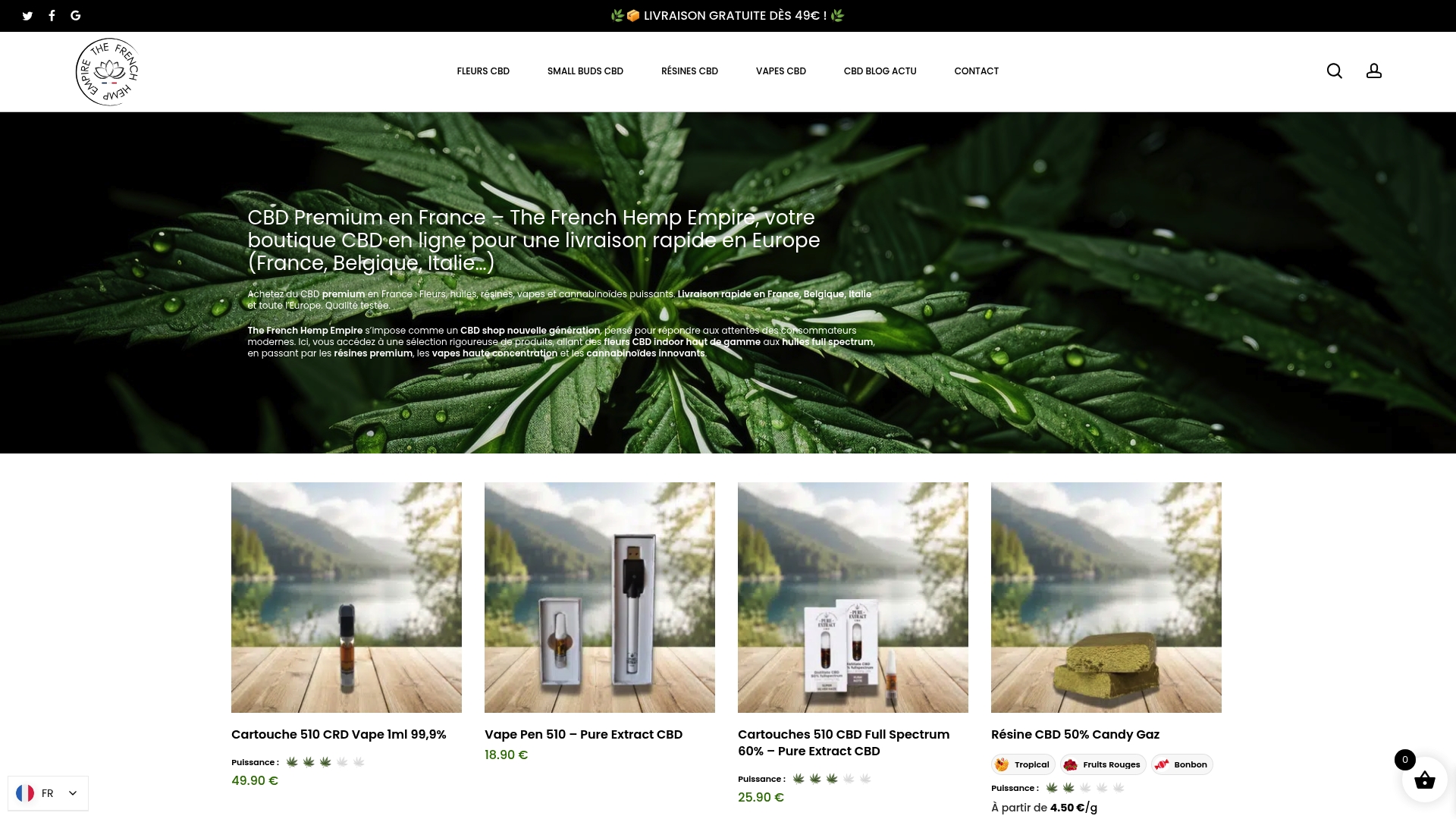
Thefrenchhempempire offers a selection of high-concentration CBD products, all accompanied by independent certificates of analysis and compliant with French and European regulations. From CBD resins up to 50% to CBD vapes , each product is traceable from cultivation to delivery. For consumers wishing to approach high concentrations safely, Thefrenchhempempire's 2026 safety guide details essential selection criteria and precautions for use.
Key points
A high concentration of CBD produces amplified effects whose intensity depends on the form of the product, the method of administration, and individual sensitivity, making a gradual and documented approach essential for safe use.
| Point | Details |
|---|---|
| High concentration threshold | Oils at 30–40% and resins up to 50% are considered highly dosed; crystals reach 99%. |
| Common side effects | Drowsiness, nausea, headaches and paradoxical anxiety are the most reported signs in case of excessive dose. |
| Reference daily dose | Outside of a therapeutic context, do not exceed 50 mg of CBD per day according to available safety data. |
| Quality and legal compliance | The THC level must remain less than or equal to 0.3%; only independent laboratory analyses guarantee this. |
| A gradual approach is recommended | Start with the minimum dose and increase in one-week increments to identify the optimal dosage without adverse effects. |