


Highly concentrated CBD is a cannabidiol extract with a content frequently exceeding 60%, obtained through processes such as supercritical CO2 extraction. This high potency requires strict precautions: the EFSA sets a provisional daily intake of approximately 2 mg per day for an adult, a very low threshold compared to the concentrations available on the market. Minors, pregnant women, and breastfeeding mothers should not consume concentrated CBD due to the development of the endocannabinoid system. An overdose or a poor-quality product can cause significant adverse effects. Therefore, understanding the guidelines for use is essential before taking any product.
1. What are the essential precautions for dosing highly concentrated CBD?
Dosage is the first precaution to take with a CBD concentrate. Starting with 5 to 10 mg per day and gradually increasing the dose based on observed effects is the safest method. This gradual approach allows you to identify your individual tolerance threshold without risking an overdose.
Potent concentrates require appropriate measuring tools. A precision scale or a graduated dropper prevents dosing errors, which, with an extract of 60% or higher, can quickly become significant. An error of half a gram in a pure CBD crystal represents several hundred milligrams of cannabidiol.

An overdose of concentrated CBD can cause drowsiness, nausea, severe fatigue, and dizziness. While not fatal, these effects impair quality of life and often discourage those who could have benefited from responsible use. Consulting a healthcare professional is strongly recommended before starting, especially if you are currently taking medication.
Pro tip: Keep a daily log. Note the dose, time, form of the product, and effects experienced. After two weeks, you'll have an objective baseline to adjust your intake.
2. How to recognize a quality CBD concentrate?
The quality of a CBD concentrate directly determines its safety. Products certified by an independent third-party laboratory offer a guarantee of the actual cannabidiol content, the absence of solvent residues, and compliance with the legal THC threshold. This threshold, set at 0.3% by European regulations, is a non-negotiable condition for the product's legality.
Two extraction methods dominate the concentrates market:
- Supercritical CO2 extraction: the reference method, without chemical residue, preserving natural terpenes and cannabinoids.
- Solvent extraction (ethanol, butane): less expensive, but likely to leave chemical traces if the purification process is insufficient.
- Certificate of Analysis (COA): document provided by a third-party laboratory, indicating the exact content of CBD, THC, and the absence of contaminants.
- Organic and bio labels: guarantee the absence of pesticides in the plant-based raw material.
- Seller traceability: an identified merchant, with a physical address and a transparency policy, reduces the risks associated with fraudulent products.
| Criteria | Supercritical CO2 extraction | Solvent extraction |
|---|---|---|
| Chemical residues | None | Possible if purification is insufficient |
| Preservation of terpenes | High | Variable |
| Production cost | Higher | Further down |
| Purity Guarantee | Maximum | Depends on the manufacturer |
Pro tip: An unusually low price for a CBD concentrate should raise a red flag. The cost of supercritical CO2 extraction and lab testing is inevitably reflected in the final price of a reliable product.
The quality and traceability of a CBD concentrate should be verified before purchase, not after. Buying from identified sellers with a physical address and certificates accessible online remains the most effective protection against non-compliant products.
3. What side effects and interactions should be monitored with concentrated CBD?
The side effects of concentrated CBD are dose-dependent. At high doses, the most common effects include:
- Marked fatigue and drowsiness
- Dry mouth
- Nausea and digestive problems
- Dizziness, especially during the first few doses
- Changes in appetite
The risk of drug interactions is the most underestimated point by consumers. CBD inhibits certain enzymes of the CYP450 system, which are responsible for the metabolism of many medications. This inhibition can increase or decrease the plasma concentration of a treatment, making its effect unpredictable. Anticoagulants, antiepileptics, and some antidepressants are particularly affected.
Health authorities strongly advise against CBD consumption for minors, pregnant women, and breastfeeding mothers. The endocannabinoid system plays a central role in neurological development, and any disruption caused by exogenous cannabinoids presents an unassessed risk to these populations.
Signs of severe CBD intoxication are rare but do exist. Tachycardia, hallucinations, or seizures may occur in extreme cases. These symptoms warrant immediate medical attention. A healthcare professional should be consulted before taking concentrated CBD if you have a history of medical conditions or are undergoing chronic treatment.
4. How to adapt the use of highly concentrated CBD according to one's needs?
CBD concentrates come in several forms, each suited to different purposes and methods of administration:
- Concentrated oils: sublingual administration for rapid absorption, dosage made easy by the dropper.
- CBD resins: traditional use, often vaporized or incorporated into a food preparation; cannabinoid content varies depending on the variety.
- Pure CBD crystals: the most concentrated form (up to 99%), requiring precision scales; dilute before use.
- CBD vape cartridges: inhalation with rapid effect, dosage difficult to control precisely; full spectrum 60% cartridges offer a complete cannabinoid profile.
- Topical application: creams or balms based on concentrate, without systemic effect, suitable for localized pain.
The timing of intake directly influences the experience. Taking CBD is not recommended before driving or operating machinery due to the risk of drowsiness. For stress management or sleep improvement, evening intake is generally better tolerated. For managing chronic pain during the day, a low morning dose, gradually increased, helps maintain alertness.
Listening to your body's signals remains the best indicator for adjusting the dosage. If a dose causes excessive fatigue or nausea, halving it at the next dose is the appropriate response. Concentrated CBD does not require high doses to be effective: individual tolerance varies considerably from person to person, and some users achieve satisfactory results with doses far below the observed average.
For beginners, starting with a less concentrated form, such as premium CBD flower or a low-percentage oil, allows them to establish a personal baseline before moving on to potent extracts. This progression reduces the risk of adverse effects and makes it easier to identify the minimum effective dose.
Key points
The safe use of highly concentrated CBD relies on gradual dosing, verification of third-party analysis certificates, and consultation with a healthcare professional in case of drug treatment.
| Point | Details |
|---|---|
| Gradual dosage | Start at 5–10 mg per day and increase according to the effects observed. |
| COA Verification | Demand a third-party certificate of analysis before purchasing any CBD concentrate. |
| Drug interactions | Consult a doctor if you are taking medications metabolized by CYP450. |
| populations at risk | Minors, pregnant women and breastfeeding women should not consume concentrated CBD. |
| Choosing a time slot | Avoid taking it before driving; prefer to take it in the evening for its sedative effects. |
My opinion on the responsible use of highly concentrated CBD
What strikes me most in the feedback on concentrated CBD is the almost systematic underestimation of individual variability. Two people of the same build, with the same goals, can react radically differently to the same dose. This reality makes generic recommendations inadequate.
In my opinion, ongoing education on the subject is more protective than any regulation. A consumer who understands how the endocannabinoid system naturally makes better dosage decisions. Haste, often driven by excessive expectations, is the primary cause of negative experiences.
The tangible benefits of CBD concentrate, when used correctly, are real: stress management, improved sleep quality, and relief from certain chronic pains. However, these benefits only appear with methodical and patient use. Uncertified products or excessive dosage recommendations are warning signs that should never be ignored. Consulting a healthcare professional is not a mere formality; it is the most rational decision for anyone considering regular use of potent concentrates.
— Vanessa
Thefrenchhempempire's CBD concentrates: guaranteed quality and traceability
Thefrenchhempempire selects its CBD concentrates according to strict criteria: accessible third-party certificates of analysis, compliance with the legal THC limit of 0.3%, and complete traceability of origin. Each product is tested in an independent laboratory before being offered for sale.
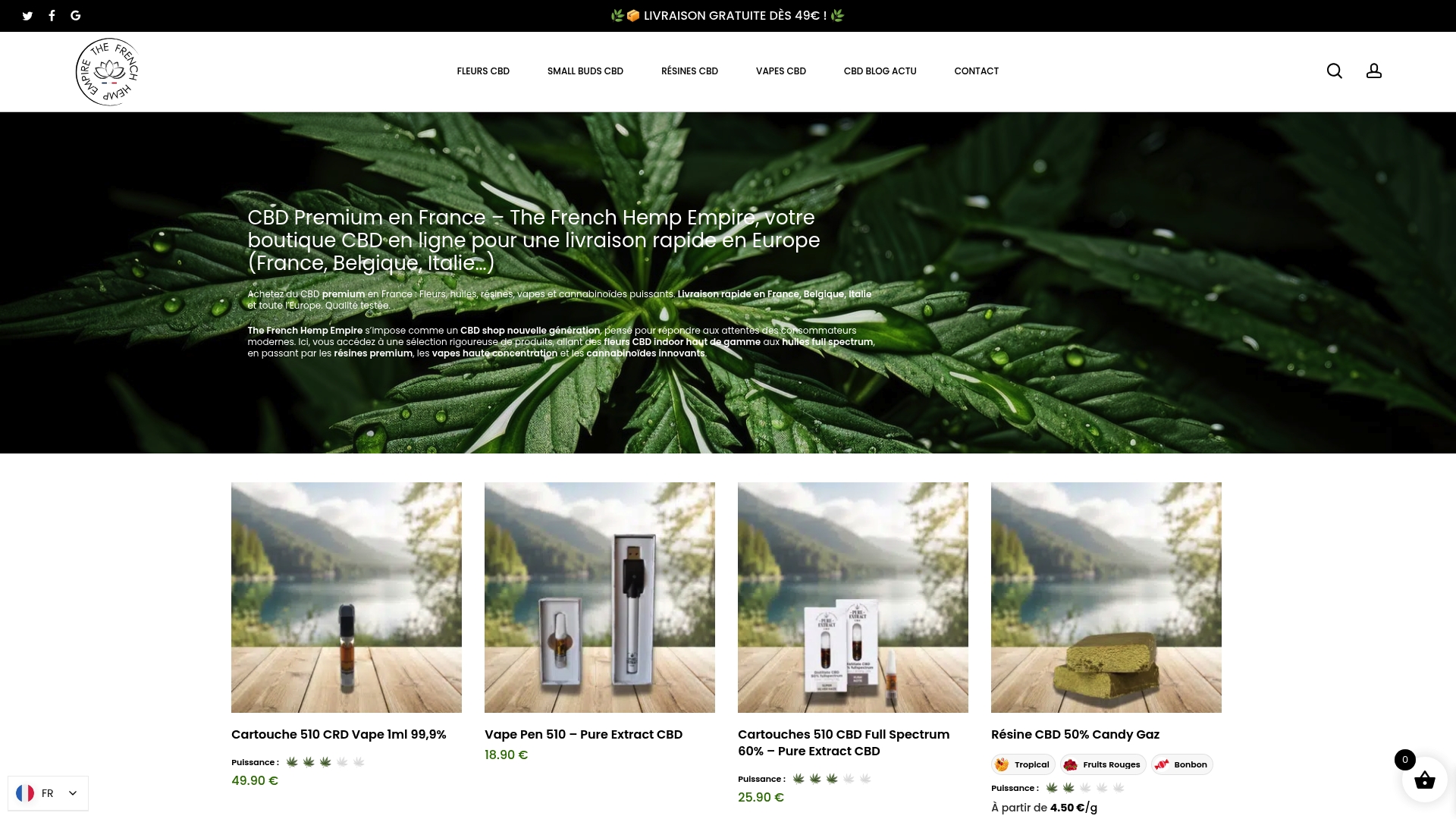
The range of CBD resins covers various concentration profiles, suitable for both beginners and experienced users. For those who prefer precise dosing via inhalation, CBD vapes offer controlled formats with certified full-spectrum extracts. Thefrenchhempempire's customer service team assists each customer in choosing the product best suited to their needs and experience level, with discreet delivery throughout Europe.
Frequently Asked Questions
What dose of concentrated CBD is safe to start with?
Starting with 5 to 10 mg per day is the standard recommendation for a beginner. EFSA sets a provisional safe daily intake of approximately 2 mg per day for an adult, illustrating the caution required with potent extracts.
Is highly concentrated CBD legal in France?
CBD concentrate is legal in France and Europe provided it does not exceed 0.3% THC and complies with applicable local regulations. Checking the product's certificate of analysis allows you to verify this before purchasing.
Can concentrated CBD interact with medications?
Yes. CBD inhibits CYP450 enzymes involved in the metabolism of many medications, which can alter their effectiveness or toxicity. Prior medical consultation is essential if you are currently taking any medication.
How to check the quality of a CBD concentrate?
Requiring a Certificate of Analysis (COA) issued by an independent third-party laboratory is the most reliable method. This document confirms the CBD content, the THC level, and the absence of contaminants such as solvent residues or heavy metals.
Is it safe to drive after taking highly concentrated CBD?
No. Taking concentrated CBD can cause drowsiness and impaired alertness, making driving dangerous. Scheduling doses outside of driving or operating machinery is a crucial precaution.
Recommendation
- CBD: Definition, effects, legality, and a complete guide to cannabidiol – The French Hemp Empire
- CBD resins and legal CBD hash – The French Hemp Empire
- CBD vs THC: Differences, effects, legality, and points to consider – The French Hemp Empire
- CBD gets you high without illegal THC: what the law says


