CBD does not produce the "high" associated with THC. This distinction is based on a precise pharmacological fact: cannabidiol has a very low affinity for CB1 receptors in the brain, with a Ki value of approximately 4,350 nm, whereas THC binds to these receptors with a much higher affinity and produces the characteristic euphoria. In France, legal CBD products are derived from Cannabis sativa whose THC content does not exceed the regulatory threshold for low levels, thus excluding any narcotic effect as defined by law.
Three key points to remember immediately:
- CBD does not cause intoxication or addiction, unlike THC, according to drogues.gouv.fr.
- Non-intoxicating psychoactive effects remain possible (mild sedation, drowsiness), which requires particular caution when driving.
- The safety of a product depends on its traceability : an independent certificate of analysis (COA) per batch is the minimum verification to require before any purchase.
Table of Contents
- What is the difference between "psychoactive" and "psychotropic"?
- How does CBD act on the brain without causing intoxication?
- What real effects can be expected from CBD?
- Why do some people feel nothing with CBD?
- What are the side effects and interactions to be aware of?
- What is the legal status of CBD in France and Europe in 2026?
- How can you verify that a CBD product is truly safe and compliant?
- How does Thefrenchhempempire guarantee compliance and traceability?
- Practical usage advice: dosage, storage and when to consult
- Key points
- Transparency as a prerequisite
- Compliant, traceable and verifiable CBD products
- Official sources and references for further reading
What is the difference between "psychoactive" and "psychotropic"?
These two terms are often confused in public communication, even though they cover distinct realities.
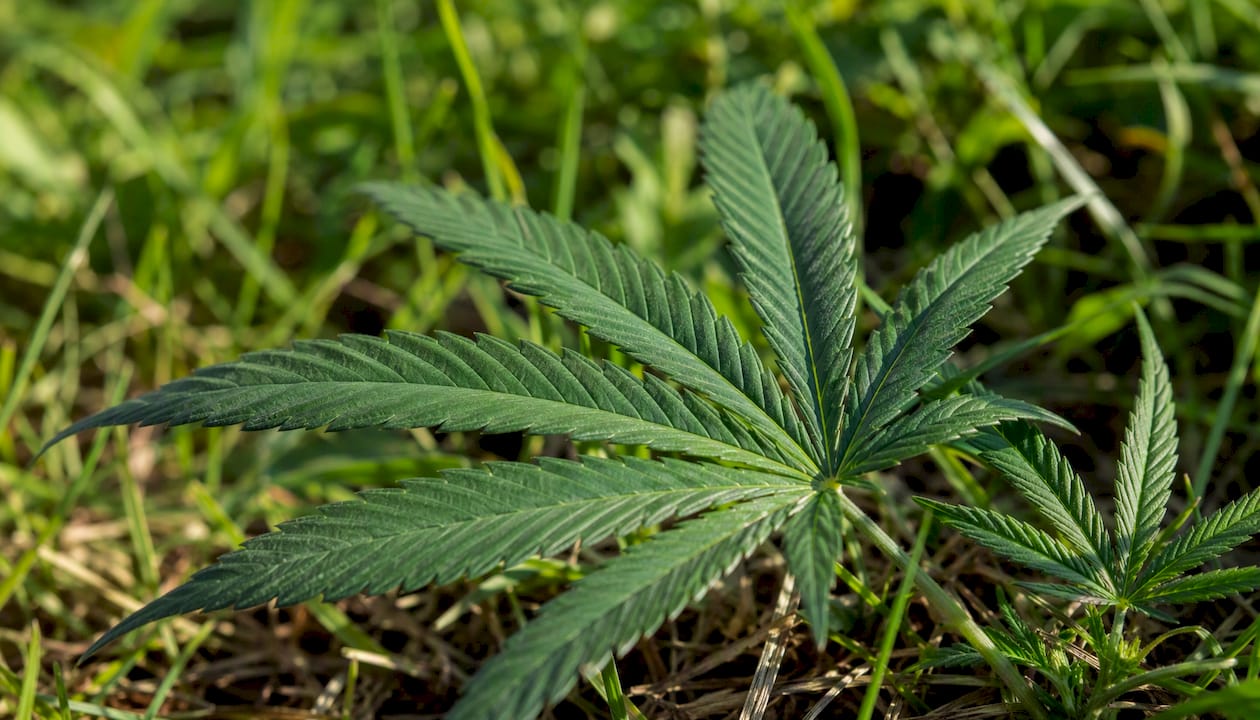
A psychoactive substance alters brain function, whether it results in mild sedation or pronounced euphoria. Caffeine, for example, is psychoactive. CBD falls into this category broadly: it acts on the central nervous system, but without altering consciousness or causing intoxication.
A psychotropic substance , in the clinical and legal sense adopted by the ANSM (French National Agency for Medicines and Health Products Safety) and Inserm (French National Institute of Health and Medical Research), is a molecule that profoundly alters the state of consciousness, can induce dependence, and has the potential for abuse. THC meets this definition: it produces dose-dependent euphoria, alters perception, and can lead to psychological dependence. The French Council of State, in its case law on CBD flowers, has confirmed that products with THC ≤ 0.3% cannot automatically be classified as narcotics, precisely because they do not possess these psychotropic properties.
CBD is therefore psychoactive in the modulating sense of the term, but not psychotropic in the regulatory and clinical sense. This distinction is fundamental to understanding its legal status in France.
How does CBD act on the brain without causing intoxication?
The central mechanism lies in the pharmacology of cannabinoid receptors. THC binds directly to CB1 receptors, concentrated in brain areas associated with reward, memory, and motor coordination, thus producing the euphoric effect. CBD, on the other hand, has a very low affinity for these same CB1 receptors (Ki ≈ 4,350 nm), meaning that it does not activate them significantly.
Its effects are achieved through other channels:
- Modulation of 5-HT1A (serotonin) receptors : Inserm documents this action, which contributes to the potential anxiolytic effects of CBD without causing alteration of consciousness.
Key data: The Ki value of CBD for the CB1 receptor is approximately 4,350 nm, compared to a much higher affinity for THC. The higher the Ki, the lower the affinity: therefore, CBD does not activate CB1 receptors in a way comparable to THC.
Specifically, the expected effects are anxiety reduction, mild sedation, and possible pain relief, without euphoria or perceptual distortion. Caution is still advised when driving, as drowsiness is a documented side effect.
What real effects can be expected from CBD?
The available clinical data show modest and heterogeneous results. A review published on PubMed Central summarizes the existing literature: studies on anxiety, sleep, and pain report positive effects in some contexts, but the methodological quality varies considerably from one study to another, and several conclusions remain contradictory.
The best-established effect to date is its anticonvulsant action: the drug Epidyolex, based on purified CBD, has marketing authorization for certain forms of refractory epilepsy. Beyond this specific medical indication, the evidence remains insufficient to validate health claims as defined by European regulations.
TheSafety Authority (EFSA) is keeping its Novel Food assessments on hold due to insufficient data on the safety of CBD as a food ingredient. The European Commission's technical document on CBD toxicology highlights persistent methodological uncertainties. These institutional reservations suggest that the expected benefits, particularly for ingestible products, should not be overestimated.
The risk of over-interpretation is real: a consumer who expects a strong therapeutic effect based on marketing communications may be disappointed, or even wrongly substitute CBD for medical treatment.
Why do some people feel nothing with CBD?
The absence of a perceived effect is common and can be explained by several cumulative factors. Before concluding that CBD is ineffective, it is worthwhile to examine each of these points.
- Insufficient dosage — effective doses vary depending on weight, metabolism, and individual sensitivity. Starting with too low a dose is the most common cause of a lack of effect.
Pro tip: Note the onset of action depending on the chosen route: approximately 15 to 45 minutes sublingually, 1 to 2 hours orally, and a few minutes by spray. If no effect is observed after several weeks of increasing dosage, check the product's Certificate of Analysis (COA) and consider switching to a different formulation before concluding that it is ineffective.
What are the side effects and interactions to be aware of?
CBD is not without side effects. The most frequently reported are drowsiness, dry mouth, digestive issues (diarrhea, changes in appetite), and mild hypotension. These effects are generally dose-dependent and reversible upon discontinuation.
The issue of drug interactions deserves special attention. CBD inhibits or induces certain cytochrome P450 enzymes (notably CYP3A4 and CYP2C9), which metabolize many common medications. Potential interactions have been identified with anticoagulants (warfarin), antipsychotics, antiepileptics, and some immunosuppressants. Anyone undergoing chronic treatment should inform their doctor before using CBD, including in non-food forms. For high-concentration products, Thefrenchhempempire's safety guide details specific precautions.
Three populations require increased vigilance:
- Pregnant or breastfeeding women — safety data are insufficient; use is not recommended.
This article provides general information and does not constitute medical advice. For any questions specific to your personal situation, consult a healthcare professional.
What is the legal status of CBD in France and Europe in 2026?
The French legal framework clearly distinguishes between product categories, and the 2026 changes have reinforced this segmentation.
General principle
CBD extracted from Cannabis sativa , with a THC content of ≤ 0.3% in the finished product, is legal in France. The Council of State overturned the decree that prohibited the sale of flowers and leaves with low THC content, confirming that they cannot automatically be classified as narcotics. The complete legal framework is detailed in Thefrenchhempempire's regulatory guide.
Status by product category in 2026
| Product category | Status in France (2026) | Main condition |
|---|---|---|
| CBD Flowers and Leaves | Authorized for sale | THC ≤ 0.3% in finished product, authorized variety |
| CBD Resins | Authorized for sale | THC ≤ 0.3%, documented traceability |
| CBD e-liquids / vapes | Authorized for sale | THC ≤ 0.3%, vape product compliance |
| CBD cosmetics | Allowed | For declared cosmetic use only, not for food |
| Inedible oils / foodstuffs | Prohibited as a food product | Novel Food status not validated by EFSA |
| CBD food supplements | Prohibited as a food product | Same Novel Food pattern |
The Ministry of Agriculture has expanded controls on CBD-containing foodstuffs through departmental operational anti-fraud committees. The EFSA is keeping its Novel Food assessments pending, which deprives ingestible oils and gummies of any legal basis for being marketed as food in France.
Key points to remember:
- Transporting legal CBD products in France is permitted, but crossing borders outside the EU requires checking local legislation.
- The distinction between cosmetic and food use is crucial: the same substance may be legal in one use and prohibited in the other.
- Controls have intensified in 2026; buying from sellers providing batch COAs remains the best protection against a non-compliant product.
To delve deeper into Novel Food status, Thefrenchhempempire's dedicated guide presents the regulatory procedures in detail.
How can you verify that a CBD product is truly safe and compliant?
The conformity of a CBD product cannot be verified by the packaging alone. An independent Certificate of Analysis (COA) for each batch is the key element of this verification.
What a reliable COA should contain
A Certificate of Analysis (COA) issued by an accredited third-party laboratory must state: the THC content measured in the finished product (not the raw material), the CBD concentration, the absence of heavy metals exceeding regulatory limits, the absence of residual solvents, and the absence of pesticides. The batch number must match the one of the purchased product.
Comparative table of CBD product forms
| Shape | Benefits | Regulatory risks / practices |
|---|---|---|
| Flowers / resins (smokable, vapable) | Rapid bioavailability, effects felt quickly | Check the THC content of the finished product; there is a risk of contamination if the origin is untraceable |
| E-liquids / vapes | Controllable dosage, discreet use | Regulatory compliance for vaping products: check for the absence of residual solvents |
| Cosmetics (creams, balms) | Legal for topical use only, not for ingestion | For cosmetic use only; do not present as food |
| Inedible oils | Effective sublingual absorption | Banned as a food product in France since 2026 (Novel Food) |
| Gummies / herbal teas / supplements | Ease of use | Prohibited as food products ; risk of product recall |
Pro tip: Before making any purchase, request the Certificate of Analysis (COA) corresponding to the product's batch number. A reputable seller will provide it promptly. Verify that the analysis was performed by an accredited independent laboratory, not by the manufacturer themselves. For vape products, also request an analysis of residual solvents.
For a complete traceability checklist, see Thefrenchhempempire's verification guide.
How does Thefrenchhempempire guarantee compliance and traceability?
Thefrenchhempempire structures its offering around several elements that can be verified by the consumer.
The documented guarantees include:
- Batch Certificates of Analysis : each product is accompanied by a COA issued by an independent laboratory, stating the THC content of the finished product, the CBD concentration and the contaminant analyses (heavy metals, residual solvents).
- Documented varietal origin : the products are derived from Cannabis sativa varieties included on the European list of authorized varieties.
- Extraction method specified : the product data sheets indicate the extraction method used, an element that influences the purity of the final product.
- THC ≤ 0.3% compliance : the legal threshold is checked on the finished product, and not only on the plant at harvest.
What the consumer should always check with any seller:
- Is the COA available in batches (and not as a generic document)?
- Does the analysis focus on the finished product or the raw material?
- Is the laboratory that performed the analysis accredited and independent of the manufacturer?
- Are heavy metals and residual solvents analyzed, in addition to THC and CBD?
Pro tip: A Certificate of Analysis (COA) that only analyzes THC and CBD is insufficient. At a minimum, request an analysis for heavy metals (lead, cadmium, arsenic, mercury) and residual solvents if the product is chemically extracted. These contaminants are not detectable to the naked eye and do not alter the product's smell or appearance.
Practical usage advice: dosage, storage and when to consult
Dosage guidelines
There is no universal dose for CBD. The generally accepted rule is to start with a low dose (5 to 10 mg per dose) and gradually increase it over several days, noting the effects felt and any signs of intolerance. The dosage varies depending on the route of administration, body weight, and individual sensitivity. For guidelines tailored to your needs, Thefrenchhempempire's dosage and wellness guide offers practical, non-prescriptive advice.
Storage
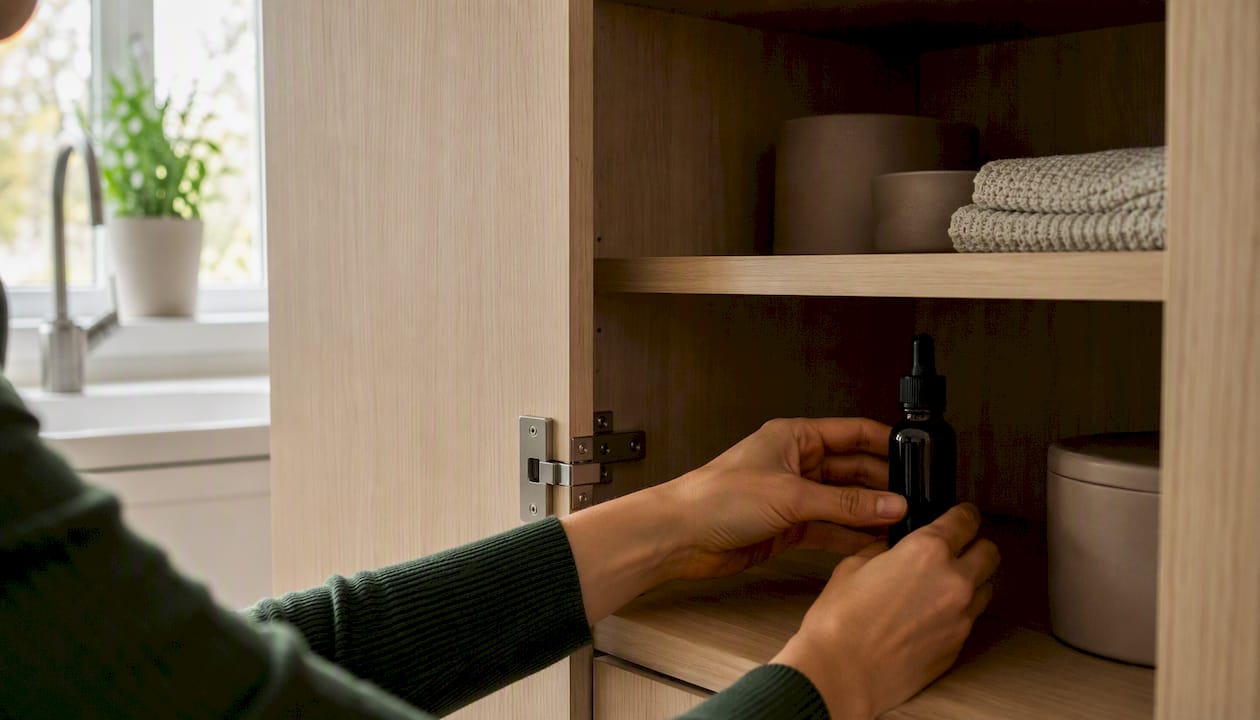
CBD degrades when exposed to heat, light, and humidity. Products should be stored away from direct sunlight, at a stable room temperature, in their original airtight packaging. Also retain the corresponding Certificates of Authenticity (COAs): these serve as proof of conformity for the purchased batch. All CBD products must be kept out of reach of children.
When to consult a healthcare professional
Consult a doctor or pharmacist before using CBD if you are taking chronic medication, are pregnant or breastfeeding, or have a history of liver problems. If you experience any side effects (excessive drowsiness, persistent digestive problems, or changes in the effectiveness of a medication), stop using the product and consult a doctor immediately.
Key points
CBD is not psychotropic in the clinical and regulatory sense: its mechanism of action, its legal framework in France and the checks to be carried out before purchase allow for informed and safe use.
| Point | Details |
|---|---|
| No psychotropic effect | CBD does not cause intoxication or addiction; its low affinity for CB1 (Ki ≈ 4,350 nm) explains this. |
| Non-intoxicating psychoactive effects | Sedation and drowsiness remain possible; caution is advised when driving. |
| Legality in France (2026) | Flowers, resins and vapes are permitted; ingestible oils and CBD food products are prohibited (Novel Food). |
| Essential check | Demand a COA per batch (THC, heavy metals, solvents) before any purchase, regardless of the seller. |
| Thefrenchhempempire | Offers compliant CBD products with independent COA per batch, varietal traceability and THC ≤ 0.3% on finished product. |
Transparency as a prerequisite
The debate surrounding CBD suffers from a persistent paradox: the substance is legal, scientifically documented, and regulated, yet the market remains saturated with products whose compliance cannot be verified by the average consumer. The problem isn't CBD itself, but rather the opacity of certain supply chains.
What is striking, upon examining the available data, is that scientific uncertainties about the effects of CBD (acknowledged by the EFSA and European technical committees) coexist with marketing communications that often promise far more than the evidence supports. Consumers are thus caught between two extremes: complete distrust and credulity. The rational response is neither, but rather a demand for documented traceability.
The French regulations of 2026, by prohibiting CBD-infused food products without Novel Food approval, send a clear message: tolerance for poorly documented products is decreasing. Sellers who publish their Certificates of Analysis (COA) for each batch, specify the varietal origin, and detail their extraction method are not only complying with the law; they are enabling consumers to make informed choices. This demand for transparency should guide any purchase of CBD products, well before any promise of an effect.
Compliant, traceable and verifiable CBD products
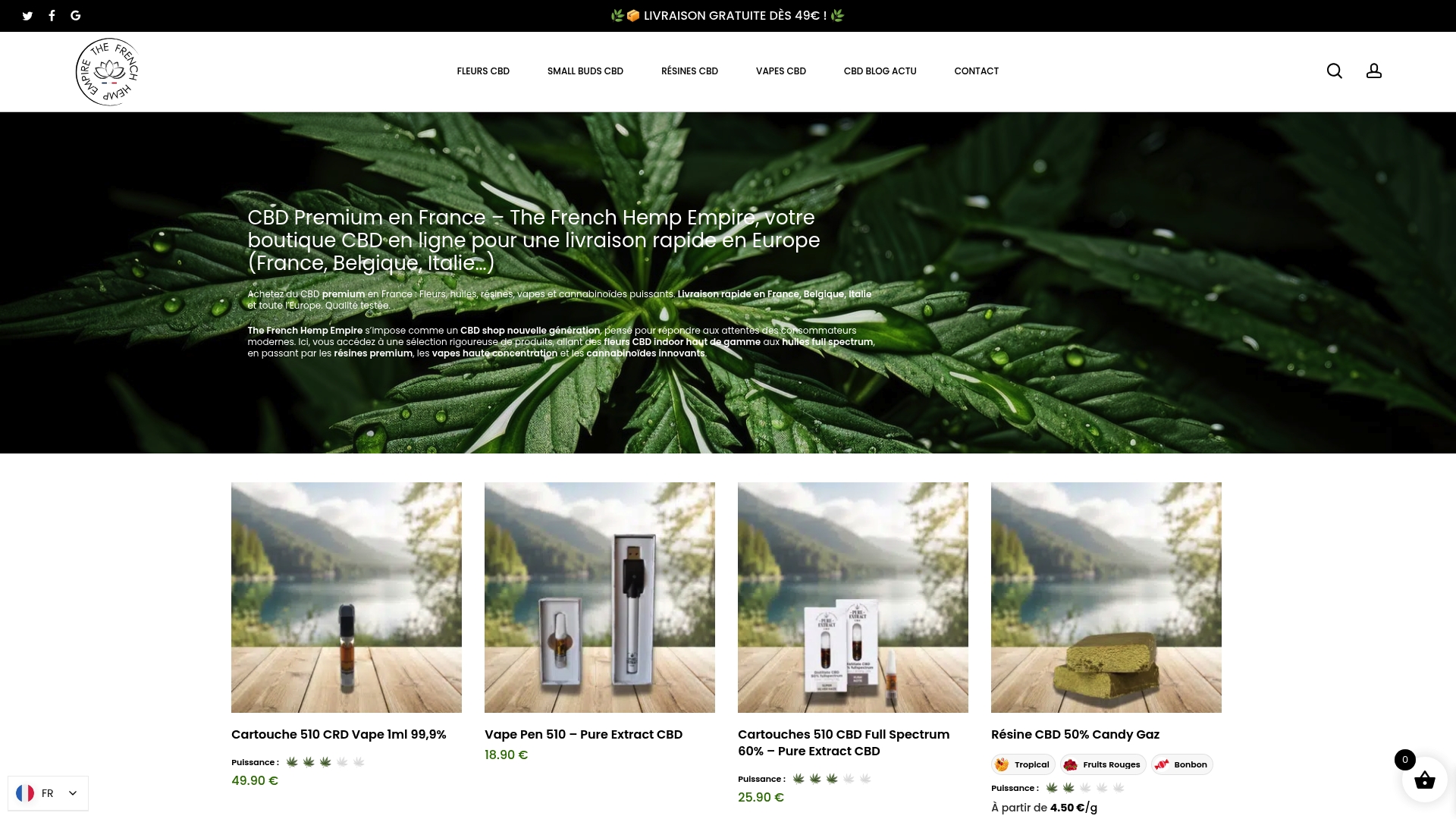
Thefrenchhempempire offers a range of premium CBD flowers, CBD resins , and CBD vapes , each batch accompanied by an independent Certificate of Analysis. The THC content is verified in the finished product, the varietal origin is documented, and the analyses cover heavy metals and residual solvents. All products comply with the legal THC limit of ≤ 0.3% and meet the French and European regulatory framework in effect in 2026, including restrictions on CBD-containing food products. For any questions regarding product compliance or the interpretation of a Certificate of Analysis, customer service is available before and after purchase. Visit the shop for product information sheets, lab analyses, and educational resources on the regulations.
Official sources and references for further reading
| Source | Main use |
|---|---|
| Drugs.gouv.fr — Pharmacology of CBD | Reference pharmacological data (CB1 affinity, mechanisms of action) |
| Drugs.gouv.fr — CBD | Official summary: CBD/THC distinction, lack of addiction, precautions |
| Inserm — CBD: what impact on health? | Neuromodulatory effects, clinical data, action on 5-HT1A |
| EFSA — Novel Food CBD | European food regulatory status, safety uncertainties |
| Ministry of Agriculture — CBD Regulations | French position 2026, strengthened controls, product categories |
| Council of State — Annulment of the CBD flower decree | Case law on the legality of flowers/leaves with THC ≤ 0.3% |
| PMC — Clinical Review of CBD | Summary of clinical studies (anxiety, pain, sleep) and methodological limitations |
| European Commission — CBD Toxicology | European toxicological uncertainties, Novel Food assessment |