


Cannabidiol (CBD) is a non-psychoactive cannabinoid known for its calming properties on the nervous system, particularly in managing chronic stress. Unlike THC, it does not produce any euphoric effects. Its action is based on the endocannabinoid system, a network of biological receptors that regulates mood, the stress response, and emotional balance. Recent research confirms measurable anxiolytic effects, placing CBD among the most studied natural solutions for chronic stress, provided its mechanisms and limitations are understood.
How does CBD act on chronic stress at a biological level?
CBD acts primarily through the endocannabinoid system, modulating CB1 and CB2 receptors in the brain and immune system. This modulation directly influences the production of neurotransmitters involved in emotional regulation. The result is a gradual reduction in physiological stress responses, such as muscle tension and increased heart rate.
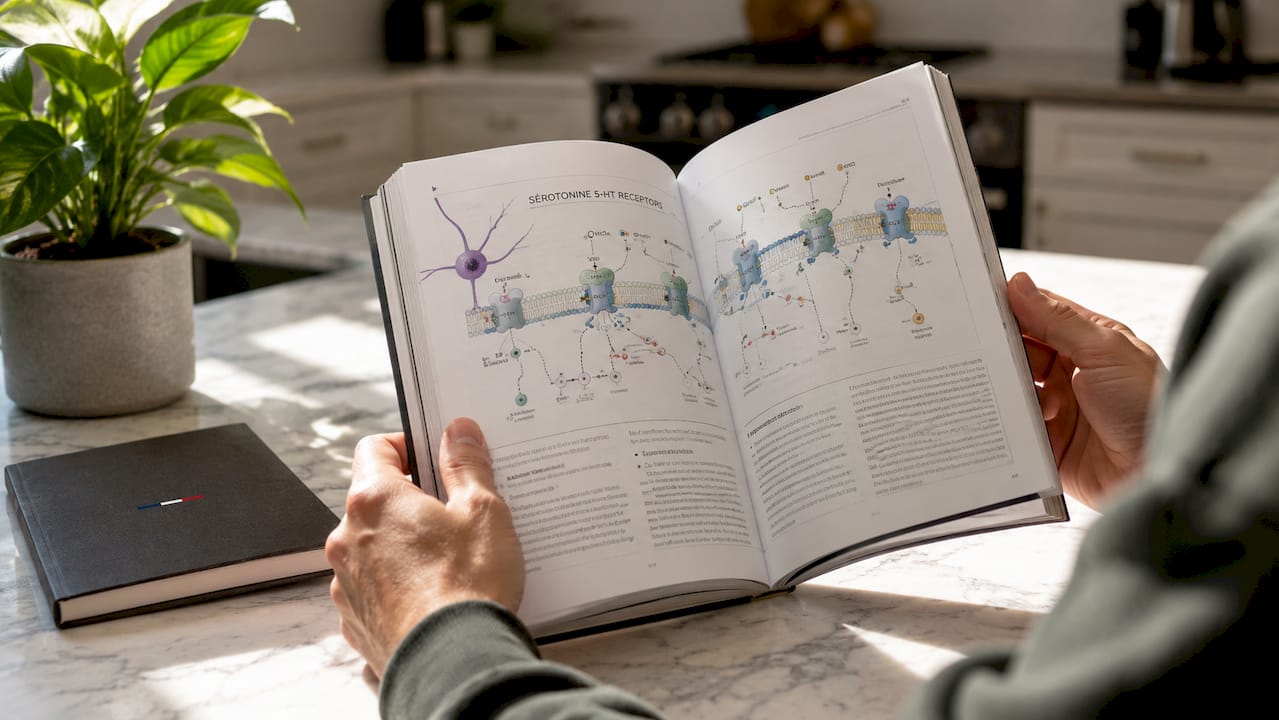
More specifically, CBD interacts with 5-HT1A receptors, the same receptors targeted by some SSRI antidepressants. This interaction stimulates serotonergic transmission, which helps stabilize mood and alleviate anxiety. CBD also modulates the GABAergic system, a natural inhibitory mechanism in the brain that curbs excessive stress responses.
The form of the product plays a crucial role in the intensity of its effects. Full-spectrum products, which contain terpenes and minor cannabinoids in addition to CBD, produce an "entourage" effect that amplifies emotional regulation. Isolated CBD, on the other hand, acts alone and in a more predictable way, but is generally less potent for chronic stress.
Pro tip: Opt for a full-spectrum extract if your goal is long-term management of chronic stress. The synergy between cannabinoids and terpenes significantly enhances the anxiolytic effect.
What dosages and forms of CBD are recommended for chronic stress?
Dosage is the most crucial factor in CBD's effectiveness against stress. Clinical studies show that a dose of 300 mg is often optimal for observing measurable anxiolytic effects, while daily maintenance use is generally between 25 and 150 mg. A dose of 100 mg is often insufficient for long-standing stress.
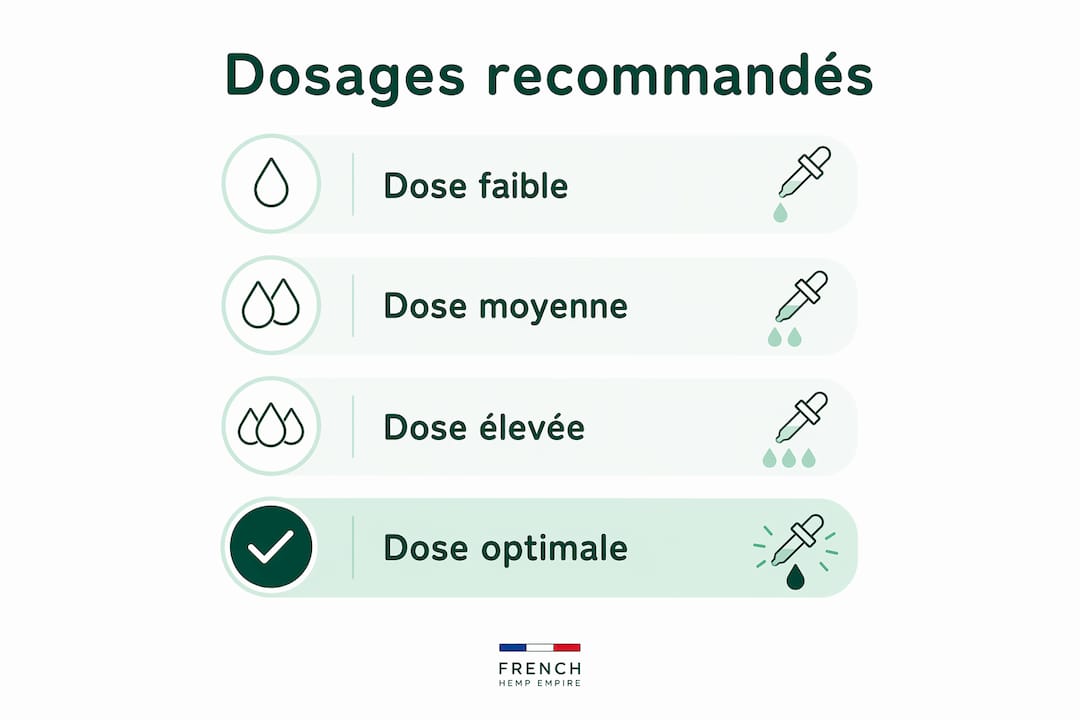
Double-blind clinical trials have also shown that an oral dose of 400 mg significantly reduces social anxiety compared to a placebo. Conversely, very high doses such as 900 mg can produce counterproductive effects, including excessive sedation. The rule is therefore to start low, increase gradually, and stabilize the dosage over several days before evaluating the results.
Comparison of CBD forms according to onset of action
| Shape | Action deadline | Recommended use |
|---|---|---|
| Sublingual oil | 15–45 minutes | Daily use, precise dosage |
| Capsules | 45–90 minutes | Regular routine, discretion |
| Infusion | 30–60 minutes | Soothing evening ritual |
| Vape / e-liquid | 5–15 minutes | Rapid relief in crisis situations |
The main forms available and their characteristics:
- Sublingual oil : rapid absorption under the tongue, easily adjustable dosage, ideal for beginners.
- Capsules : fixed and convenient dosage, but longer onset of action due to digestive passage.
- Infusion : gentle and gradual effect, suitable for an evening routine to promote relaxation.
- Vape : very rapid pulmonary absorption, useful during acute stress peaks, but requires special attention to product quality.
What precautions should you be aware of before using CBD for stress?
CBD has an overall favorable safety profile, but its use without precautions exposes users to real risks. The most frequent side effects are drowsiness, dry mouth, and mild digestive upset. These effects remain rare at moderate doses, but reports to French poison control centers have increased since 2024, mainly due to dosage errors or mislabeled products.
The most serious risk concerns drug interactions. CBD is a liver enzyme inhibitor: it slows the metabolism of certain medications, which can increase their blood concentration and amplify their side effects. Anyone undergoing chronic treatment, particularly with anticoagulants, antiepileptics, or antidepressants, should consult a doctor before starting CBD.
Another important point to consider is the THC content. Products containing more than 0.3% THC are illegal in France and can worsen anxiety instead of alleviating it. Checking independent laboratory analyses before any purchase is a non-negotiable precaution.
Key points to remember:
- Never exceed 900 mg per dose, beyond which the effects become counterproductive.
- Avoid products without a Certificate of Analysis (COA) issued by a third-party laboratory.
- Inform a healthcare professional of any current medication treatment before use.
- Clearly distinguish legal CBD from cannabis with high THC content, which have opposite effects.
- Buy only from sellers who are transparent about the origin and composition of their products.
Pro tip: Check out CBD safety guide to identify the most common dosage errors and legal compliance criteria to verify before making any purchase.
How to integrate CBD into a chronic stress management routine?
CBD works in synergy with the fundamental pillars of well-being, but it does not replace them. Without sufficient sleep, a balanced diet, and regular physical activity, its effects remain limited. This reality is often underestimated by people who expect CBD to be an immediate and standalone solution.
Effective integration relies on a structured method. Here is a recommended step-by-step approach:
- Define a clear objective : underlying daily stress, situational anxiety spikes, or stress-related sleep disturbances. Each objective will guide the choice of form and dosage.
- Start with a low dose : begin with 25 mg per day in sublingual oil in the morning or evening, depending on when stress is most present.
- Stabilize the dosage over 3 to 5 days : a regular routine over several days is necessary to objectively assess the effects. Avoid changing the dose or form too quickly.
- Observe objective indicators : sleep quality, frequency of anxious thoughts, muscle tension upon waking. These concrete markers avoid erroneous subjective assessments.
- Adjust gradually : if no effect is noticeable after 5 days, increase the dose in increments of 10 to 25 mg until the desired effect is achieved, without exceeding the recommended thresholds.
- Choose a reliable product : opt for CBD with documented traceability, accessible lab analyses, and a THC content below 0.3%. Thefrenchhempempire publishes the analysis certificates for each product to guarantee this transparency.
- Maintaining the foundations of well-being : CBD works best when used as part of a consistent lifestyle. A daily 30-minute walk, for example, enhances its effects on cortisol regulation.
The distinction between CBD isolate and full spectrum remains a key factor at this stage. For a maintenance routine, a low daily dose of full spectrum CBD is generally more suitable than a high single dose of CBD isolate.
Key points
CBD reduces the symptoms of chronic stress by modulating the endocannabinoid system, but its effectiveness depends on the dosage, the form chosen, and a suitable lifestyle.
| Point | Details |
|---|---|
| Mechanism of action | CBD modulates CB1, CB2 and 5-HT1A receptors to reduce stress responses. |
| Optimal dosage | Between 25 and 300 mg depending on the use; 900 mg and above produces counterproductive effects. |
| adapted form | Sublingual oil is suitable for daily use; vaping works within minutes for attacks. |
| Essential precautions | Check the THC level (less than 0.3%) and consult a doctor in case of chronic treatment. |
| Daily integration | Stabilize the dosage over 3 to 5 days and observe objective indicators before any adjustment. |
What I've observed after years of following the CBD market
CBD is a valuable tool for managing chronic stress. However, the way it is presented in some commercial spaces creates unrealistic expectations that hinder its proper adoption.
What I regularly observe is people who abandon CBD after three days because they "didn't feel anything." They had chosen a 25 mg CBD isolate, without changing their sleep schedule or diet. CBD doesn't compensate for a magnesium deficiency or five nights of five hours of sleep. It amplifies an existing balance; it doesn't create it.
Another common mistake is underestimating the importance of the product itself. CBD without a certificate of analysis, purchased from a general marketplace, may contain traces of THC exceeding the legal limit or other contaminants. These products will not relieve stress; they may even worsen it. Choosing high-quality CBD with documented traceability is not a luxury; it is a fundamental requirement for making the process worthwhile.
My conviction, after reviewing numerous testimonials, is that full-spectrum CBD, integrated into a stable routine and combined with solid wellness foundations, produces consistent and measurable results. Patience and a methodical approach make all the difference.
— Vanessa
The French Hemp Empire products to support stress management
Thefrenchhempempire offers a range of legal, traceable CBD products that comply with European regulations, adapted to different consumer profiles.
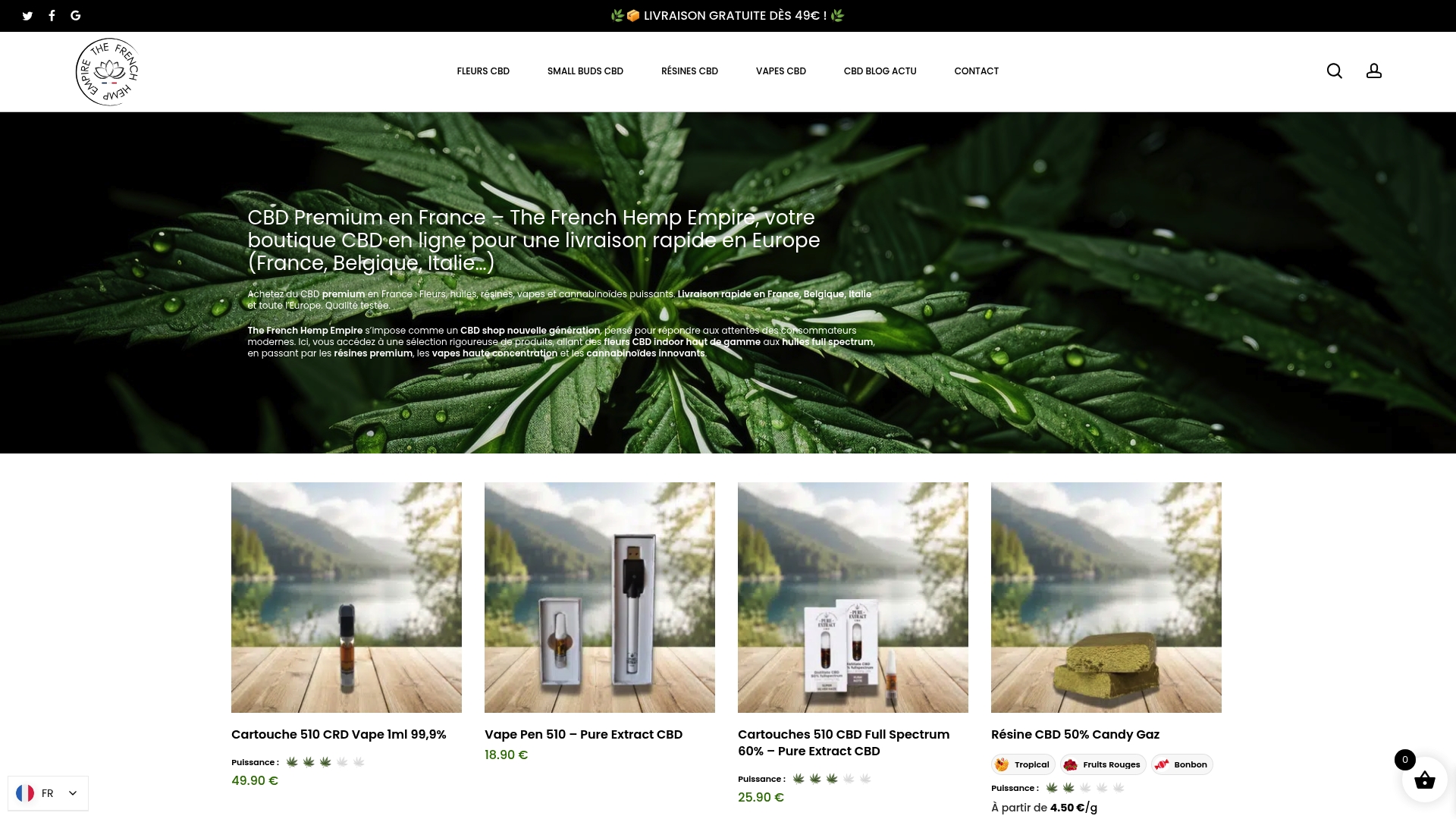
Thefrenchhempempire's premium CBD flowers are sourced from controlled cultivation, with independent lab analyses available for each batch. For rapid absorption during stress peaks, the CBD vapes offer an onset of action within 5 to 15 minutes, with full-spectrum formulations available. Every product strictly adheres to the legal THC limit of 0.3%, ensuring compliant use without legal risk. Discreet and fast delivery is available throughout Europe.
Frequently Asked Questions
Is CBD effective against chronic stress?
CBD reduces the symptoms of chronic stress by modulating serotonergic receptors and the endocannabinoid system. Its effectiveness depends on the dosage, the regularity of use, and the quality of the product chosen.
What dose of CBD should I take for stress?
Maintenance use typically ranges from 25 to 150 mg per day. A dose of 300 mg is often identified as optimal for measurable anxiolytic effects in clinical studies.
What is the difference between isolated and full-spectrum CBD for stress?
Full-spectrum CBD contains terpenes and minor cannabinoids that amplify its anxiolytic effect through the entourage effect. Isolated CBD acts on its own, more predictably but is generally less potent for chronic stress.
Can CBD interact with medications?
Yes. CBD inhibits certain liver enzymes and can increase the blood concentration of medications such as anticoagulants or antiepileptics. A medical consultation is essential in the case of chronic treatment.
How can you tell if a CBD product is legal and safe?
A CBD product legal in France contains less than 0.3% THC and is accompanied by a certificate of analysis issued by an independent laboratory. Thefrenchhempempire publishes these analyses for its entire range.
Recommendation
- CBD: Definition, effects, legality, and a complete guide to cannabidiol – The French Hemp Empire
- Precautions for highly concentrated CBD: 2026 safety guide
- CBD vs THC: Differences, effects, legality, and points to consider – The French Hemp Empire
- Hemp, cannabis, CBD and THC: differences, legality and explanations – The French Hemp Empire


