Yes, you can cook with CBD oil, provided you add it at the right time and respect a specific temperature limit. Cooking with CBD oil works best when added off the heat or at the very end of preparation, never in a hot pan or when deep-frying.
Three rules are enough to get started without ruining the product:
- Never exceed 160 to 170 °C, the threshold beyond which the degradation of cannabinoids becomes significant ;
- Add the oil at the end of cooking, once the pan or dish has been removed from the heat;
- Start with a microdose of 2 to 5 mg per serving, always diluted in a fat to promote absorption.
Pro tip: always pour CBD oil onto a lukewarm preparation, never a steaming one. Touching your hand above the dish is the best way to gauge the temperature if you don't have a thermometer handy.
Key points
Cooking with CBD oil works when the temperature remains below 160 to 170 °C and the oil is added off the heat, in a fat.
| Point | Details |
|---|---|
| Respect the thermal limit | Never exceed 160 to 170 °C, otherwise cannabinoids and terpenes will be degraded. |
| Add off the heat | Incorporate the oil at the end of cooking or into a lukewarm preparation, never during active cooking. |
| Dosage gradually | Start at 2 to 5 mg per serving before increasing to a standard dosage. |
| Check the certificate of analysis | Demand a COA, clear traceability and a compliant THC level before any purchase. |
| Choose a traceable oil | The French Hemp Empire offers laboratory-analyzed oils and flowers, suitable for controlled culinary use. |
This article provides general information and is not a substitute for professional medical advice. Consult a qualified healthcare professional about your specific situation before taking any action based on this content.
Table of Contents
- Why cook with CBD oil rather than taking it pure?
- What is the maximum temperature for cooking with CBD oil?
- How to make homemade CBD-infused oil?
- How to dose CBD oil in a recipe according to one's profile?
- Three simple recipes to incorporate CBD oil into your daily routine
- What quality guarantees should you look for before cooking with CBD?
- Sources
Why cook with CBD oil rather than taking it pure?
The taste and pharmacological effects of CBD do not follow the same timeline. When taken orally, CBD passes through the liver before circulating in the body, which delays and prolongs its action: the effects generally appear between 45 and 90 minutes after ingestion, compared to just a few minutes under the tongue.
This slowness is not a flaw; it's a characteristic of the endocannabinoid system, which regulates this gradual absorption. Since CBD is lipophilic, it dissolves much better in fat than in water, which explains why oil or butter remain the best culinary carriers.
In terms of taste, CBD oil has a grassy, sometimes slightly bitter flavor that blends naturally with:
- Salad dressings with olive oil and lemon;
- Hot drinks made with plant-based milk or cocoa;
- Dark chocolate desserts, whose bitterness masks that of CBD.
What is the maximum temperature for cooking with CBD oil?
The temperature range is narrower than you might think. CBD oil is best stored below 60°C, while prolonged exposure to high temperatures leads to a significant loss of cannabinoids and terpenes. Above a critical temperature, destruction becomes almost total, and cooking at this temperature is tantamount to throwing CBD down the drain.
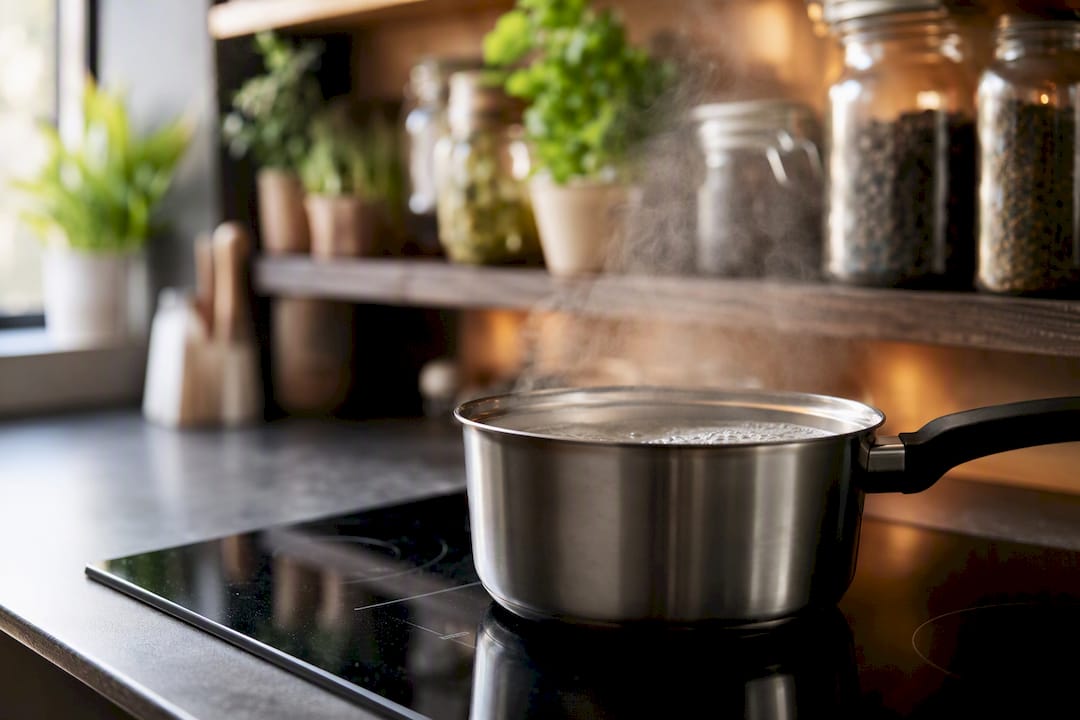
An analysis of the thermal effects of cannabinoids confirms that excessive heat alters both the efficacy of CBD and its aromatic profile, which justifies chefs' preference for low-temperature cooking and adding off the heat.
In practical terms, this means avoiding deep frying and prolonged cooking in a high-heat oven. The smoke point also varies depending on the carrier oil chosen: virgin olive oil smokes at around 190°C, refined coconut oil slightly higher, while hemp oil, being more fragile, does not tolerate high temperatures well.
Before buying CBD oil intended for cooking, a few checks are necessary:
- Require an independent, dated and legible Certificate of Analysis (COA);
- Check the extraction method used (preferably supercritical CO2);
- Check that the THC level remains within the French legal limit ;
- Ensuring complete traceability, from cultivation to bottling.
How to make homemade CBD-infused oil?
Making your own infused oil allows for precise control of the concentration and long-term savings. The method involves three steps, each with its own technical parameters.
-
Decarboxylation. The raw CBDA present in the flower must be gently heated to transform into active CBD. The most reliable method is to bake the flowers in the oven at 110-120°C for 30-45 minutes, spread out on a baking sheet lined with parchment paper, ensuring that no areas brown.
-
Infusion in a carrier oil. Once decarboxylated, the flowers are infused in a neutral oil (light olive, coconut, or MCT) using a double boiler or sous vide cooking method, at a controlled temperature between 70 and 85°C for two to four hours. A common ratio is around 7 to 10 grams of flowers to 250 ml of oil, which provides an approximate concentration to be adjusted according to the initial CBD level.
-
Filtration and packaging. Filter through a fine cheesecloth or a tightly woven sieve to remove any plant residue, then pour into a tinted glass bottle. Label with the date and an estimated dosage per milliliter or per drop, based on the CBD content of the flowers used.
Pro tip: Low-temperature sous-vide cooking remains the most consistent method for preserving terpenes, provided you have the right equipment. If not, a water bath works very well as long as the thermometer stays below 85°C.
Controlled quality flowers, such as premium CBD flowers that are traced and lab-tested, give a more predictable infusion than a product of uncertain origin.
How to dose CBD oil in a recipe according to one's profile?
The timing of the addition is almost as important as the quantity. For cold preparations like salad dressings, CBD oil is whisked directly into the mustard and vinegar. For warm dishes, it should be added once the pan has been removed from the heat, never onto a still-hot pan, where the surface area accelerates degradation.
The dosage depends mainly on the consumer's experience and the concentration of the oil used:
These conversions remain approximate, as the volume of a drop varies depending on the bottle and the viscosity of the carrier oil. It's always best to start at the lower end of the range and adjust as you go.
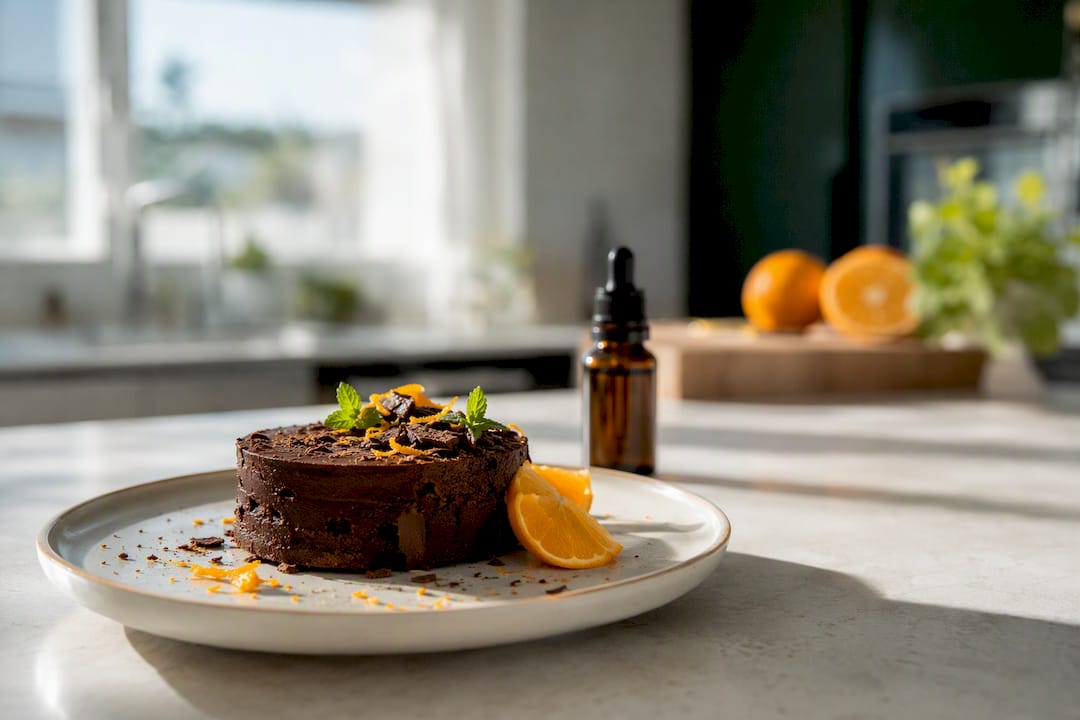
In terms of pairings, dark chocolate and citrus fruits remain the most reliable allies for CBD: their inherent flavor intensity absorbs the herbaceous bitterness rather than artificially masking it. Some chefs even deliberately play on this contrast, combining the oil with orange zest or high-cocoa, rather than trying to completely eliminate the vegetal note.
Three simple recipes to incorporate CBD oil into your daily routine
These three preparations respect all the thermal constraints mentioned above and remain accessible without specific equipment.
-
Soothing vinaigrette. Mix two tablespoons of olive oil, one teaspoon of mustard, a splash of balsamic vinegar, and 3 to 4 drops of 5% CBD oil. Whisk while cold, never heating the mixture: each serving then contains approximately 5 to 8 mg of CBD.
-
Soothing evening latte. Heat plant-based milk (oat or almond) to a maximum of 70°C, remove from heat, then whisk in a teaspoon of honey and 2 to 3 drops of CBD oil. The emulsion holds better if the milk contains some natural fat, which is why oat milk often produces a creamier texture than almond milk.
-
Chocolate mousse or glaze. Rather than incorporating the oil into the batter before baking, prepare a warm glaze (around 45°C maximum) and add the CBD oil just before coating the cooled dessert. This post-bake glaze technique protects the cannabinoids much better than adding them directly to a batter that will go in the oven.
In all three cases, the rule remains the same: CBD is added when the heat subsides, never while it is rising.
What quality guarantees should you look for before cooking with CBD?
The reliability of a CBD recipe depends entirely on the quality of the oil used beforehand. The French Hemp Empire documents each product with a certificate of analysis from an independent laboratory, traceability from cultivation to bottling, and strict control of the THC level in accordance with French regulations.
Some precautions remain valid for everyone, regardless of the brand chosen:
- Avoid combining with certain drugs metabolized by the liver, particularly anticoagulants, without prior medical advice;
- Pregnant or breastfeeding women should refrain from consuming any CBD, whether cooked or not;
- CBD products are not intended for minors, regardless of the form of consumption.
To delve deeper into these points, our cannabinoid safety guide details possible interactions and at-risk populations.
Vanessa's opinion on cooking with CBD
Culinary CBD rewards patience, not impatience. Test a microdose for several days before increasing, always check the Certificate of Analysis (COA) of your oil, and speak to a doctor if you are taking regular medication.
Where to find a reliable CBD oil for cooking
Not all CBD oils behave the same way when cooked, and an oil without a certificate of analysis makes it impossible to predict the dosage. The French Hemp Empire offers products tested in an independent laboratory, with complete traceability and compliant THC levels, preventing any unpleasant surprises once the pot is on the stove.
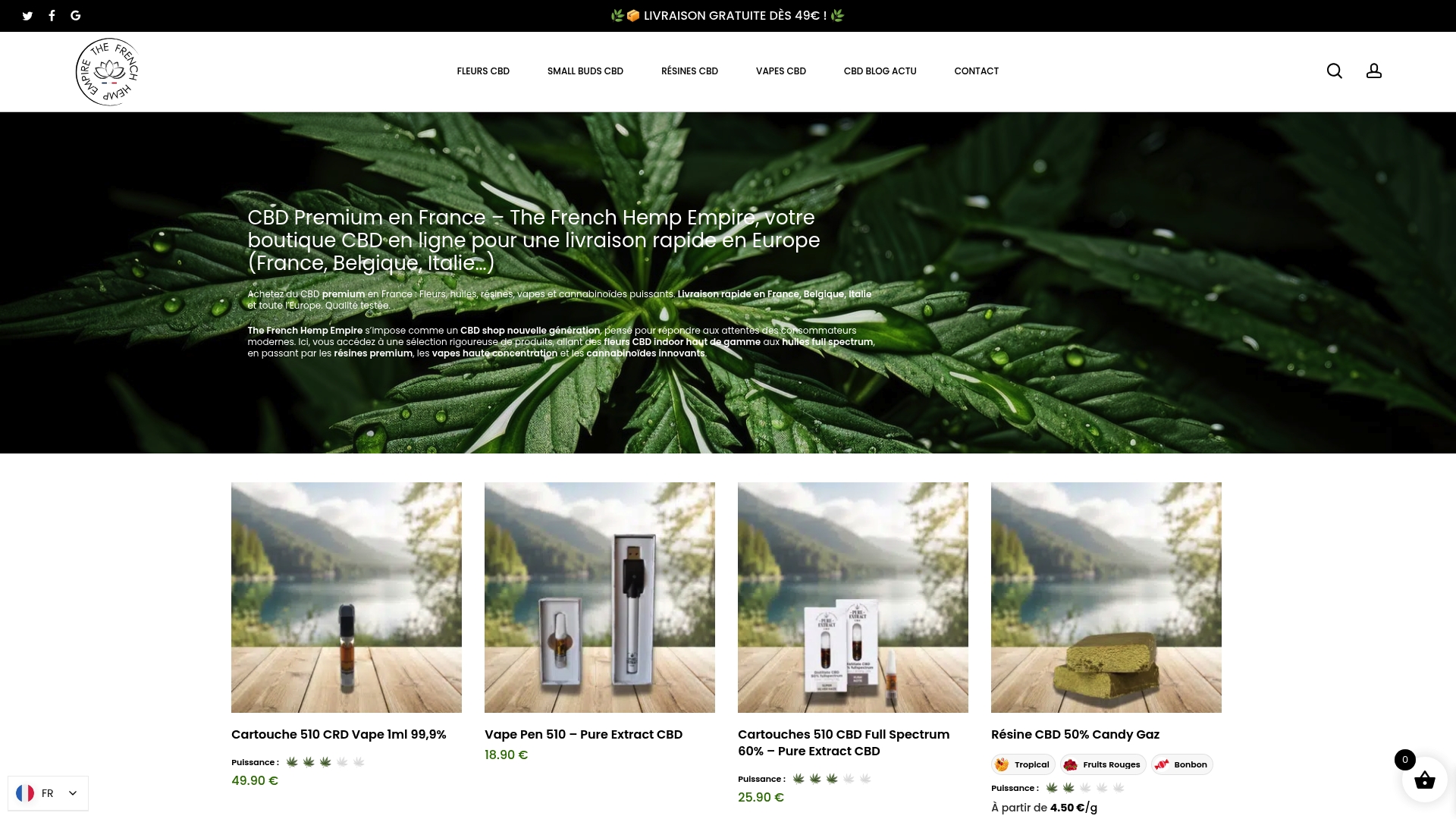
To prepare your own infused oil, traceable premium CBD flowers provide a reliable base, as you know the exact CBD content even before you begin decarboxylation. If you prefer a ready-made oil for cooking, first compare the different types of flowers and their effects to choose the concentration best suited to your culinary needs. Consult the product information sheets, check the certificate of analysis included with each item, and place your order with full knowledge of the facts.
Sources
- CBD Oil in Cooking: A Complete Guide + 20 Recipes
- The art of using CBD oil in cooking: a practical guide 2025
- PubMed article (thermal effects on cannabinoids)
- Legifrance — relevant regulatory article